The death of a worker while cleaning the inside of a tanker trailer has led to a proposed $276,176 fine against an Indiana truck stop. The business was cited by IN-OSHA for six serious violations and five willful violations (“Knowing” as they’re called in IN-OSHA’s plan). Here is the breakdown of the citations:
Safety Order 01 Item 001b
Type of Violation: Serious; $0
1910.140(c)(11)(i) The employer had not ensured that each horizontal lifeline was designed, installed, and used under the supervision of a qualified person:
Truck Wash – Employees were exposed to fall hazards while they worked on top of tanker trailers, both to begin washing and to enter the manway located on the top of the tanker trailer.
Safety Order 01 Item 002
Type of Violation: Serious; $2,100
29 CFR 1910.134(c)(1): A written respiratory protection program that included the provisions in 29 CFR 1910.134(c)(1)(i) – (ix) with worksite specific procedures was not established and implemented for required respirator use:
Truck Wash – Employees were assigned to wear tight-fitting half-face Moldex air-purifying respirators when they power washed the interior of tanker trailers.
The alleged violations below have been grouped because they involve similar or related hazards that may increase the potential for injury or illness.
Safety Order 01 Item 003a
Type of Violation: Serious; $7,000
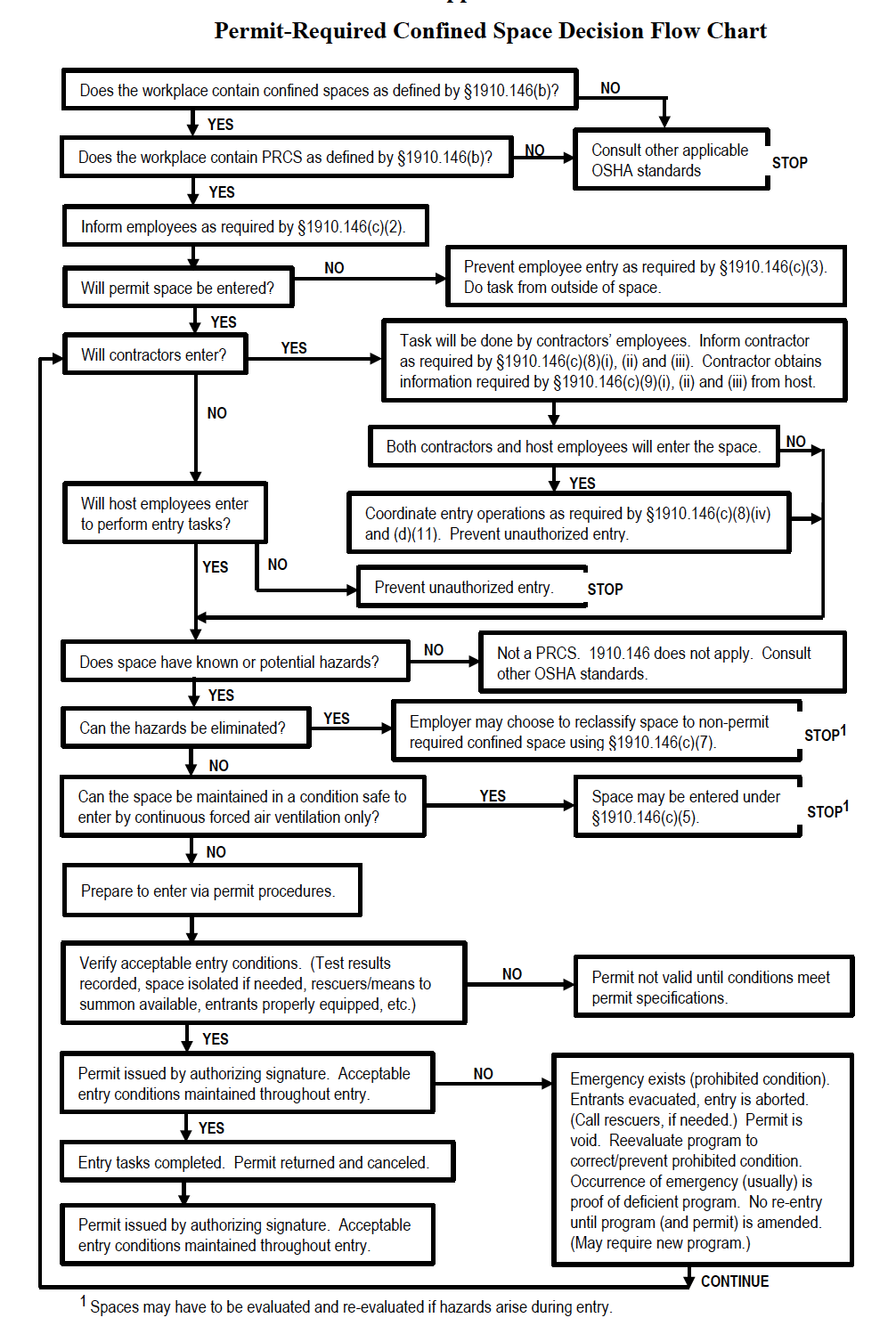
29 CFR 1910.146(c)(1): The employer did not evaluate the workplace to determine if any spaces were permit-required confined spaces:
Truck Wash – Employees entered tanker trailers, a permit-required confined space, to power wash the tankers’ interiors. The employer had not evaluated the workplace not identified the tanker trailers as permit-required confined spaces.
Safety Order 01 Item 003b
Type of Violation: Serious; $0.00
29 CFR 1910.146(c)(2): The employer did not inform exposed employees, by posting danger signs or by any other equally effective means, of the existence and location of and the danger posed by the permit spaces:
Truck Wash – Employees entered tanker trailers, a permit-required confined space, to power wash the tankers’ interiors. Employees were not informed that the tanker trailers were permit-required confined spaces.
Safety Order 01 Item 003c
Type of Violation: Serious; $0.00
29 CFR 1910.146(c)(4): When the employer decided that its employees would enter permit spaces, the employer did not develop and implement a written permit space entry program that complied with 29 CFR 1910.146:
Truck Wash – Employees entered tanker trailers, a permit-required confined space, to power wash the tankers’ interiors. A permit space entry program had not been developed prior to assigning employees to enter the tanker trailers.
The alleged violations below have been grouped because they involve similar or related hazards that may increase the potential for injury or illness.
Safety Order 02 Item 001a
Type of Violation: Knowing; $132,598
29 CFR 1910.146(d)(4): The employer did not provide the equipment specified in paragraphs (d)(4)(i)-(d)(4)(ix) of this section at no cost to employees, did not maintain that equipment properly, and/or did not ensure that employees use that equipment properly:
Truck Wash – Employees entered tanker trailers, a permit-required confined space, to power wash the tankers’ interiors. The employer had not provided air monitoring equipment, ventilating equipment nor rescue and emergency equipment for employee use while they worked inside this permit-required confined space.
Safety Order 02 Item 001b
Type of Violation: Knowing; $0.00
29 CFR 1910.146(d)(5): Under the permit-required confined space program required by 29 CFR
1910.146(c)(4), the employer did not evaluate permit space conditions per 29 CFR 1910.146(d)(5)(i-vi) when entry operations were conducted by testing conditions:
Truck Wash – Employees entered tanker trailers, a permit-required confined space, to power wash the tankers’ interiors. No testing was performed to determine the conditions inside the tanker trailer prior to entry and had not continued to monitor conditions during entry operations.
Safety Order 02 Item 001c
Type of Violation: Knowing; $0.00
29 CFR 1910.146(g)(1): The employer did not provide training so that all employees whose work was regulated by 29 CFR 1910.146 (permit-required confined spaces) acquired the understanding, knowledge, and skills necessary for the safe performance of the duties assigned under 29 CFR 1910.146:
Truck Wash – Employees entered tanker trailers, a permit-required confined space, to power wash the tankers’ interiors. Employees were not trained to recognize the tanker trailers were permit required-confined spaces, what the hazards of these spaces were, the procedures for safe entry, rescue and entrant/attendant duties related to the permit-required confined spaces.
The alleged violations below have been grouped because they involve similar or related hazards that may increase the potential for injury or illness.
Safety Order 02 Item 002a
Type of Violation: Knowing; $132,598
29 CFR 1910.146(d)(6): The employer did not provide at least one attendant outside the permit space into which entry was authorized for the duration of entry operations:
Truck Wash – Employees entered tanker trailers, a permit-required confined space, to power wash the tankers’ interiors. Employees worked alone inside the tanker trailer without any attendant in place while they were inside the permit-required confined space.
Safety Order 02 Item 002b
Type of Violation: Knowing; $0.00
29 CFR 1910.146(d)(9): The employer did not develop and implement procedures for summoning rescue and emergency services, for rescuing entrants from permit spaces, for providing necessary emergency services to rescued employees, and/or for preventing unauthorized personnel from attempting a rescue:
Truck Wash – Employees entered tanker trailers, a permit-required confined space, to power wash the tankers’ interiors. No rescue equipment was set up prior to entry, nor were employees trained in how to perform rescue or provide CPR/first aid.