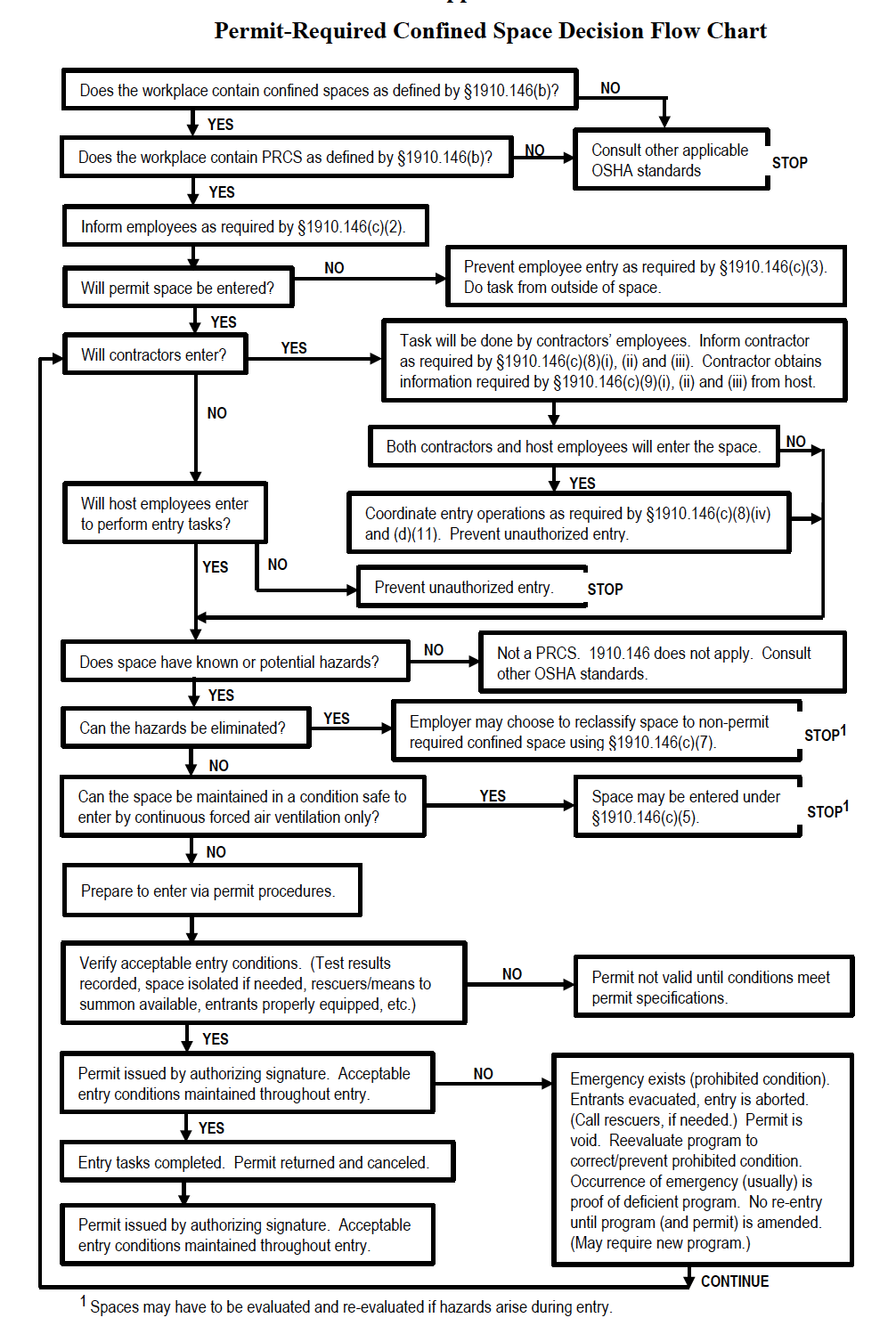
This week I was at one of my food clients who use anhydrous ammonia as their refrigerant. This client replaced two old condensers with one bigger condenser. This new condenser came with some interesting labels, which to safety professionals, made our “assessment” of this piece of equipment relatively easy… it is a Permit-Required Confined Space. Now, if we could only get the manufacturers to properly label their equipment so those customers not staffed with a safety professional can better manage the hazards associated with this type of equipment/machinery.
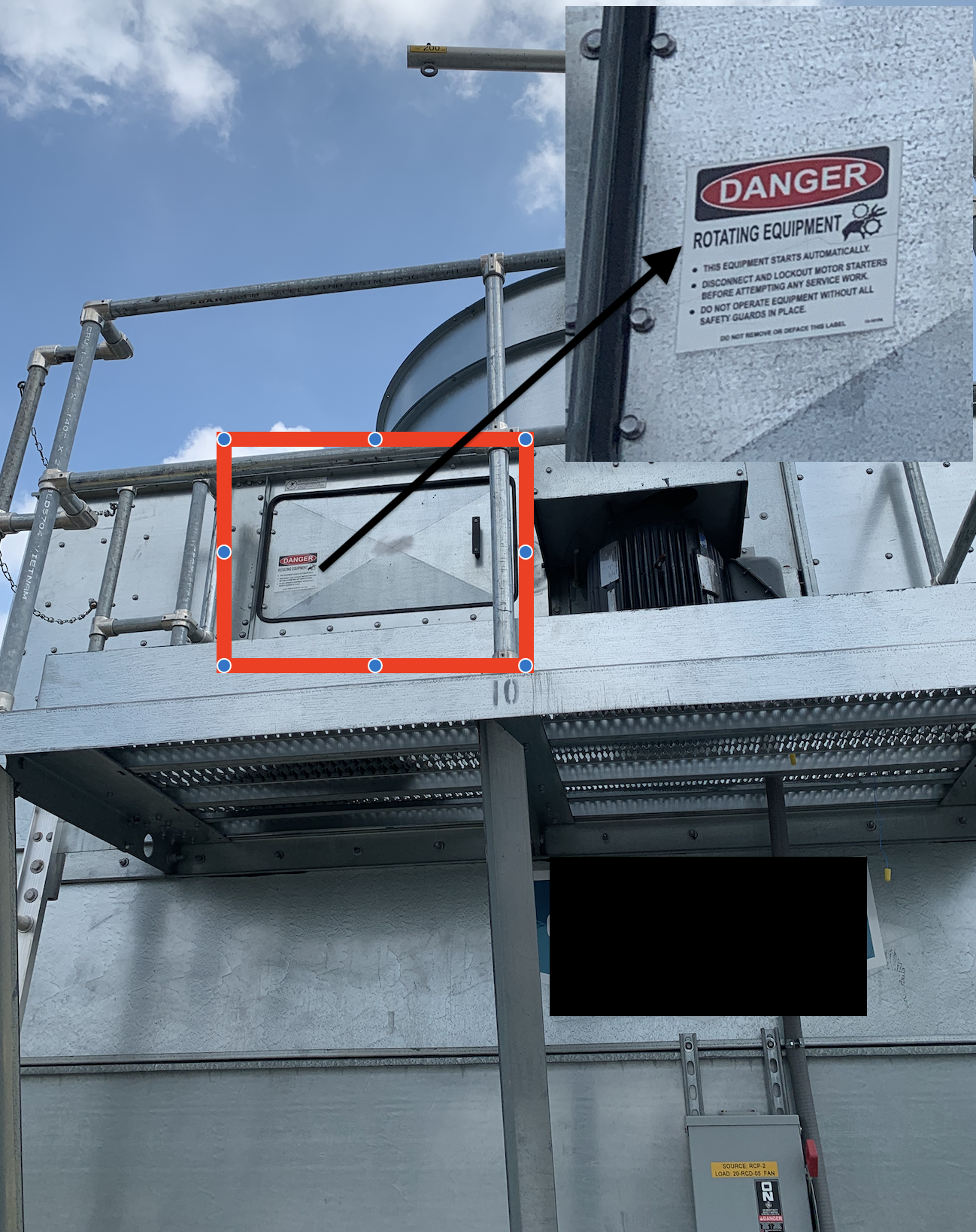
So how is the manufacturer declaring the “fan drive maintenance” space under the condenser’s fan a PRCS? Simple…
We can see the size of the opening and can undoubtedly claim that the 3’X3′ hatchway does indeed LIMIT entry and exit from the space. We can see the manufacturer is warning us that behind the door/hatch/cover is unguarded rotating equipment – thus, they placed a DANGER label on the door/hatch/cover. The walls and door of the space are the “guard” for this rotating equipment; however, once we have entered the space, we are NO LONGER PROTECTED from these hazards.
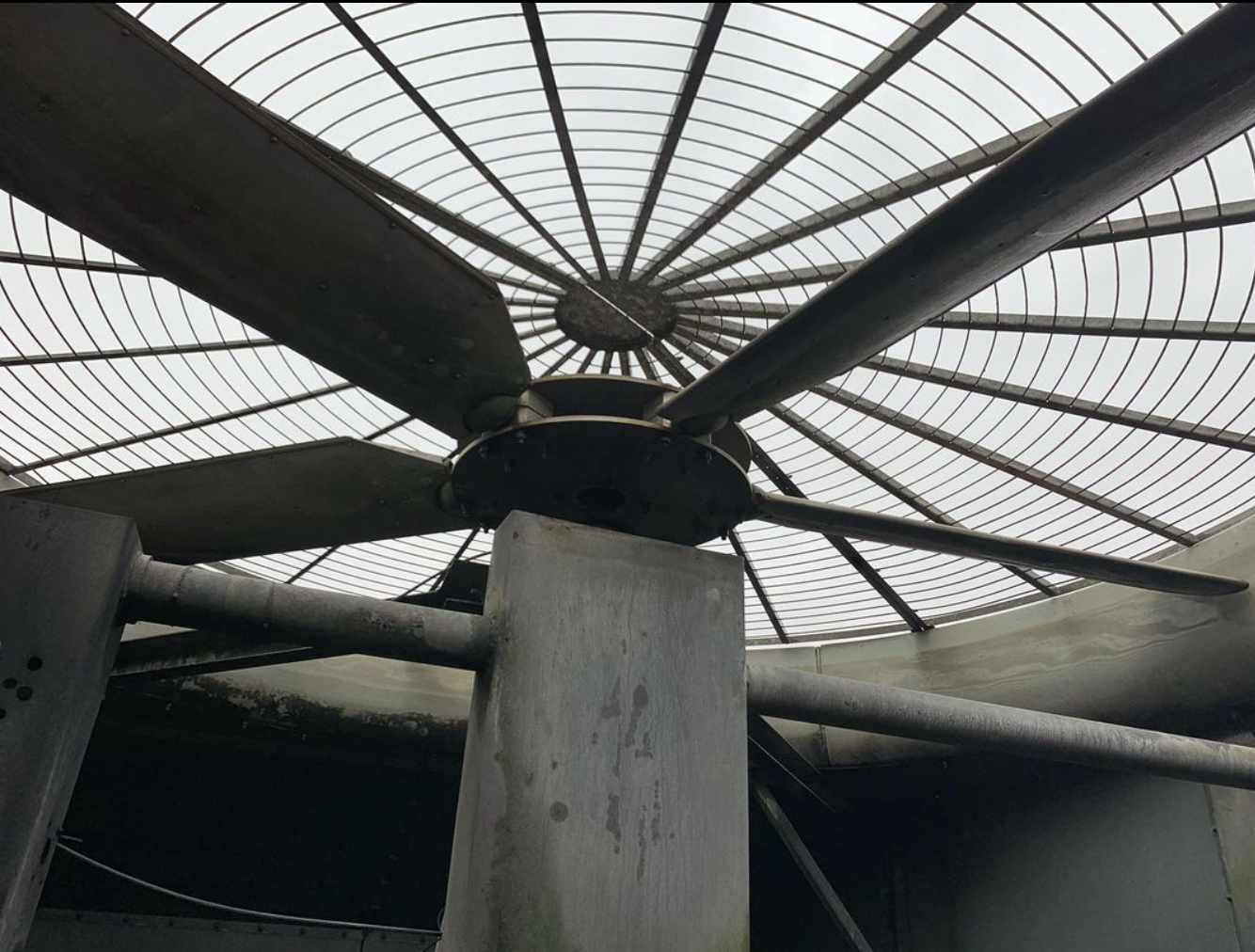
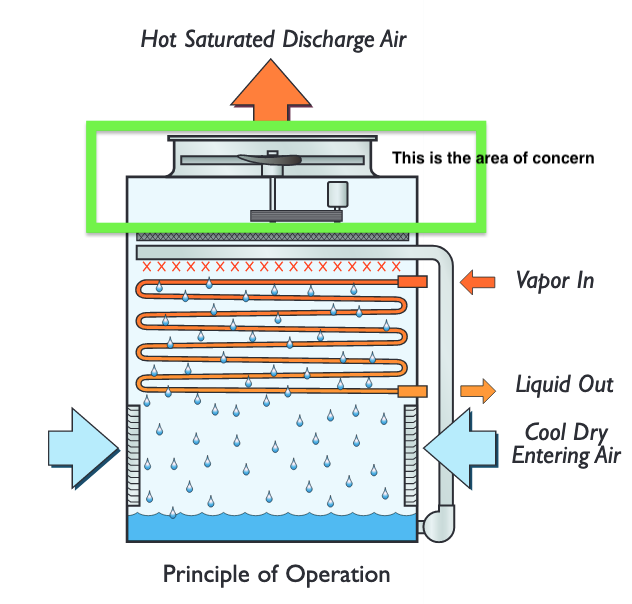
Below are two (2) pictures that are from a marketing brochure of one of the best condenser manufacturers. We can see the size of the opening and get a peek inside the space. They show us that once inside the space, we are exposed to power transmission devices (belts and vertical shafts) and the fan blades within the space. So with these two pictures, we can establish this space within the condenser has all three (3) CS characteristics, AND it has at least ONE (1) characteristic which makes the CS a PRCS (i.e., Recognized Serious Safety and Health Hazard).
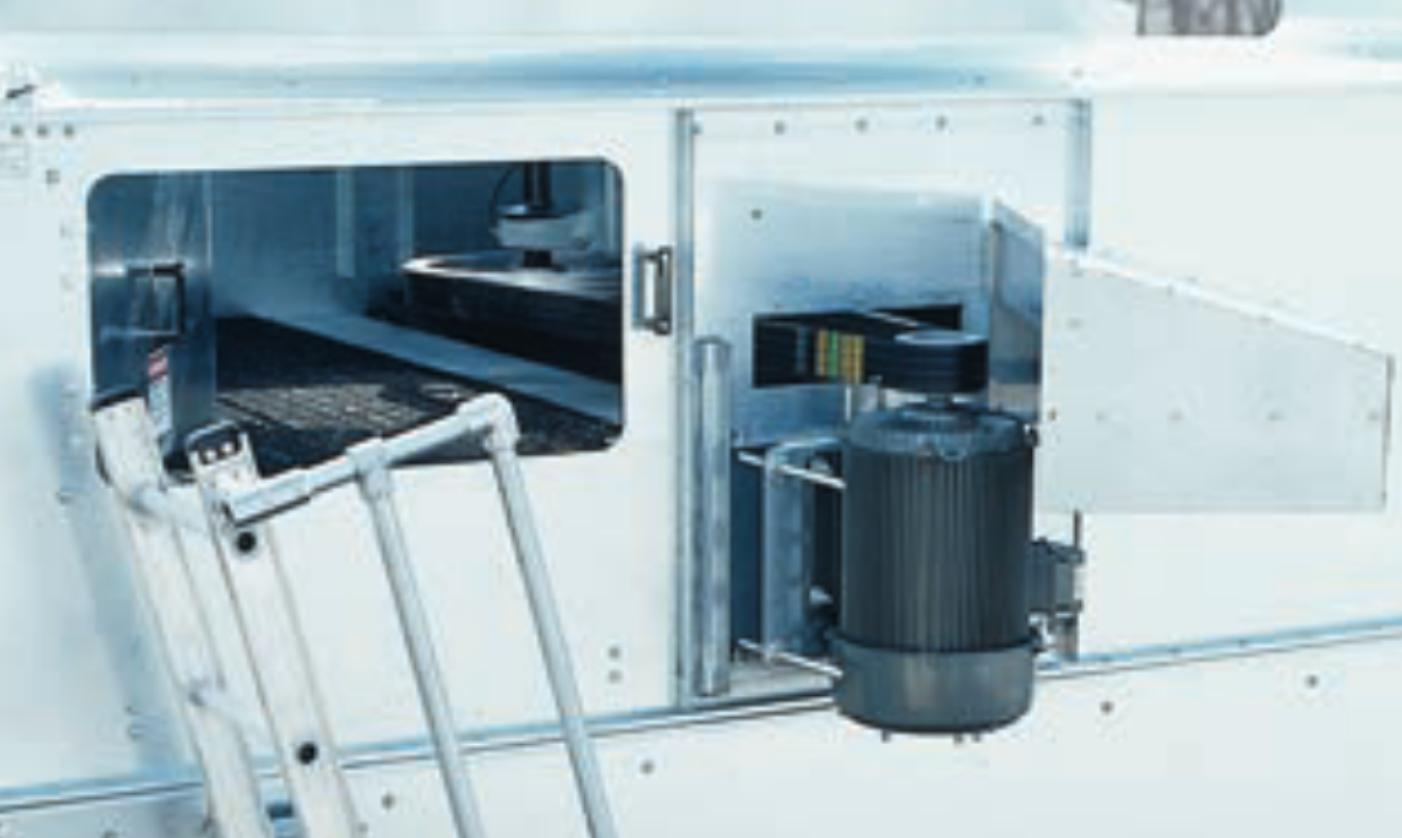
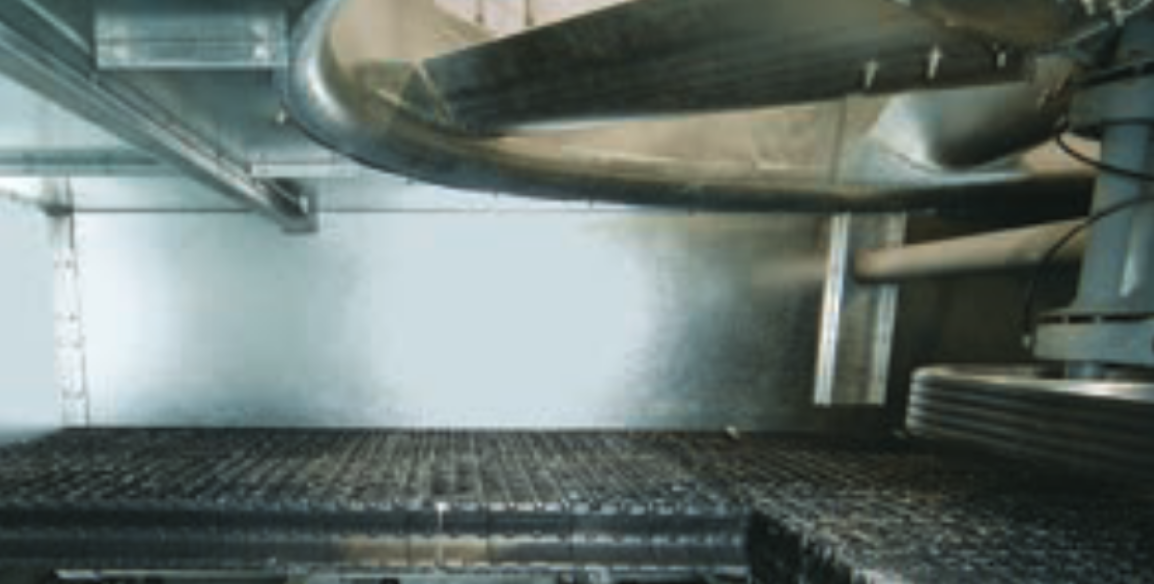
These pictures also cement the fact that this area of the condenser is indeed a PRCS, although one that might be easily “reclassified” by locking out the fan’s electrical energy source. This article will NOT debate the removal of the NH3 from the coils to have NO POTENTIAL for a HAZ ATM. In this article, I am only focused on this maintenance area for these new condensers.
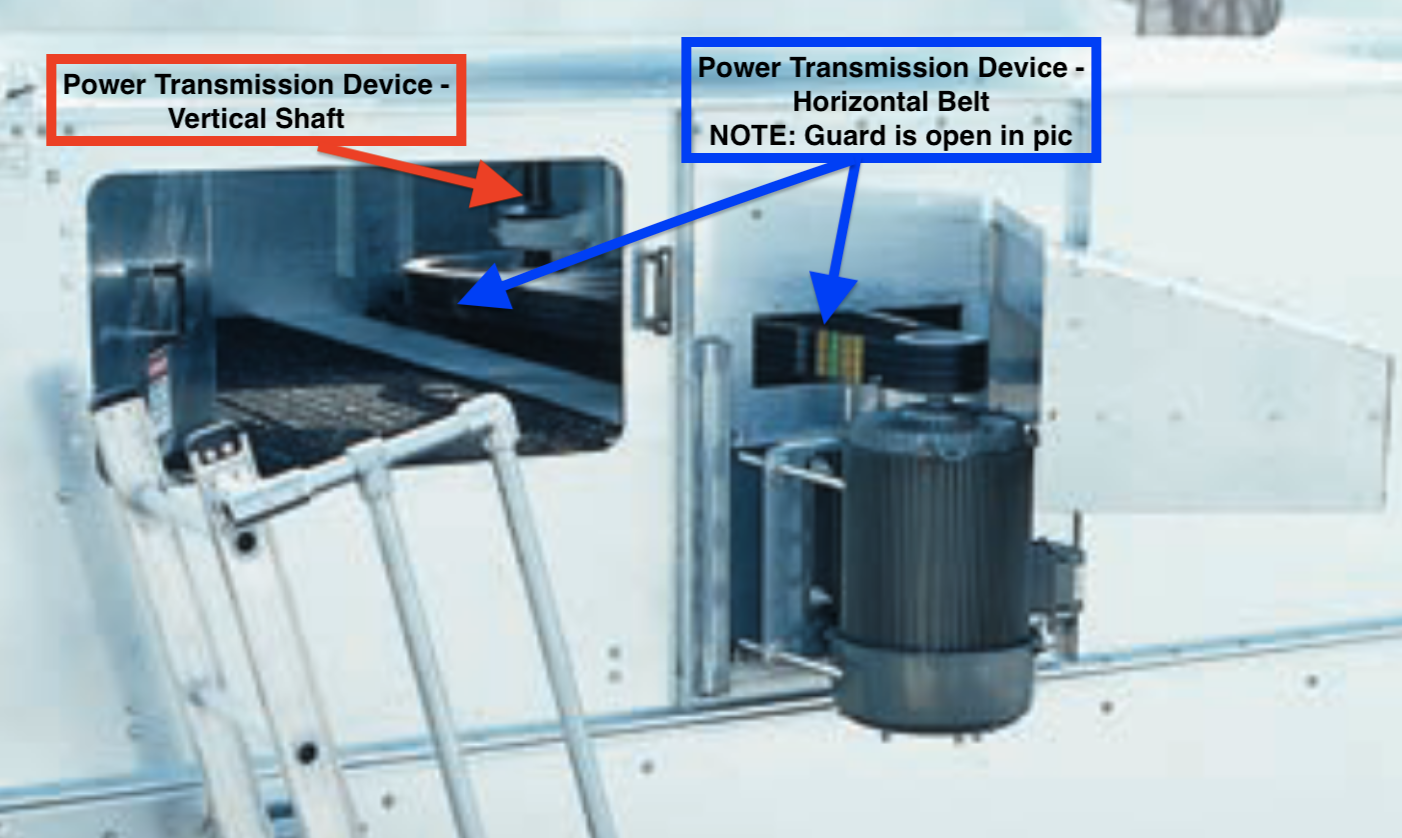
We can see from the manufacturer’s owner’s manual/brochure that this space is provided for maintenance on the fan.
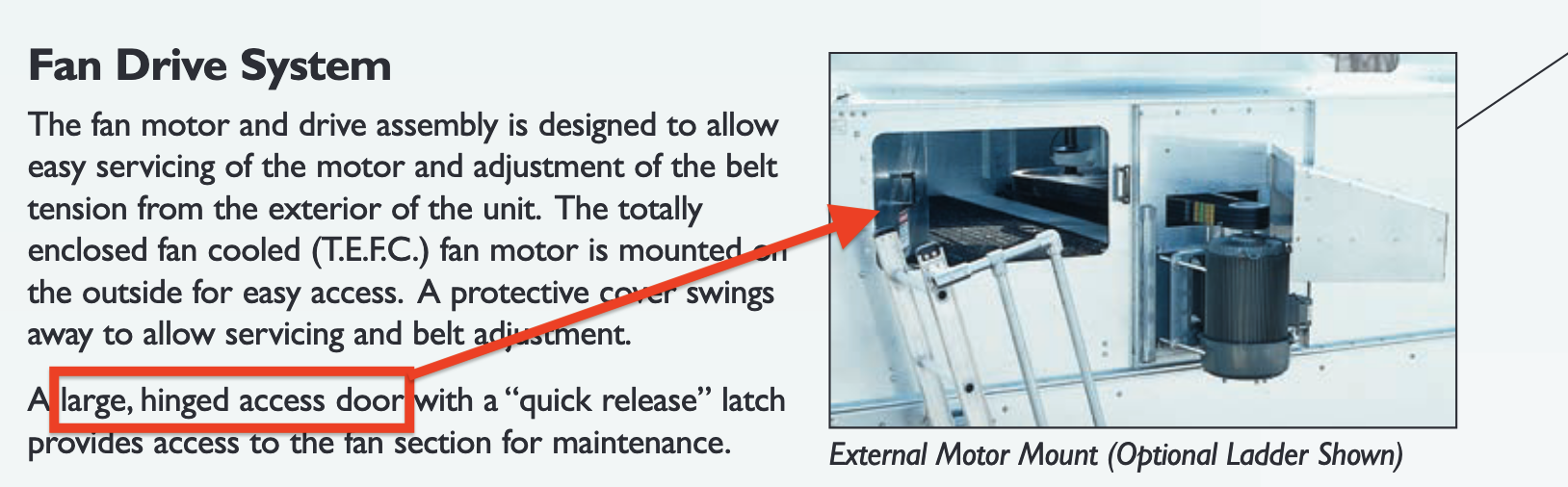
Although one could argue the use of the adjective “large” to describe the door/hatch/cover is a bit of a stretch, but none the less, this door/hatch/cover is without a doubt limiting entry and exit from the space.