 A safety feature(flanged connection)failure in a refrigeration system released 10 to 20 lbs of ammonia intended to be contained.
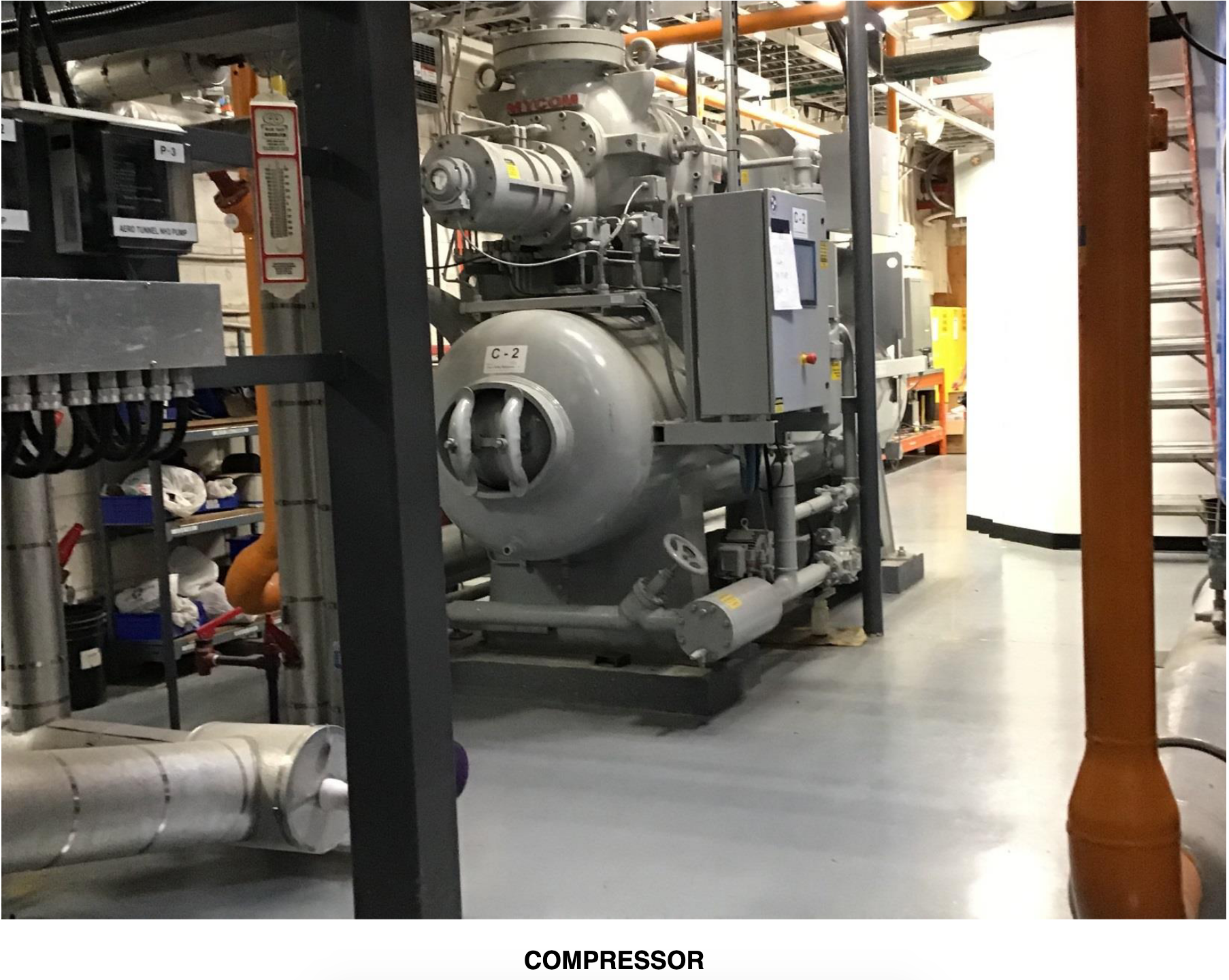
The ammonia refrigeration system is designed to operate at 250 Psig. The system uses welded or flanged connections to connect components such as compressors, condensers, evaporators, and liquid receivers. Piping and fittings including flanges, different types of valves, elbows, tee’s, etc., makes the system complete. Gaskets are installed between the mating surfaces of the fittings to ensure a proper seal so that the refrigerant will not leak out into the atmosphere. When bolts on flanges and fittings are not tightened properly or become loosened from expansion and contraction or vibration the mating surfaces between fittings and gaskets can become loose allowing ammonia under pressure to escape from the system.
Major components of the system are installed in a machinery room. The machinery room is an airtight room and it is equipped with ammonia detectors. The ammonia detector automatically starts the ventilation system and, also, actuate an alarm upon ammonia detection.
Failure scenario(s)
- In a machinery room, the ammonia from the closed system was released through the flanged joint during the normal operation and production hours, and triggered the audio ammonia alarm
- The ammonia monitor located outside the machinery room was showing 410ppm
- The building was evacuated immediately after the release, and a refrigeration maintenance contractor and a fire department was contacted
Facts and evidence
Plant activities:
- The plant is operated seasonally approximately 2 or 3 months in a year
- Newly hired employees were being trained to operate the refrigeration equipment
- The plant was under frequent start-up and shutdown for training
- The refrigeration plant was in normal operation at the time of the incident
Leak detections:
- Maintenance contractor detected ammonia leak through a litmus test
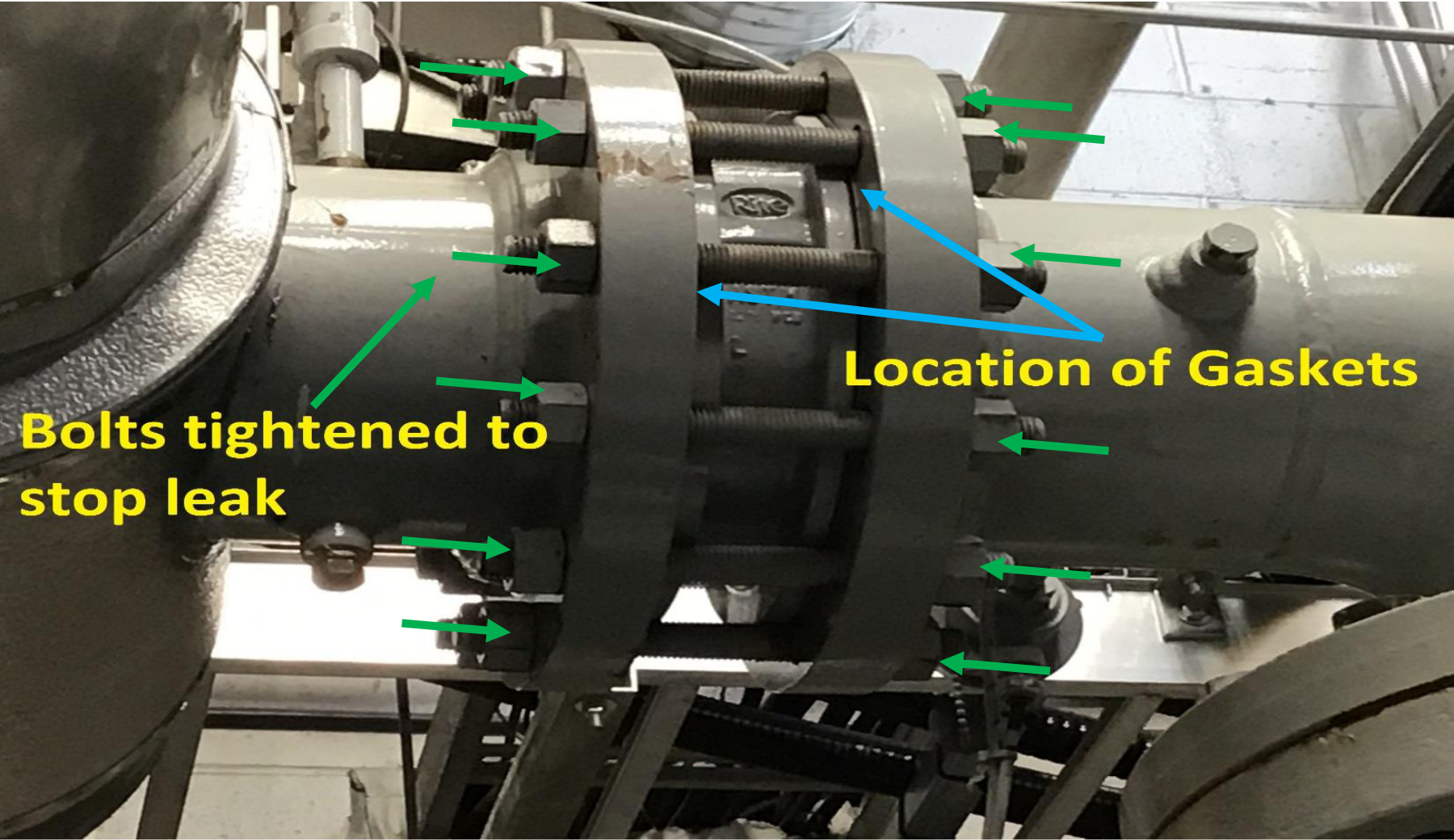
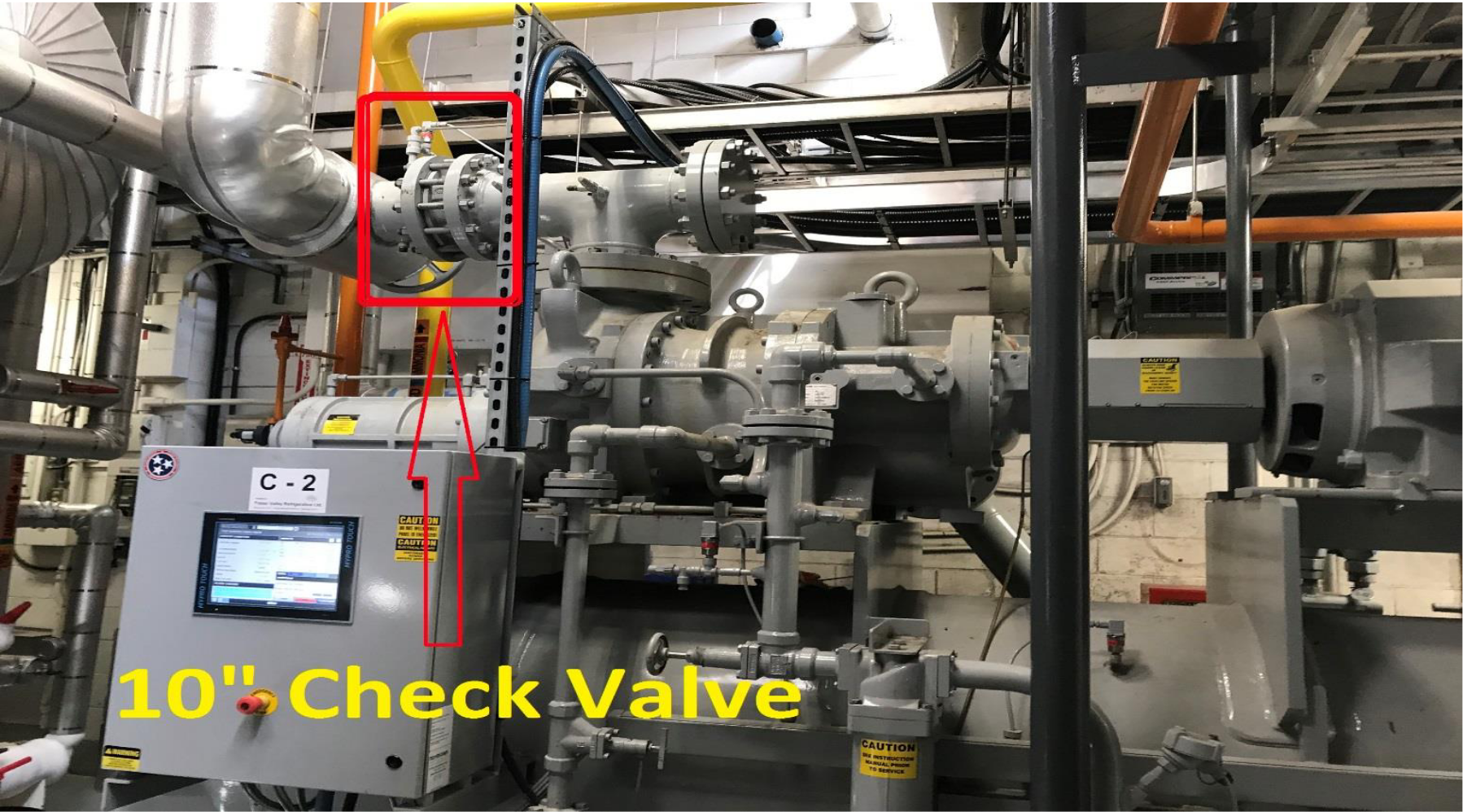
- The leak was found on the flanged connection of 10” check valve at the suction side of the compressor
- Maintenance contractor tightened the flange bolts which stopped the leak
- The ammonia concentration came down to zero in the room
- The compressor was shut down and isolated for inspection of flanged connection
Assessment of Flanged connection:
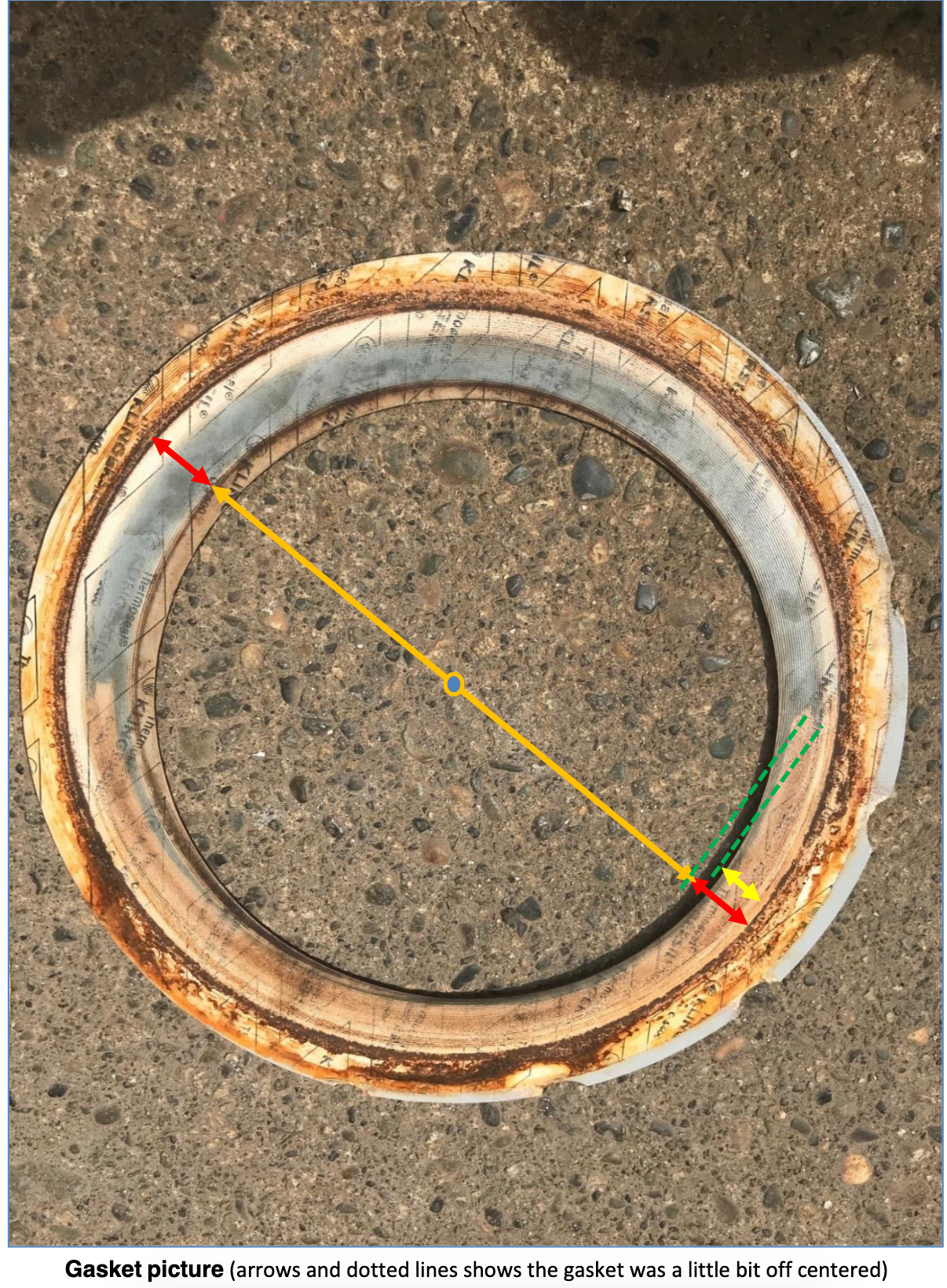
- The flanged connections were dismantled to assess the condition of the gasket and faces of the flanges.
- The Gasket was found a little off-centered but had no signs of physical damage
- Flange faces were normal
- Gasket was replaced
Causes and contributing factors:
It is very likely that frequent start-up and shutdown of the plant caused thermal expansion and contraction of the piping, flange, and bolts. This combined with vibration occurring while the compressor is running caused the nuts on the bolts of the suction check valve flange to loosen which resulted in an ammonia release.