
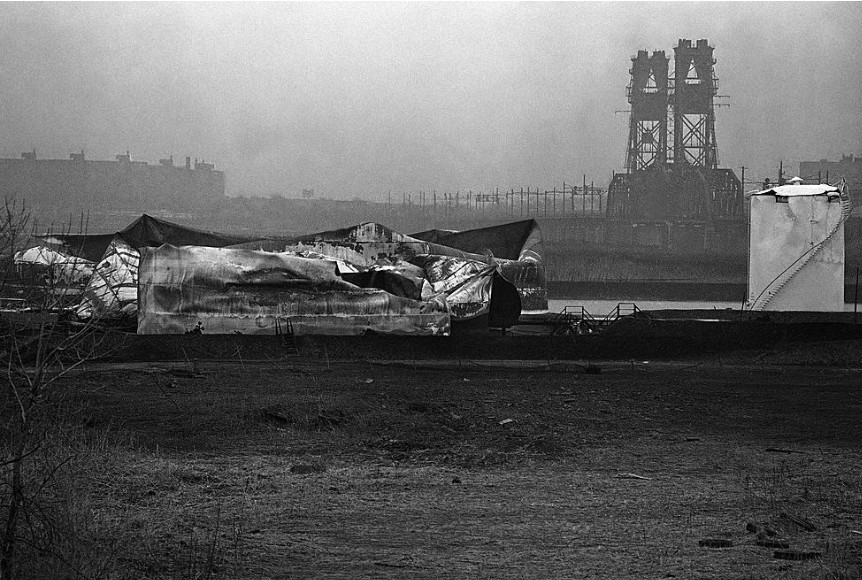
On January 7, 1983, at approximately 12:15 am EST, a massive explosion, ignited by an overflowing gasoline storage tank at the Texaco storage facility in Newark, NJ, and a nearby incinerator, destroyed three tanks, killing one person and injuring 24, while the blast was felt up to 100 miles away.
Cause:
The explosion was said to be caused by a human error; specifically, workers failed to monitor a pipeline delivery of gasoline to a tank, resulting in an overflow and a subsequent ignition by a vapor cloud drifting towards an incinerator 1,000 feet away.
Consequences:
- Deaths: One employee was killed.
- Injuries: Twenty-four people were injured.
- Property Damage: Three gasoline storage tanks were destroyed, and the blast was felt as far as 100 miles away, causing property damage and even shaking homes in places like White Plains, NY, and Southport, CT.
- Gasoline Spill: Approximately 3 million US gallons of fuel spilled, and the flames rose up to 1,000 feet.
The explosion and fire at a Texaco gasoline storage terminal occurred after a storage tank was filled beyond its capacity, overflowed, and caused a highly volatile cloud of vapor to form outside, Newark fire officials said.
The cloud, moved along by winds, traveled 1,000 feet to an incinerator at an adjacent steel drum plant. There it ignited in a series of small explosions that caused a much larger blast at one of the terminal’s gas tanks and a fire at the tank that overflowed and at one other, according to the director of the Newark Fire Department, John P. Caufield. One worker was killed and 24 other people were injured. The fire finally burned itself out at 10:40 P.M. Sunday.
“All things were just right for an explosion, Mr. Caufield said. The wind took the vapors in the right direction toward the incinerator. The incinerator is part of the operation at the Central Steel Drum Company, a concern that cleans and repairs 55-gallon drums.”
Workers at the Texaco plant had detected the overflow at 11:50 P.M., 25 minutes before the explosions. They were aware of the overflow, and they did take precautions to shut it down. By that time, however, the vapor cloud had escaped from the tank and gasoline had spilled.
At the time of the overflow, the tank was simultaneously being filled from a main pipeline and dispensing fuel to delivery trucks.
Cause of Overflow Sought
Investigators sought to determine how the overflow occurred and who, if anyone, was responsible. They don’t know what went wrong, and investigators don’t know what went wrong.
During the filling process, a gauge on the tanks is monitored every hour to prevent an overflow, Mr. Caufield said. A man goes around and checks, he added.
The tank that overflowed had a capacity of 1.8 million gallons of gasoline. It was not equipped with an automatic shutoff valve or an electronic device to detect overflow.
Although such safety measures are recommended in widely used petroleum industry standards, they are not required by Newark’s building or fire prevention codes.
It’s quite possible if some of the safety equipment were on the tanks we might not have had this, Mr. Caufield said. He added that he was considering taking steps to revise the city’s fire code.
Fire Safety Standards
The standards for fire safety at petroleum depots are set by the American Petroleum Institute and by the National Fire Protection Association, a nonprofit group that has been developing fire and safety codes since 1896.
Martin Henry, a specialist in flammable liquids for the association and a former battalion chief in the New York City Fire Department, called overflows a serious industrywide problem.
The association’s code for petroleum tanks calls for the use of at least one (1) of three (3) safety options: regular checks during the filling process;
an overfill alarm monitored in a central control room, or an automatic shutoff device that prevents overflows.
Companies Resisted Devices
Mr. Henry said some companies resisted the alarm devices because they believed that their employees would rely on them and become less vigilant in checking the gauges on the tanks. The alarm devices are also subject to malfunctions, he said. Most overflows are the result of “human error”, he said and added that “there are many we don’t hear about because they don’t have ignition. Overflow is probably the most serious thing that can happen to a gas storage tank.”
Source: NY Times
