
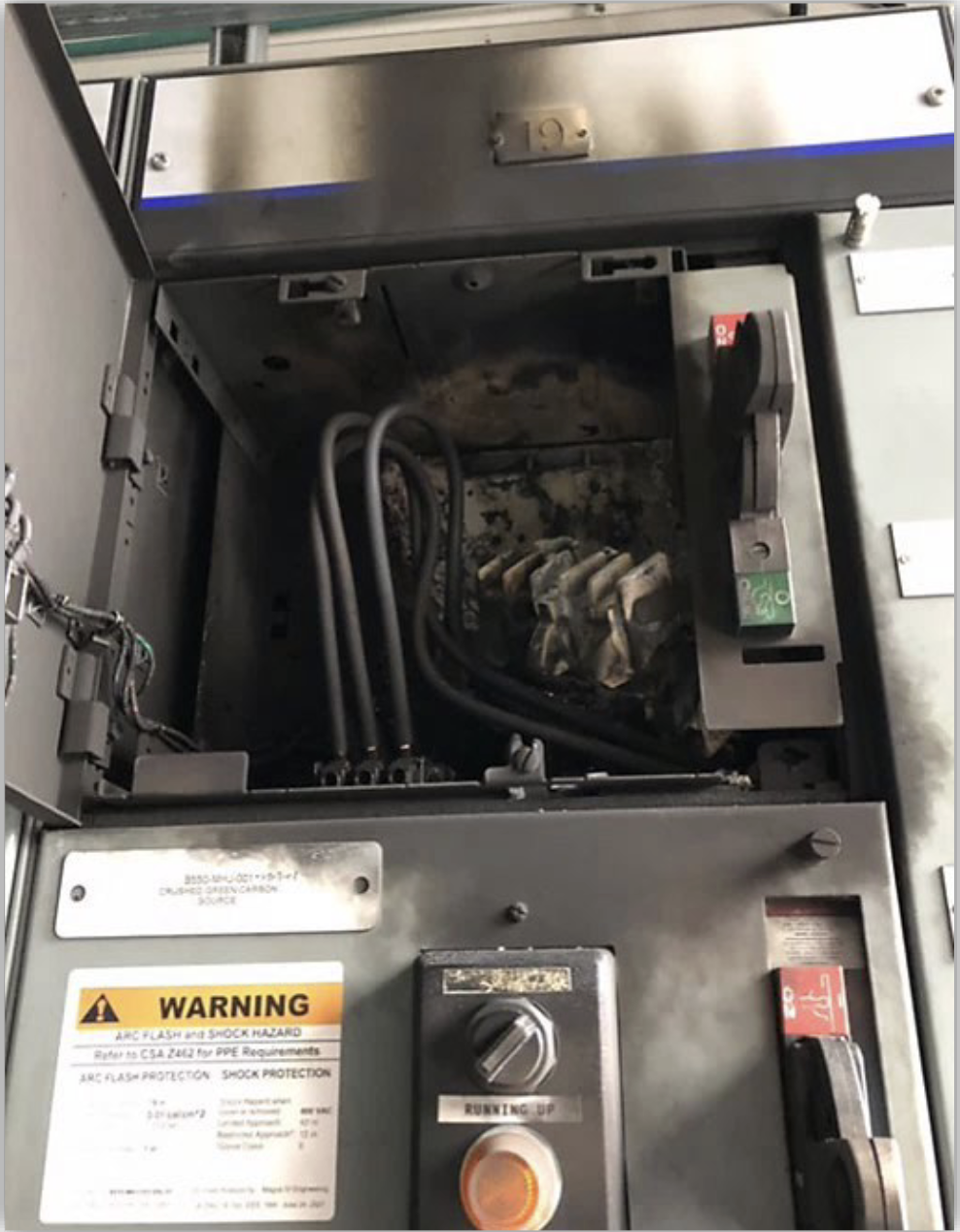
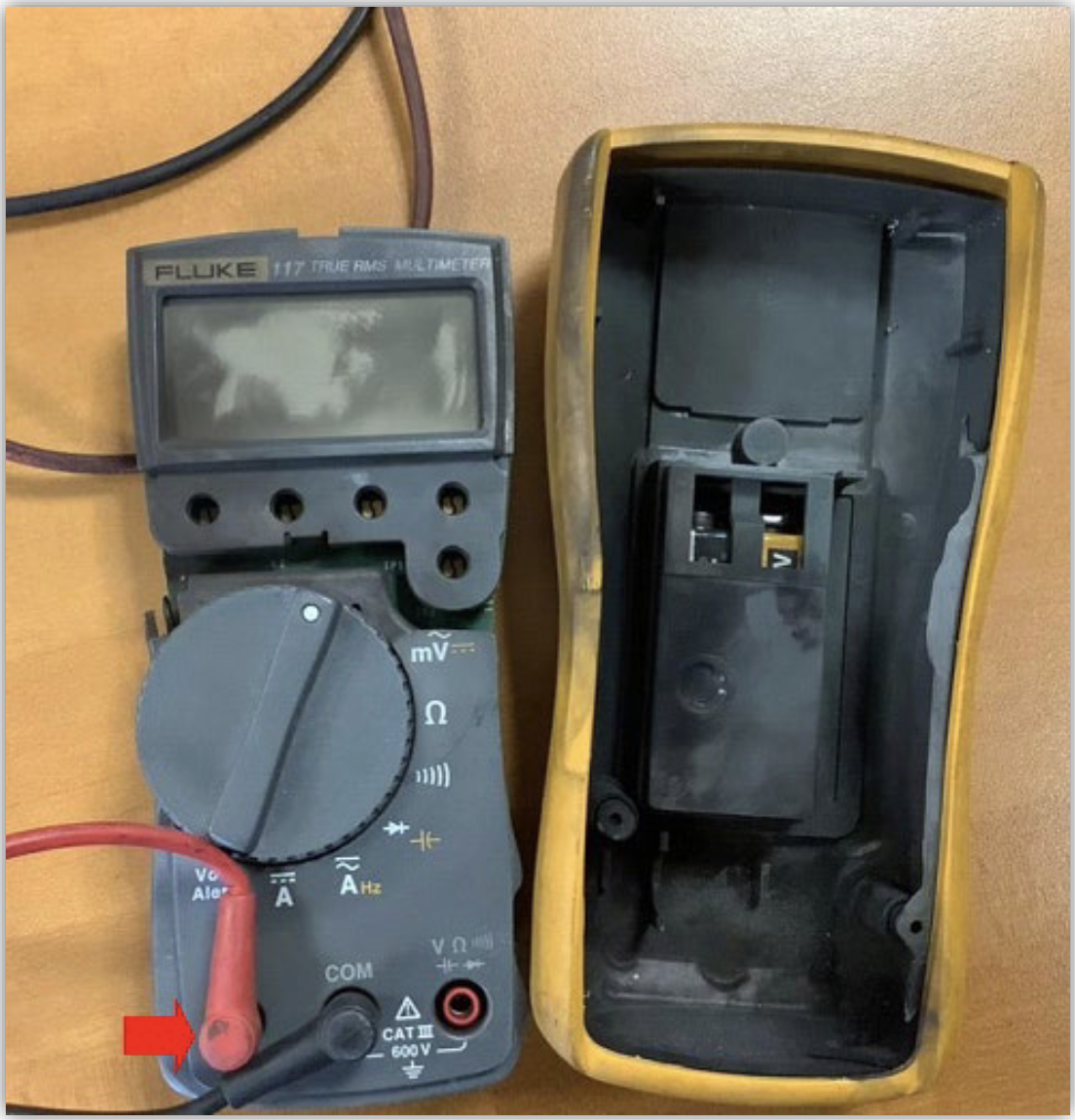
 Voltage tests were being performed in a bucket of the MCC with a multi-meter that had the test lead connected to the amperage port and an underrated fuse. When connected to the 600-volt source, the multi-meter shorted, leading to an arc flash. The arc flash caused burns to the face and hands and pushed the worker back, landing on their knees.
The MCC has arc flash and shock hazard warning labels that provide direction for personal protective equipment (PPE) requirements, working distance, limited and
restricted approach. The PPE requirements for arc flash protection gear for the MCC indicate the use of category 1, meaning 4 cal/cm2 gear.
Arc flash gear ranges from category 1 to 5, with category 5 being the highest rating.
- Allen-Bradley 1200-amp (horizontal) 300-amp (vertical) Bus ratings.
- 600 VAC maximum – 3 phase Motor Control Center.
- Motor control center bucket.
- MCC Arc Flash Protection-Shock Protection Warning Label states direction for PPE requirements, working distance, limited and restricted approach.
- MCC bucket voltage detector lamps were lit, and voltage was present at time of incident.
- Multi-meter Fluke 117- Data sheet- Fuse for A input- 11 A, 1000V FAST Fuse (Fluke PN 803293)
An electrician obtained a used multi-meter, approximately three years prior to the incident, as part of a purchase of a group of liquidated electrical tools. Facility control staff had identified a machine without power. An electrician with a class A, field safety representative (FSR) qualification and over 15 years of experience, working for an electrical contractor, was tasked with troubleshooting the machine to restore power. The contractor completed the pre-hazard checklist forms and went to the power control building with two facility staff to begin troubleshooting.
The electrician uncoiled the test leads of the multi-meter, inadvertently plugging a test lead into the ammeter port rather than the voltage port. The multi-meter had a
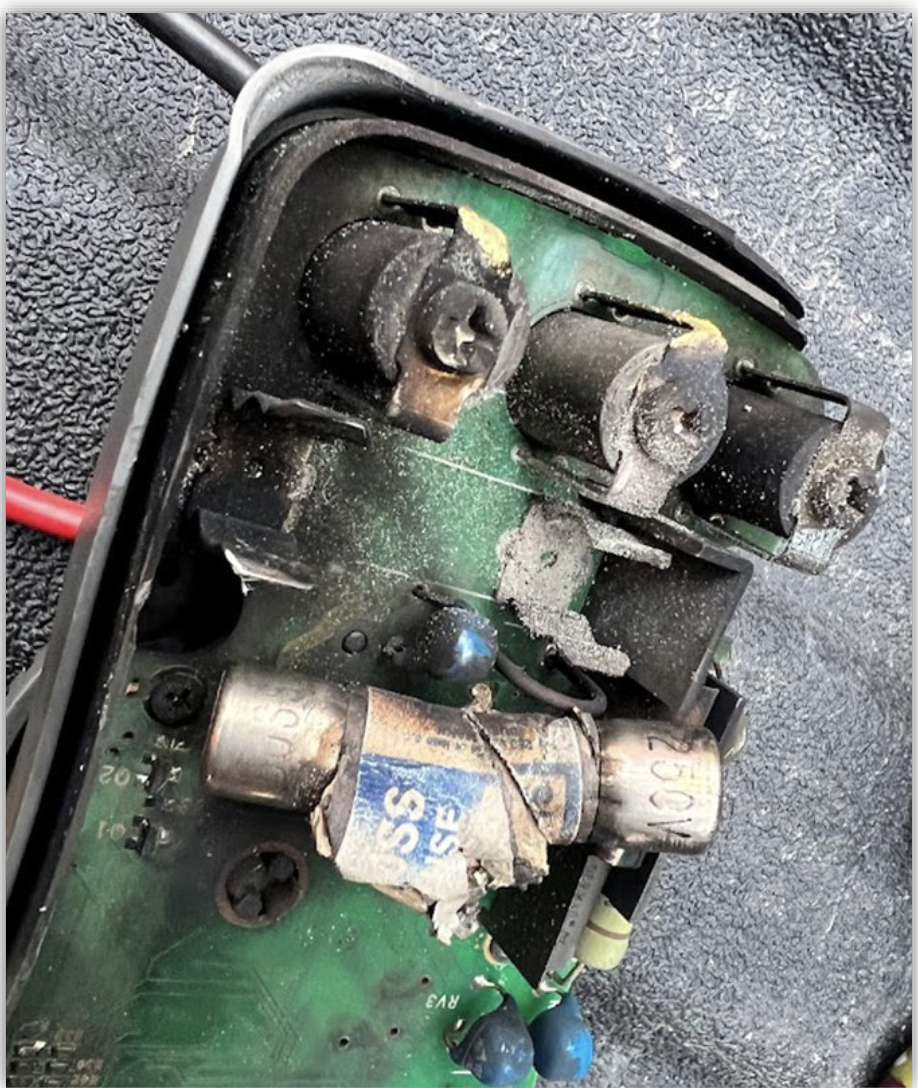
250-volt rated fuse rather than the required 1000-volt fuse. The electrician started by testing the fuses in the ohmmeter setting, with the MCC bucket de-energized. All
three fuses showed as continuous, meaning the fuses were ok. The electrician closed the MCC bucket door and re-energized the MCC bucket. To test the voltage, the electrician bypassed the safety door switch to open the bucket door while energized. They did not put on arc flash gear for their face or hands, although they did wear safety glasses and category 2 coveralls. The electrician then switched the rotary dial on the multi-meter to voltage and proceeded to measure the voltage at the line side of the MCC bucket fuses. With one test lead in contact with A phase and the other test lead in contact with B phase, an arc flash occurred.
- One of the multi-meter leads was in the ammeter port rather than the voltmeter port.
- Fuse amperage and voltage ratings were 250-volt and do not match the manufacturer’s specifications which were 1000-volt.
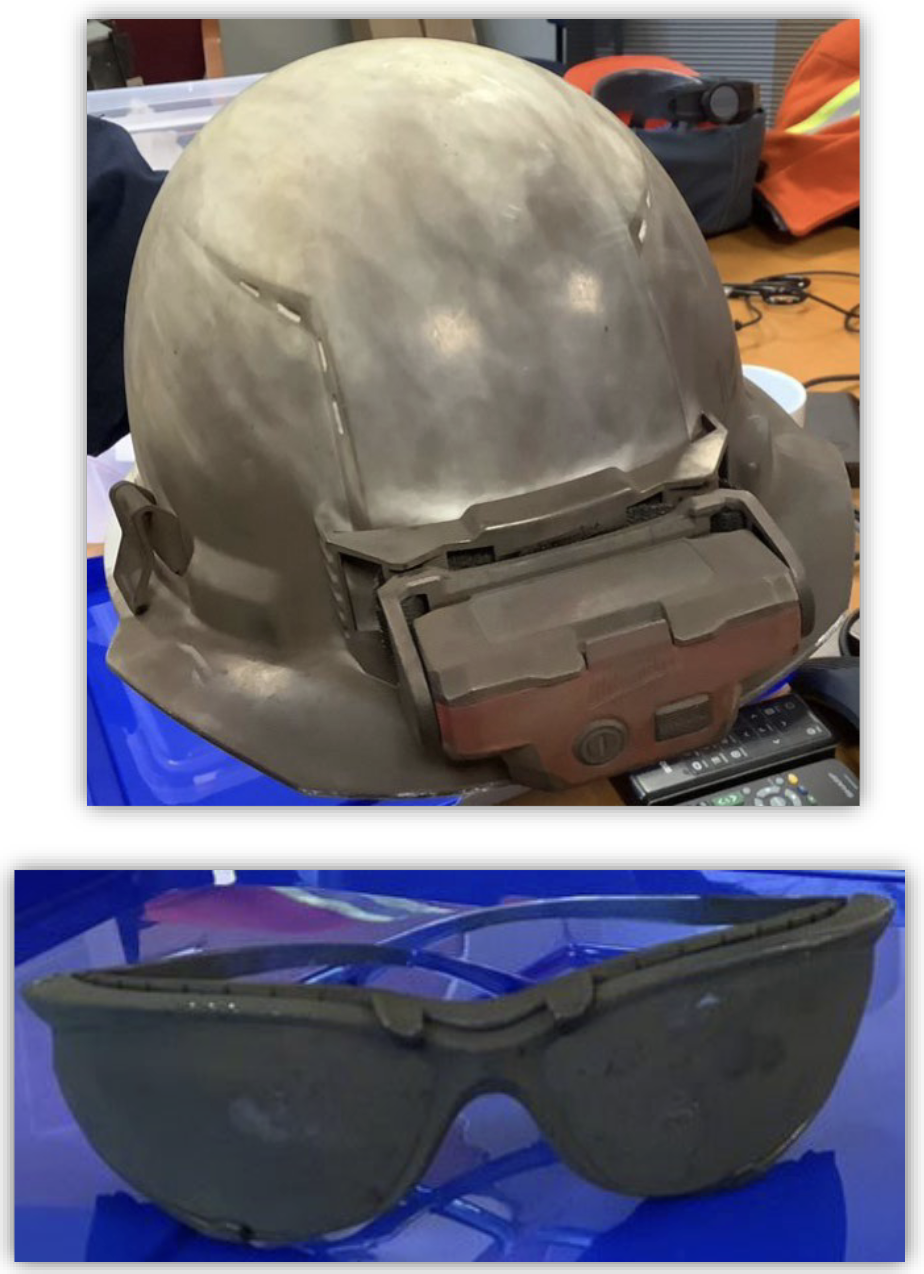
- The injured worker stated having category 2 arc flash coveralls, wool shirt underneath, a hard hat and safety glasses at the time of the incident.
- PPE used does not match the warning label on the MCC (Arc flash analysis/shock hazard) requirements.
The cause of the incident was the use of the multimeter test lead in the ammeter port during voltage tests.
Contributing factors include:
- The multimeter fuse being underrated was a contributing factor.
- The bypassing of the safety door switch to open the bucket door while energized.
- If the required level of arc flash gear was used, burns could have been minimized and/or eliminated.
Source: https://assets.contentstack.io/v3/assets/bltdec2ded849740f4d/blt3ab12dce912b52ad/651f08ad2b6593db87c58194/II-1511042-2023-(31971).pdf