This United States Coast Guard alert supports my expectation that we must demarcate our HAZLOCs. I usually get pushback as the code does not explicitly require the boundaries of our HAZLOCs to be marked in any way. But in reality, if we want workers to respect the hazards of working inside a HAZLOC, then we need to help them know when they have entered these areas. This alert from the U.S. Coast Guard displays my point well…
A recent marine incident involving a tri-fueled vessel (liquified natural gas (LNG), diesel, battery) that resulted in a fire and severe injuries to crewmembers highlights the dangers of working in hazardous zones. The hot work was being conducted in a hazardous zone (see Figure 1).
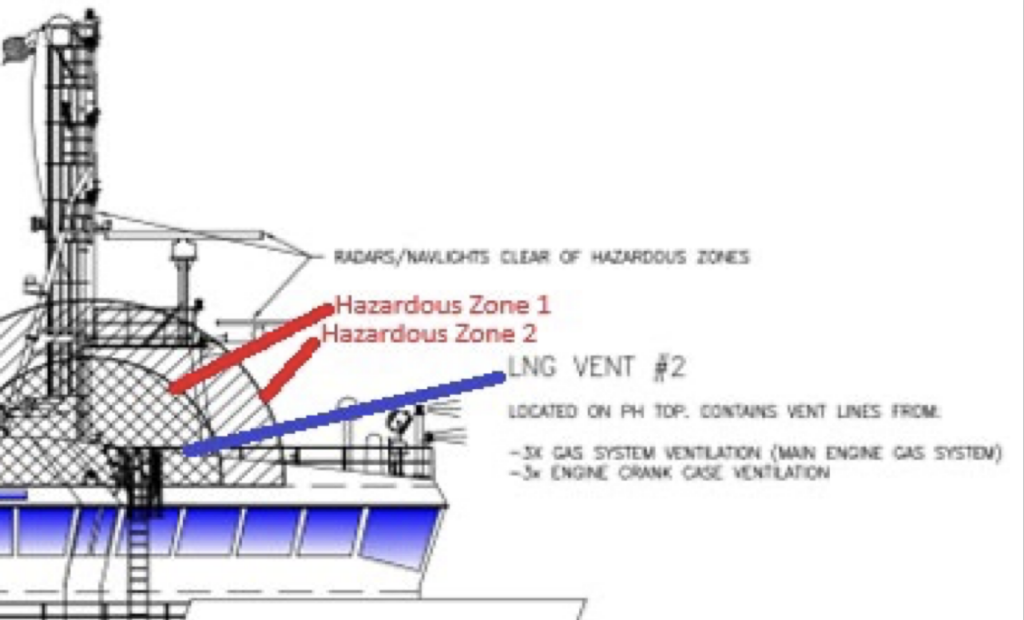
Although marked as hazardous zones on the vessel’s plans, the zones were not physically or otherwise marked as hazardous on the deck, providing no visual indication to the crew of the potential hazards present. However, the company had a policy in place that prohibited smoking in all locations not designated as a “smoking area.”
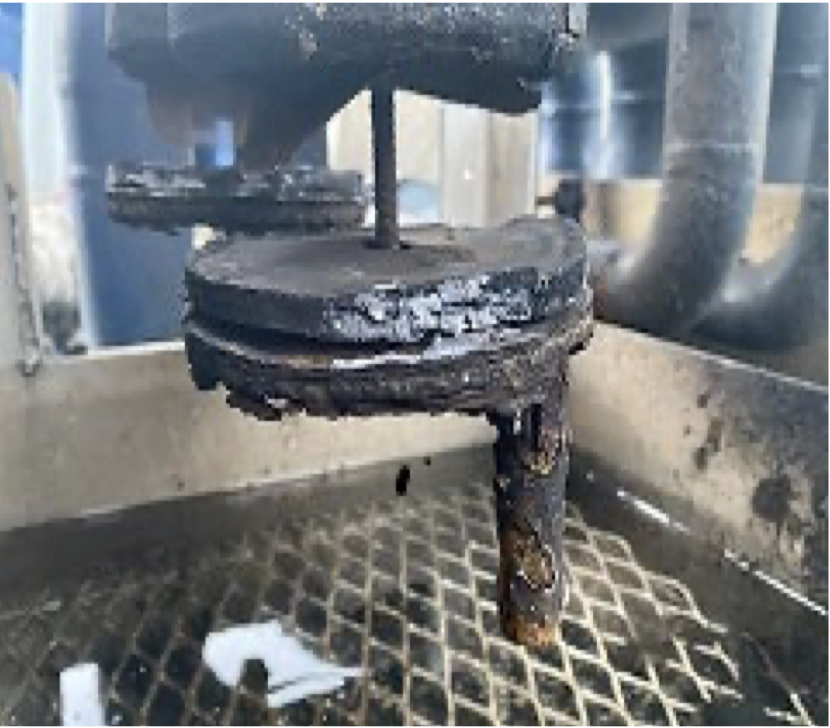
While the crew was performing assigned work on top of the pilothouse, Coast Guard investigators suspected that a malfunctioning engine purge valve actuator released LNG vapors through the vents in the crew’s work area. A crewmember subsequently lit a cigarette, igniting the venting fumes and causing severe injury to both crewmembers in the area. This incident shows the critical importance of situational and hazard awareness, proper marking of hazardous zones, and strict adherence to safety protocols.
The Coast Guard strongly recommends that vessel owners, operators, and other stakeholders:
- Review hazardous zone requirements and ensure crewmembers are fully aware of the circumstances and dangers that define hazardous areas.
- Ensure all hazardous zones are clearly marked, and crewmembers are aware of the locations and associated hazards.
- Remind crewmembers about the potential dangers related to smoking in unauthorized vessel areas.