
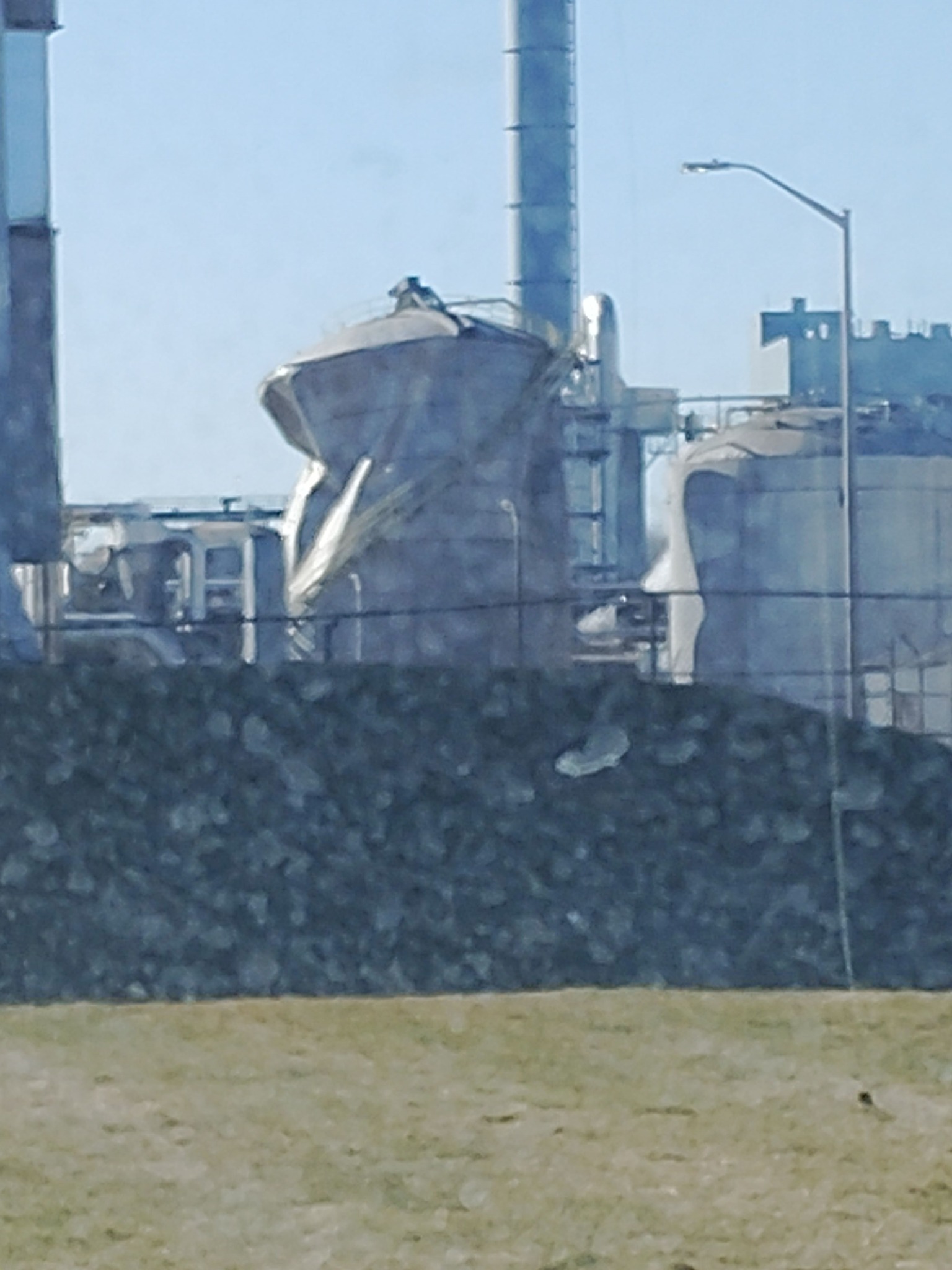
Not sure why “Over Pressure” events get all the attention. It is my belief that we destroy more vessels each year due to a vacuum than we do with over-pressure events. Of course, overpressure events have more layers of protection because they pose far greater risks. In my career, I have seen these failures occur with shocking regularity in the following environments:
- Ethanol and Biofuel Plants: During CIP (Clean-in-Place) cycles, internal steam condensation or caustic/CO₂ reactions often occur.
- Chemical Manufacturing: During startup and shutdown procedures, when vacuum breakers are isolated, tagged out, or frozen.
- Oil & Gas Terminals: Often, during rapid pump-out operations, the breather vents are obstructed or undersized.
A single implosion can easily exceed $500k–$ 1M+ in losses when we factor in the tank replacement, product loss, and operational downtime. The frequency of these events in the industry makes a rigorous, annual inspection and functional test of every single Vacuum Relief Valve (VRV) in your facility an absolute, non-negotiable requirement.
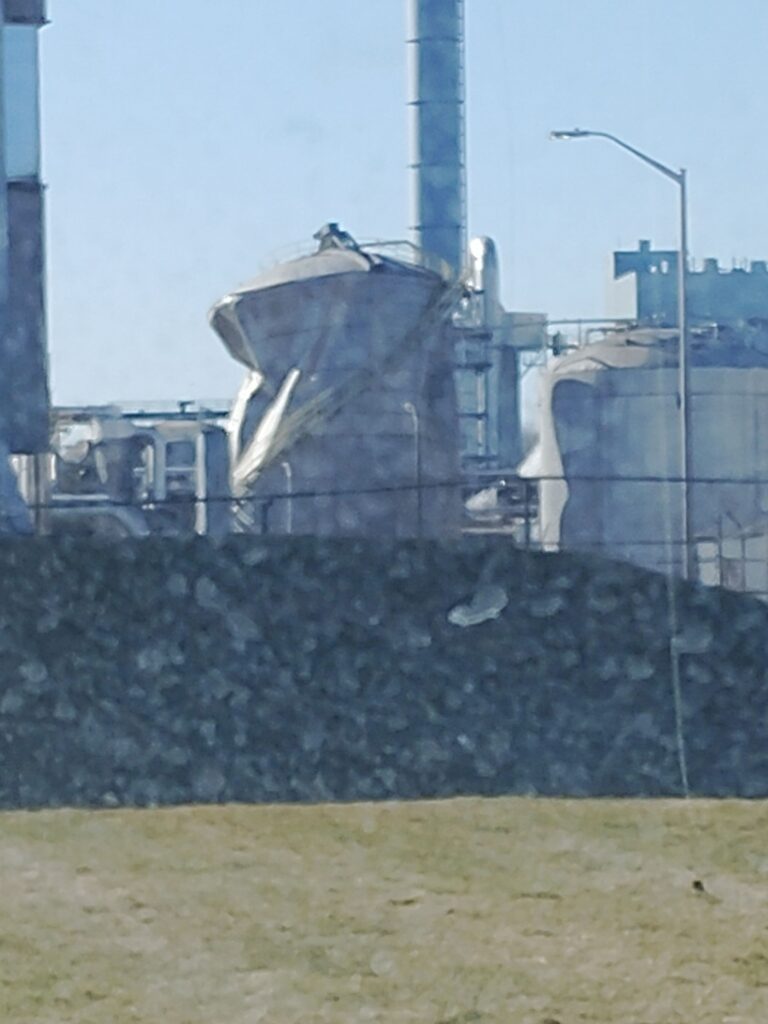
This pic from a FB Group is almost certainly an ethanol or biofuel plant. In the ethanol and brewing industries, tanks are particularly susceptible to this kind of catastrophic vacuum collapse due to three (3) extremely common process errors:
- Fermenters and beer wells are naturally full of carbon dioxide. If operators run a Clean-in-Place (CIP) cycle using a caustic solution (like sodium hydroxide) without fully venting or purging the CO₂ first, the caustic chemically reacts with the CO₂ gas, turning it into a solid carbonate salt. This instantly strips the gas out of the vapor space, creating a hard, instantaneous vacuum that no breather valve can keep up with.
- Ethanol tanks are frequently steam-cleaned to kill bacteria. If a tank is closed up and sealed while still hot, the steam inside will eventually cool and condense back into liquid water. Because water takes up roughly 1,600 times less volume than steam, this phase change violently pulls the tank walls inward.
- Moving thick, sticky corn mash or heavy liquids requires massive, high-capacity pumps. If the tank’s vacuum relief valve gets plugged with dried mash—or freezes over with ice in the winter—the transfer pump will easily out-pull the structural yield strength of the steel, crushing the tank like a soda can as it empties.