
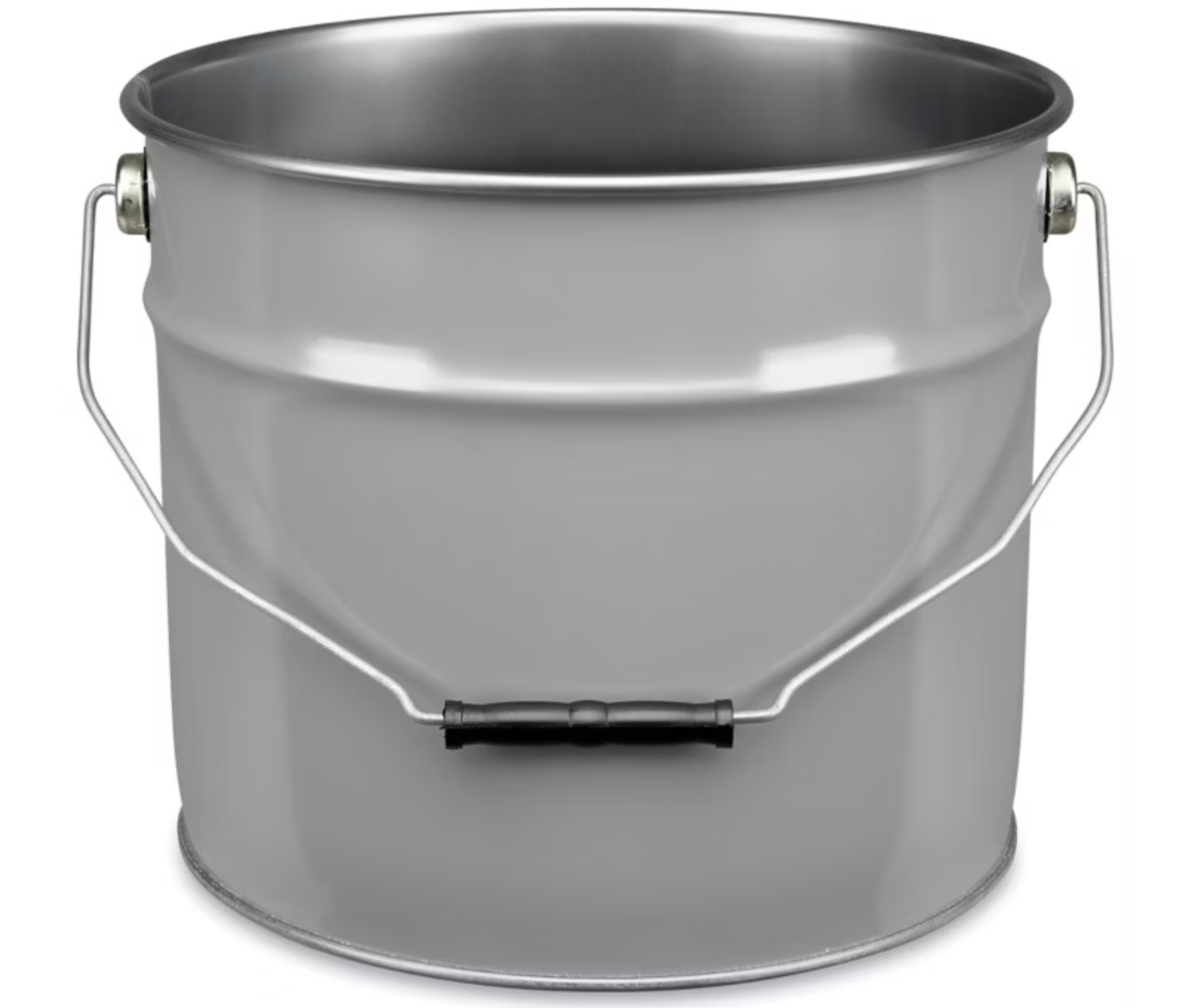
Transferring a flammable liquid, even in small quantities, can have very serious consequences. A former client who handles large quantities of flammable liquids had an event a number of years ago that was caused by what many never recognized as a “change,” especially one that would lead to such a serious event. Take a look at the two (2) buckets below and see if you can notice the differences in them…
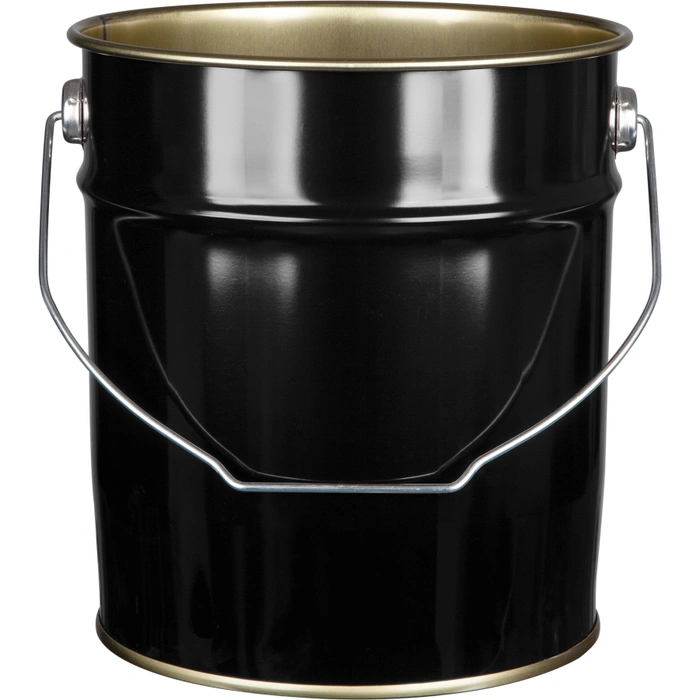 | |
This change was literally brought about through a “safety suggestion” to the site safety committee and approved by both EHS and Engineering. If you look at the bucket on the left, you may notice that the handle is FULL metal. In contrast, the handle on the right has a plastic addition to make the bucket more user-friendly.
Couple this with the “unsafe practice” as ot how the facility filled these buckets, and we have a flash fire scenario in the making. Workers would simply hang the bucket on the piping at the valve, OPEN the manual valve, and walk away to do other tasks. These valves were ALL specified to be METAL DEADMAN VALVES, but over the years, as the valves were replaced, they were replaced with quarter-turn ball valves. This change was also made without an MOC or EHS/Engineering approval, but had been in place for at least 6 years, as we identified this concern in two (2) different PSM/RMP audits.
Oddly enough, the facility was not using “deadman valves” at the time of this fire, which was a blessing, as it would have resulted in serious burns to the operator. Instead, the operator had walked away from the transfer when the static ignited the vapors.
With the metal handle in contact with the transfer line, the bucket was essentially BONDED to the transfer line, and this connection also acted somewhat as a GROUND. The original design used a dip leg that extended to the floor; the operator would slide the bucket under this leg, keeping the leg in direct contact with the bucket (bonding connection), and the bucket was grounded as it sat on a grounded metal plate. This design minimized “splash filling” and ensured proper bonding and grounding of the NON-CONDUCTIVE flammable liquids, namely toluene. But over the years, the dip legs were removed, and workers decided to hang the buckets from the transfer pipe (for ease, not safety). This setup/practice essentially provided some level of “unrecognized” safety.
Then came the complaints about how the handles were “cutting into hands,” making the task of carrying the buckets uncomfortable. The safety committee approved the bucket style on the right, which had a plastic roller to make the handle more comfortable. However, the addition of the plastic, coupled with the unsafe transfer methods, led to no bonding/grounding connection. It is estimated that the new buckets began their use in October, and the event occurred at the end of November. Static electricity is the cause, identified by the Corporate Safety and Engineering groups as well as the SFM. Losses exceeded $20M. All were caused by improper transfers of a NON-CONDUCTIVE solvent and a tiny change to make carrying the buckets easier on the hands.
This incident in Japan in 2000 reminds me of this event. Same issues, same type of bucket hanging during the transfer.