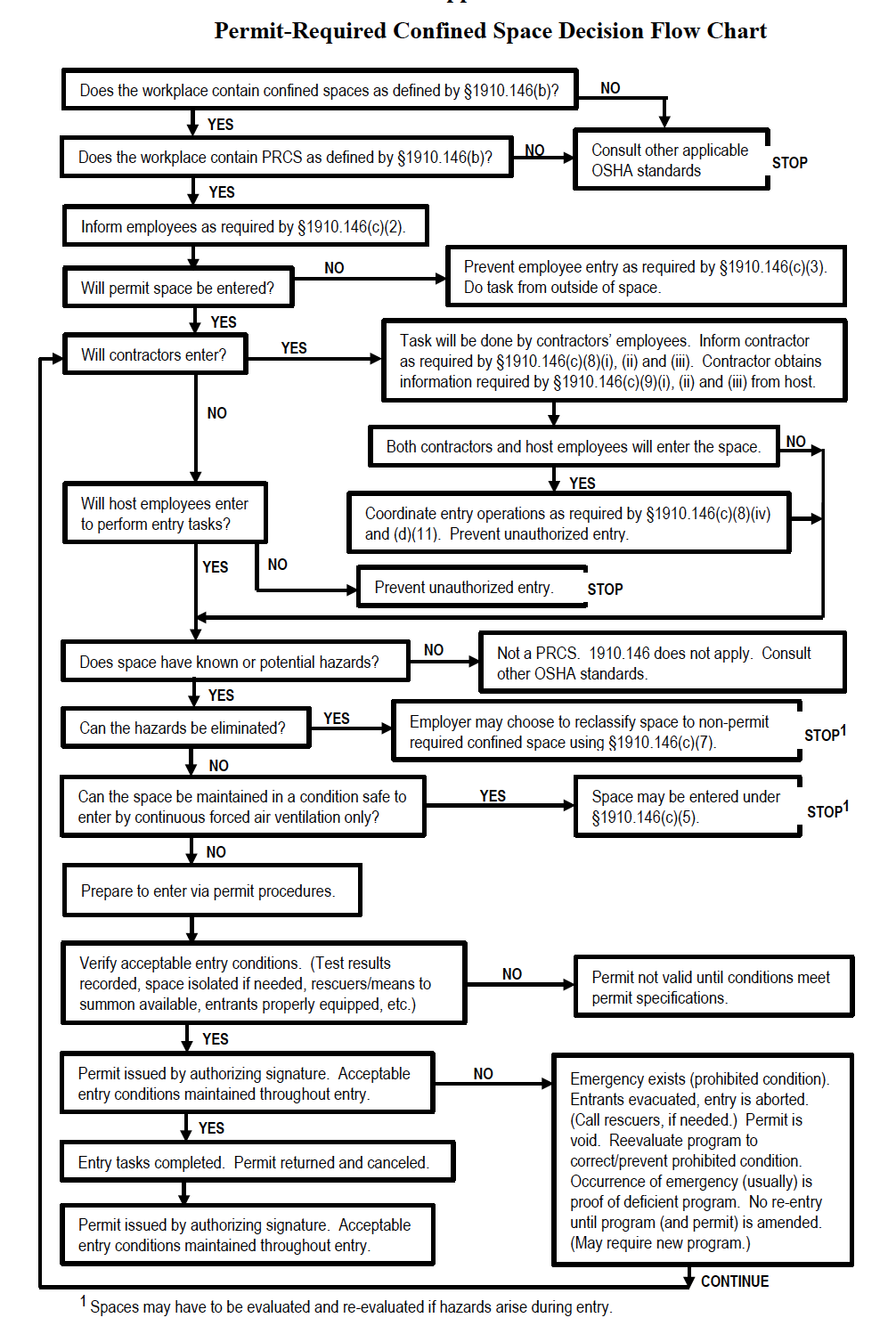
Two workers were killed while cleaning rail cars and were exposed to a dangerous amount of hydrogen sulfide gas. The primary cause of death of both employees was closed space asphyxiation and hydrogen sulfide intoxication, a byproduct of the residual organic waste contained in the tank. OSHA determined that neither victim was equipped with an emergency retrieval system before they entered the car. As a result, the liquid animal feed manufacturer has been placed in OSHA’s Severe Violator Enforcement Program.
Facility also failed to:
- complete a permit-required confined spaces entry permit
- use testing and monitoring equipment to evaluate the permit space condition prior to entry; and
- require employees to use rescue and emergency equipment.
OSHA also found the company failed to:
- designate trained rescue employees
- use a retrieval system attached to the worker to aid in rescue
- train workers and place warning signs about hazards that may be encountered in confined spaces; and
- ensure rail tank cars had been ventilated prior to entry
OSHA has proposed fines totaling $266,000. Here is a breakdown of the citations:
Citation 1 Item 1
Type of Violation: Serious; $7,000
29 CFR 1910.146(c)(2): The employer did not inform exposed employees, by posting danger signs, or by any other equally effective means, of the existence and location of and the danger posed by the permit spaces:
On or about June 24, 2014, employees assigned to perform cleaning and inspection activities inside of rail tank cars were not informed of the existence and location of and danger posed by such permit-required confined spaces through the posting of danger signs or other equally effective means.
Citation 1 Item 2
Type of Violation: Serious; $7,000
29 CFR 1910.146(c)(4): When the employer decided that its employees would enter permit spaces, the employer did not develop and implement a written permit space program that complied with 29 CFR 1910.146:
On or about June 24, 2014, employees were assigned to perform cleaning and inspection activities inside of rail tank cars (permit-required confined spaces).
The employer’s written permit-required confined space entry program did not provide specific information to ensure compliance with all of the applicable elements under 1910 .146( d) such as, but not limited to:
- Procedures to prevent unauthorized entry.
- Procedures to identify and evaluate the hazards of permit spaces.
- Procedures necessary for safe permit space entry operations (acceptable conditions for entry, providing entrants or their representatives with the opportunity to observe monitoring or testing of permit spaces, ventilating the permit space as necessary to eliminate or control atmospheric hazards, protection from external hazards, and verifying that conditions are acceptable for entry throughout the duration of entry).
- Procedures for providing testing and monitoring equipment, ventilating equipment, and rescue and emergency equipment.
- Procedures for evaluating permit space conditions when entry operations are conducted (testing and monitoring).
- Procedures for summoning rescue and emergency services, for rescuing entrants from permit spaces, for providing necessary emergency services to rescued employees, and for preventing unauthorized personnel from attempting a rescue.
- Procedures for preparing, issuing, using, and canceling entry permits.
- Procedures for reviewing and revising entry operations.
- Procedures for reviewing and revising the permit space program.
Citation 1 Item 3a
Type of Violation: Serious; $7,000
29 CFR 1910.146( d)(3)(i): Under the permit-required confined space program required by 29 CFR 1910.146(c)(4), the employer did not develop and implement the means, procedures, and practices necessary for safe permit space entry operations, including, but not limited to: specifying acceptable entry conditions:
On or about June 24, 2014, the employer did not specify the acceptable and safe entry conditions for employees assigned to perform cleaning and inspection activities inside of rail tank cars (permit-required confined spaces).
Citation 1 Item 3b
Type of Violation: Serious; Grouped
29 CFR 1910.146( d)(3)(iv): Under the permit-required confined space program required by 29 CFR 1910.146(c)(4), the employer did not develop and implement the means, procedures, and practices necessary for safe permit space entry operations, including, but not limited to: purging, inerting, flushing or ventilating the permit space as necessary to eliminate or control atmospheric hazards:
On or about June 24, 2014, the employer did not provide for the ventilation of rail tank cars to control or eliminate atmospheric hazards for employees assigned to perform cleaning and inspection activities inside ofrail tank cars (permit-required confined spaces).
Citation 1 Item 3c
Type of Violation: Serious; Grouped
29 CFR 1910.146(d)(3)(v): Under the permit-required confined space program required by 29 CFR 1910.146(c)(4), the employer did not develop and implement the means, procedures, and practices necessary for safe permit space entry operations, including, but not limited to: providing pedestrian, vehicle or other barriers as necessary to protect entrants from external hazards:
On or about June 24, 2014, the employer did not provide barriers to protect employees assigned to perform cleaning and inspection activities inside of rail tank cars (permit-required confined spaces) from external hazards such as, but not limited to, falling tools.
Citation 1 Item 3d
Type of Violation: Serious; Grouped
29 CFR 1910.146(d)(3)(vi): Under the permit-required confined space program required by 29 CFR 1910.146(c)(4), the employer did not develop and implement the means, procedures, and practices necessary for safe permit space entry operations, including, but not limited to: verifying the conditions in the permit space were acceptable throughout the duration of an authorized entry:
On or about June 24, 2014, the employer did not verify that entry conditions were safe and acceptable for entry and throughout the duration of entry for employees assigned to perform cleaning and inspection activities inside of rail tank cars (permit-required confined spaces).
Citation 1 Item 4
Type of Violation: Serious; $7,000
29 CFR 1910.146(d)(4)(ii): Under the permit-required confined space program required by 29 CFR 1910.146(c)(4), the employer did not provide, maintain, and ensure that employees used ventilating equipment needed to obtain acceptable entry conditions:
On or about June 24, 2014, the employer did not ensure that employees assigned to perform cleaning and inspection activities inside of rail tank cars (permit-required confined spaces) used ventilating equipment needed to obtain acceptable entry conditions.
Citation 1 Item 5
Type of Violation: Serious; $7,000
29 CFR 1910.146(d)(5)(ii): Under the permit-required confined space program required by 29 CFR 1910.146(c)(4), the employer did not evaluate permit space conditions when entry operations were conducted by testing or monitoring the permit space as necessary to determine if acceptable entry conditions were being maintained during the course of entry operations:
On or about June 24, 2014, the employer did not perform atmospheric testing and monitoring to evaluate if conditions remained acceptable during employee entry into rail tank cars (permit-required confined spaces) in order to perform cleaning and inspection tasks.
Citation 1 Item 6
Type of Violation: Serious; $7,000
29 CFR 1910.146(d)(9): Under the permit-required confined space program required by 29 CFR 1910.146(c)(4), the employer did not develop and implement procedures for summoning rescue and emergency services, for rescuing entrants from permit spaces, for providing necessary emergency services to rescued employees, and for preventing unauthorized personnel from attempting a rescue:
On or about June 24, 2014, the employer did not prevent unauthorized personnel from attempting to rescue employees from rail tank cars (permit-required confined spaces).
Citation 1 Item 7a
Type of Violation: Serious
29 CFR 1910.146(d)(l3): Under the permit-required confined space program required by 29 CFR 1910 .146( c )( 4 ), the employer did not review entry operations when the employer had reason to believe that the measures taken under the permit space program would not protect employees or revise the program to correct deficiencies found to exist before subsequent entries were made:
On or about June 24, 2014, the employer had not reviewed rail tank car entry operations subsequent to a January 2014 fire that destroyed the company’s atmospheric monitoring equipment, non-entry rescue equipment and permitting system.
Citation 1 Item 7b
Type of Violation: Serious
29 CFR 1910.146(d)(14): Under the permit-required confined space program required by 29 CFR 1910.146(c)( 4), the employer did not review the permit space program, using the canceled permits retained under 29 CFR 1910 .146( e )( 6) within one year after each entry and revise the program as necessary, to ensure that employees participating in entry operations were protected from permit space hazards:
On or about June 24, 2014, the employer had not reviewed their permit space entry program subsequent to rail tank car entries for cleaning and inspection activities by seeking to review any canceled permits.
Citation 1 Item 8a
Type of Violation: Serious; $7,000
29 CFR 1910.146(g)(l): The employer did not provide training so that all employees whose work was regulated by 29 CFR 1910.146(c)(4), acquired the understanding, knowledge and skills necessary for the safe performance of the duties assigned under this section:
On or about June 24, 2014, the employer had not provided training to employees assigned to perform cleaning and inspection activities inside rail tank cars (permit-required confined spaces) to ensure the safe performance of assigned duties.
Citation 1 Item 8b; Grouped
Type of Violation: Serious
29 CFR 1910.146(h)(l): The employer did not ensure that all authorized entrants knew the hazards that could be faced during entry, including information on the mode, signs or symptoms, and consequences of the exposure:
On or about June 24, 2014, the employer had not trained entrants assigned to perform cleaning and inspection activities inside rail tank cars (permit-required confined spaces) on the hazards of entry.
Citation 1 Item 8c
Type of Violation: Serious; Grouped
29 CFR 19l0.146(h)(2): The employer did not ensure that all authorized entrants properly used equipment as required by 29 CFR 1910.146(d)(4):
On or about June 24, 2014, the employer had not ensured that entrants assigned to perform cleaning and inspection activities inside rail tank cars (permit-required confined spaces) were trained on the proper use of atmospheric monitoring, ventilation, and non-entry rescue equipment.
Citation 1 Item 8d
Type of Violation: Serious; Grouped
29 CFR 1910.146(i)(1): The employer did not ensure that each attendant knew the hazards that could be faced during entry, including information on the mode, signs or symptoms, and consequences of the exposure:
On or about June 24, 2014, the employer had not trained attendants assigned to perform cleaning and inspection activities inside rail tank cars (permit-required confined spaces) on the hazards of entry.
Citation 2 Item 1a
Type of Violation: Willful; $70,000
29 CFR 1910.146(d)(4)(i): Under the permit-required confined space program required by 29 CFR 1910.146(c)(4), the employer did not provide, maintain properly, and ensure employees used testing and monitoring equipment needed to comply with 29 CFR 1910.146(d)(5) properly:
On or about June 24, 2014, the employer did not ensure that employees assigned to perform cleaning and inspection activities inside of rail tank cars (permit-required confined spaces) utilized available atmospheric hazard monitoring and testing equipment (for oxygen, combustible gases and vapors, and toxic gases and vapors) prior to allowing entry.
Citation 2 Item 1b
Type of Violation: Willful; Grouped
29 CFR 1910.146(d)(5)(i): Under the permit-required confined space program required by 29 CFR 1910 .146( c )( 4 ), the employer did not evaluate permit space conditions when entry operations were conducted by testing conditions in the permit space to determine if acceptable entry conditions existed before entry was authorized to begin:
On or about June 24, 2014, the employer did not perform atmospheric testing and monitoring to evaluate that entry conditions were acceptable prior to allowing employees to enter rail tank cars (permit-required confined spaces) in order to perform cleaning and inspection activities.
Citation 2 Item 2
Type of Violation: Willful; $70,000
29 CFR 1910.146(d)(4)(viii): Under the permit-required confined space program required by 29 CFR 1910.146(c)(4), the employer did not provide, maintain properly, and ensure that employees used rescue and emergency equipment needed to comply with 29 CFR 1910.146(d)(9):
On or about June 24, 2014, the employer did not ensure that employees assigned to perform cleaning and inspection activities inside of rail tank cars (permit-required confined spaces) used available non-entry rescue equipment including a tripod, winch, cable, and full body retrieval harnesses.
Citation 2 Item 3
Type of Violation: Willful; $70,000
29 CPR 1910.146(e)(1): Before entry was authorized, the employer did not document the completion of measures required by 29 CPR 1910.146(d)(3) by preparing an entry permit:
On or about June 24, 2014, the employer did not complete entry permits prior to allowing employees to enter rail tank cars (permit-required confined spaces) in order to perform cleaning and inspection activities.
CLICK HERE for the official citations (pdf)