
The 2021 edition of the International Fire ode (IFC) basically re-wrote the entire chapter on Combustible dust; which is a major improvement from the 2018 edition. Here are the highlights from the 2021 IFC, Chapter 22 – Combustible Dust-Producing Operations…
|
2201.1 Scope. The equipment, processes and operations involving dust explosion hazards and use or handling of combustible dust shall comply with the provisions of this chapter. Exceptions: 1. Storage and use of consumer materials in Group B or R occupancies. |
The changes to the Scope of Chapter 22 include deleting the reference to NFPA 652 and adding the phrase “and use or handling of combustible dust”. And with this new phrase, the IFC added the five (5) exceptions to the scope. Keep in mind that Group M is “mercantile”, Group B is “business” which is different than Group F – Factory. Group R is “residential”.
|
2201.2 Permits. Permits shall be required for combustible dust-producing operations as set forth in Section 105.5. |
The code now requires operational permits of the process/facility falls within the scope of Chapter 22. Of course, not many states have officially adopted the 2021 IFC as written, but just know that in the future, those states who adopt the “permit” section of the code will require an inspection and operations permit for the Dust processes.
|
SECTION 2202 DEFINITIONS 2202.1 Definition. The following terms are defined in Chapter 2: COMBUSTIBLE DUST DUST COLLECTION SYSTEM |
New to the code is the definition of a “dust collection system” and the code defines it as:
A combination of equipment designed to contain, capture and collect airborne combustible dusts.
The code had the definition of a “combustible dust” for several years now and it is defined must like how NFPA defines a “combustible dust”…
Finely divided solid material which is 420 microns or less in diameter and which, when dispersed in air in the proper proportions, could be ignited by a flame, spark or other sources of ignition. Combustible dust will pass through a US No. 40 standard sieve.
Here is NFPA’s official definition out of NFPA 652:
A finely divided combustible particulate solid that presents a flash-fire hazard or explosion hazard when suspended in air or the process-specific oxidizing medium over a range of concentrations
|
SECTION 2203 DUST EXPLOSION PREVENTION 2203.1 Critical depth layer. The maximum dust layer on all surfaces, including but not limited to walls, ceilings, beams, equipment, furniture, pipes and ducts, shall not exceed the critical depth layer specified in Table 2203.1. The critical depth layer is permitted to be adjusted for explosion hazard where further evaluated in accordance with one of the following: 1. Section 7.2.1.3 of NFPA 654 (link to FREE access). 2. Section 4.1.3.3 of NFPA 664 for wood flour. Accumulated combustible dust shall be collected by one of the methods listed in Section 2203.5.
|
||||||||||
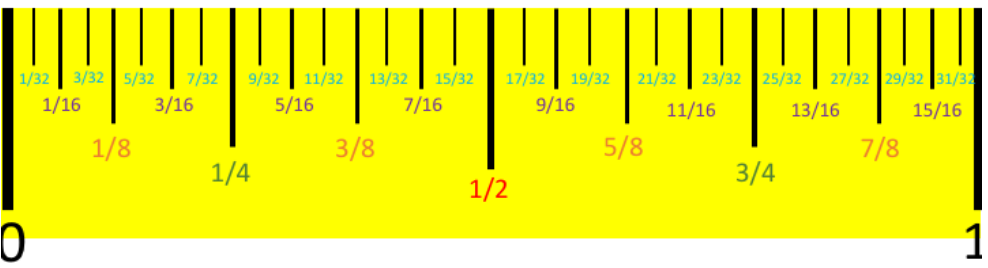
This “critical depth layer” section is new in 2021 and is a fundamental requirement when dealing with COM DUST.
To give you a nice visual of these depths, here is an image:
|
2203.2 Dust-producing and dust-handling equipment. Dust-producing equipment and dust-handling equipment, including but not limited to vacuums, dust collection systems, dryers, mixers, blenders, separators, conveyors, storage containers, silos or other similar devices, shall be listed and shall be maintained in accordance with the manufacturer’s recommended standards. 2203.2.1 Signages and markings. Signages and markings shall be provided in accordance with Sections 2203.2.1.1 through 2203.2.1.3. 2203.2.1.1 Deflagration vent discharge area markings. Where dust collection systems and other equipment, systems or system components are provided with deflagration vents, the area within the deflagration vent’s discharge area shall be marked in an approved manner. 2203.2.1.2 Caution signs. Signs that read as follows shall be posted near the dust-containing equipment with deflagration vents: CAUTION: THIS EQUIPMENT CAN CONTAIN EXPLOSIVE DUST. 2203.2.1.3 Warning signs. Where dust collection systems and other equipment, systems or system components are provided with deflagration vents, WARNING: EXPLOSION RELIEF DEVICE. STAY CLEAR. |
This section establishes the requirement that all equipment (fixed and mobile) within the dust hazard areas MUST be “listed” for use in these areas. The code officially defines the term “listed” as:
Equipment, materials, products or services included in a list published by an organization acceptable to the fire code official and concerned with evaluation of products or services that maintains periodic inspection of production of listed equipment or materials or periodic evaluation of services and whose listing states either that the equipment, material, product or service meets identified standards or has been tested and found suitable for a specified purpose.
The section also requires the facility to maintain this “listed equipment” per the manufacturer’s requirements.
The section contains a requirement for some areas and some equipment to be labeled with CAUTION and WARNING signs/labels. It also implies that a boundary be established around dust-containing equipment with deflagration vents and that the CAUTION sign is intended to keep personnel out of the hazard zone during the operation of the equipment. We use WARNING signs/labels on deflagration vents to tell folks to stay clear of the equipment (it is implied that the label would be large enough to read from a SAFE distance!!!!)
|
2203.3 Dust-collection and dust-conveying systems. Dust-collection and dust-conveying systems shall be in accordance with Sections 2203.3.1 through 2203.3.3. 2203.3.1 Dust-collection systems. Dust-collection systems shall be designed to collect dust emissions from dust-producing equipment at the point of generation. Dust-collection systems shall be in accordance with Section 511 of the International Mechanical Code. Exception: Closed systems using listed equipment and designed in accordance with manufacturer’s recommendations and specifications, where cleanouts are provided in accordance with Section 2203.3.3. Heating, ventilation, and air conditioning (HVAC) systems shall not be used as the means to collect dusts from localized sources. 2203.3.1.1 Location. Dust collectors shall be located outside of buildings. Exceptions: 1. Dust collectors inside buildings complying with Section 511 of the International Mechanical Code. 2. Wet-type dust collectors specifically listed for the type of dust conveyed shall be permitted inside buildings where in accordance with the manufacturer’s instructions and specifications. 3. Dust collectors designed to specific NFPA standards listed in Table 2205.1 for the specific type of dust conveyed. 2203.3.1.2 Minimum conveying velocities. The minimum velocities within ducts used as part of the dust collection system shall be in accordance with Table 2203.3.1.2.
|
||||||||||||
All of section 2203.3 Dust-collection and dust-conveying systems is new in 2021. This section is establishing that dust collectors are to be located OUTSIDE, except for the following three (3) conditions:
- Dust collectors inside buildings complying with Section 511 of the International Mechanical Code.
- WET-TYPE DUST COLLECTORS specifically listed for the type of dust conveyed shall be permitted inside buildings where in accordance with the manufacturer’s instructions and specifications.
- Dust collectors designed to specific NFPA standards listed in Table 2205.1 for the specific type of dust conveyed.
The code also specifically PROHIBITS HVAC ductwork from being used as a means to collect and convey combustible dust!
Lastly, the code establishes MINIMUM DUCT VELOCITIES so as to prevent dust from accumulating and/or coating the inside of the ductwork.
|
2203.3.2 Plastic ducts and conveying systems. Plastic, fiberglass, other nonconductive ducts, duct liners or pipes shall not be used as part of ducts and conveying systems. Ductwork utilizing a combustible lining shall be permitted only in high-impact areas and where approved. Flexible hose shall be permitted if designed and installed in accordance with the following requirements: 1. Manufactured of static dissipative construction. 2. Used only for connections and isolation purposes. 3. Limited to 18 inches (457 mm) in length. 4. Properly grounded. |
This section is all new and PROHIBITS plastic, fiberglass, and other NON-conductive ducts, duct liners, or pipes from being used in dust collection and conveying systems. The code does allow for flexible hoses to be used under four (4) conditions (ALL four have to be met):
- Manufactured of static dissipative construction
- Used only for connections and isolation purposes
- Limited to 18 inches (457 mm) in length
- Properly grounded
|
2203.3.3 Cleanouts. Openings in enclosed equipment and conveyors shall be provided to allow access to all parts of the equipment and conveyors to permit inspection, cleaning, maintenance, and the effective use of portable fire extinguishers or hose streams. Cleanouts for ducts used as part of the dust collection system shall be in accordance with the International Mechanical Code. |
This section is all new and requires that the dust handling equipment and conveyors/ducts have “access ports” that allow for inspection, cleaning, and maintenance AS WELL AS the effective use of portable fire extinguishers or hose streams. The IFC directs us to the IMC for the design of our “cleanouts” on the ductwork.
|
2203.4 Sources of ignition. Sources of ignition shall be controlled in accordance with Sections 2203.4.1 through 2203.4.9.5. 2203.4.1 Classified electrical. Classified electrical shall be in accordance with NFPA 70. Electrical motors and electrical components of the equipment shall not be installed in the dust-laden airstream unless listed for Class II, Division 1, locations. 2203.4.2 Static electricity. Bonding and grounding is required to minimize accumulation of static electric charge in the following locations: 1. Dust-producing equipment. 2. Dust-collection system. 3. Pneumatic dust-conveying systems conveying combustible dust from one location to another, combustible dust conveyors, piping and conductive components. Conveying systems include transport modes such as railcars, hopper cars, boxcars, tank cars and trucks into which or from which commodities or products are pneumatically conveyed. 4. Conveying systems using metallic piping. 2203.4.3 Hot works. Hot work and similar spark-producing operations shall not be conducted in or adjacent to combustible dust-producing areas unless precautions have been taken to provide safety. Hot work shall be permitted only in safe, designated areas in accordance with Chapter 35. Hot work is prohibited on equipment that is operating. 2203.4.3.1 Signs. Conspicuous signs with the following warning shall be posted in the vicinity of combustible dust-producing areas or in the vicinity of combustible dust use: NO WELDING. THE USE OF WELDING OR CUTTING EQUIPMENT IN OR NEAR THIS AREA IS DANGEROUS BECAUSE OF FIRE AND EXPLOSION HAZARDS. 2203.4.4 Hot surfaces and hot equipment. In areas where a dust explosion hazard or dust flash fire hazard exists, the temperature (in degrees Celsius) of external surfaces shall be maintained below 80 percent of the lower of the dust-surface ignition temperature or the dust-cloud ignition temperature for worst case dusts. External surfaces shall include but are not limited to: 1. Compressors. 2. Steam, water or process piping. 3. Ducts. 4. Conveyors. 5. Process equipment. Where steam pipes or hot surfaces occur in dust-producing or dust-handling areas, accumulation of dust on the surfaces shall be minimized by an approved method. Exception: Drying apparatus listed for the intended use and installed in accordance with the manufacturer’s instructions. 2203.4.5 Powered industrial trucks. Powered industrial trucks used in electrically classified areas shall be listed for such use. 2203.4.6 Smoking prohibited. Smoking shall be prohibited in or adjacent to dust-producing or dust-handling areas. “No Smoking” signs complying with Section 310 shall be conspicuously posted in such areas. Smoking shall be permitted only in designated areas. 2203.4.7 Spark-producing devices. Spark-producing devices shall not be located within 20 feet (6096 mm) of areas requiring classified electrical unless separated by a permanent partition. 2203.4.8 Self-heating materials. Materials in silos and other large storage piles of particulates prone to self-heating shall be in accordance with Section 9.4.11 of NFPA 652. 2203.4.9 Open flames and fuel-fired equipment. Open flames and fuel-fired equipment shall be in accordance with Sections 2203.4.9.1 through 2203.4.9.5. 2203.4.9.1 Release of airborne combustible dust. Production, maintenance or repair activities that have the potential to release or force combustible dust to become airborne shall not be conducted within 35 feet (11 m) of an open flame or pilot flame. 2203.4.9.2 Space heaters. Fuel-fired space heaters drawing local ambient air shall not be located within electrically classified areas. Space-heating appliances in dust-producing or dust-handling areas shall be located where not subject to the accumulation of deposits of combustible dust. 2203.4.9.3 Equipment listing. Fuel-fired process equipment shall be listed for its intended use and shall be operated and maintained in accordance with the manufacturer’s instructions. 2203.4.9.4 Inspection and preventive maintenance. Inspection and maintenance of fuel-fired process equipment shall include verification that significant combustible dust accumulations do not exist within or around the equipment. 2203.4.9.5 Sources of combustion air. In Class II electrically classified locations, heating units shall be provided with a source of combustion air ducted |
All of 2203.4 Sources of ignition is new and is one of the larger sections of the chapter. It covers:
- HAZLOCs
- Static Electricity
- Hot work
- Hot surfaces
- Forklifts/PITs
- Smoking
- Spark producing devices
- Self-heating materials
- Open flame equipment
Most notably some of the requirements are beyond what OSHA and NFPA require, such as the signs, conspicuous posted, PROHIBITING Hot Work with the following wording:
NO WELDING.
THE USE OF WELDING OR CUTTING EQUIPMENT IN OR NEAR THIS AREA IS DANGEROUS BECAUSE OF FIRE AND EXPLOSION HAZARDS.
WELDING AND CUTTING SHALL BE DONE ONLY UNDER THE SUPERVISION OF THE PERSON IN CHARGE.
The code also PROHIBITS Hot work and similar spark-producing operations from being conducted IN OR ADJACENT to combustible dust-producing areas unless precautions have been taken to provide safety and even then it is permitted only in safe, designated areas in accordance with Chapter 35.
Hot work is PROHIBITED on equipment that is operating.
NO SMOKING signs are also required to be posted in these areas. Smoking is prohibited IN OR ADJACENT to dust-producing or dust-handling areas. The facility MUST DESIGNATE area for smoking.
|
2203.5 Housekeeping. Accumulation of combustible dust on surfaces inside buildings shall be maintained below the critical depth layer in Section 2203.1. Pressurized air or similar methods shall not be used to remove dust from surfaces. Accumulated combustible dust shall be collected by one of the following methods: 1. Portable vacuum cleaners listed for use in Class II, Group G, Division 1, atmospheres as defined in NFPA 70. 2. Dust collection systems. 3. Other approved means that will not place combustible dust into suspension in air. Exception: Forced-air or similar methods shall be permitted to remove dust in accordance with NFPA 652, NFPA 654 or NFPA 664. |
All of section 2203.5 is new to 2021, but the requirements are not new. Managing accumulations of dust on surfaces is absolutely critical and as discussed above, these layers can NOT exceed 1/32″ for most COM DUST. Wood and Flour dust can accumulate to 1/8″. But a common, and insane, practice used at too many facilities is specifically PROHIBITED by the code – we can NOT use compressed air to remove the dust from surfaces! We have three (3) options to remove COM DUST:
- Portable vacuum cleaners listed for use in Class II, Group G, Division 1, atmospheres as defined in NFPA 70
- Dust collection systems
- Other approved means that will NOT place combustible dust into suspension in air
Exception: Forced-air or similar methods shall be permitted to remove dust in accordance with NFPA 652, NFPA 654, or NFPA 664.
|
2203.6 Standard operational procedures. Dust-producing equipment and all associated equipment, including dust-collection equipment, shall be maintained in accordance with the manufacturer’s instructions and specifications and applicable codes. The inspection, testing and maintenance program shall include the following, as applicable: 1. Fire and explosion protection and prevention equipment, as applicable, in accordance with the appropriate NFPA standards. 2. Dust-control equipment. 3. Control of potential ignition sources. 4. Electrical, process and mechanical equipment, including applicable process interlocks. 5. Lubrication of bearings for dust-collection, dust-handling and dust-producing equipment. 6. Additional maintenance in accordance with the manufacturer’s instructions and specifications for dust-collection, dust-handling and dust-producing equipment. Records shall be kept of maintenance and repairs performed. The standard operating procedures shall be submitted to the fire code official for review and |
This section is all new in 2021 and establishes a requirement that the inspection, testing, and maintenance of dust-producing equipment and all associated equipment, including dust-collection equipment, be maintained in accordance with the manufacturer’s instructions and specifications. This equipment includes:
- Fire and explosion protection and prevention equipment, as applicable, in accordance with the appropriate NFPA standards
- Dust-control equipment
- Control of potential ignition sources
- Electrical, process, and mechanical equipment, including applicable process interlocks
- Lubrication of bearings for dust-collection, dust-handling, and dust-producing equipment
- Additional maintenance in accordance with the manufacturer’s instructions and specifications for dust-collection, dust-handling, and dust-producing equipment
Much like our PSM/RMP programs, we have to keep records on our inspection, testing, and maintenance of this equipment and we MUST CERTIFY these procedures.
|
2203.7 Emergency response plan. A written emergency response plan shall be developed for preventing, preparing for, and responding to work-related emergencies, including but not limited to fire and explosion. The following information shall be developed into the plan: 1. Identification of dust hazards. 2. Identification and location of all utilities to affected areas. 3. Site plans or floor plans locating utility shutoff controls, including water, gas and power. 4. The potential for explosion. 5. Locations of fire-extinguishing equipment compatible with the hazards present. 6. Any additional information required by the fire code official. |
Section 2203.7 Emergency response plan is all new in 2021 and is specific to the dust hazards at a facility. So even those who have the traditional ERP for PSM/RMP or just your HAZMATs, it will need to be updated to include the following:
- Identification of dust hazards.
- Identification and location of all utilities to affected areas.
- Site plans or floor plans locating utility shutoff controls, including water, gas and power.
- The potential for explosion.
- Locations of fire-extinguishing equipment compatible with the hazards present.
- Any additional information required by the fire code official.
|
2203.8 Training. The plans and procedures required in Sections 2203.5, 2203.6, and 2203.7 shall be approved by the fire code official. The plans and procedures shall be reviewed annually and updated as required by process changes. Initial and annual refresher training shall be provided to employees who are involved in operating, maintaining, and supervising facilities that handle combustible dust. Initial and annual refresher training shall include: 1. Workplace hazards. 2. General orientation, plant diagrams, and plant safety rules. 3.Process description or flowchart. 4. Equipment operation, safe startup and shutdown, and response to hazard conditions or an incident. 5. The location and use of all related fire and explosion protection and prevention systems. 6. Equipment maintenance requirements and practices, including visual inspections of conveyors and ducts. 7. Housekeeping requirements, including the maintenance of the critical depth layer in Section 2203.1. 8. Emergency response plans as required in Section 2203.7. The employer shall maintain records of initial and annual training and review. |
Section 2203.8 Training is all new in 2021 and it establishes a baseline of training for those workers in these hazardous locations. Just like our PSM/RMP operating procedures, these dust safety procedures and plans MUST be reviewed annually and updated as required by process changes. Initial and ANNUAL REFRESHER training is required on these procedures and plans and shall include:
- Workplace hazards
- General orientation, plant diagrams, and plant safety rules
- Process description or flowchart
- Equipment operation, safe startup and shutdown, and response to hazard conditions or an incident
- The location and use of all related fire and explosion protection and prevention systems
- Equipment maintenance requirements and practices, including visual inspections of conveyors and ducts
- Housekeeping requirements, including the maintenance of the critical depth layer in Section 2203.1
- Emergency response plans as required in Section 2203.7
We have to maintain records of this ANNUAL training and ANNUAL reviews of procedures and plans.
|
SECTION 2204 DUST EXPLOSION SCREENING TESTS 2204.1 Combustibility and explosivity tests. Where combustibility or explosivity screening tests are required to analyze the combustible dust as part of compliance with Section 104.8 and Section 414.1.3 of the International Building Code, they shall be in accordance with Section 5.4 of NFPA 652. 2204.2 Samples. Representative samples for the screening test shall be obtained in accordance with Section 5.5 of NFPA 652. |
SECTION 2204 Dust Explosion Screening Tests is all new in 2021 but it is not a major change or surprise. It is just saying that when we have dust that needs to be tested as part of compliance with Section 104.8 and Section 414.1.3 of the IBC we do so per NFPA 652.
|
2205.1.1 Dust hazard analysis. If a dust hazard analysis (DHA) is required by the fire code official for new or existing facilities and operations, it shall be in accordance with NFPA 652. The DHA for existing facilities shall be in accordance with Section 7.1.1 of NFPA 652. |
And lastly, the 2021 code requires a Dust Hazard Analysis when the AHJ requires it for a new or existing facility/operation. The DHA shall be done in compliance with NFPA 652, Chapter 7.
CLICK HERE for FREE access