
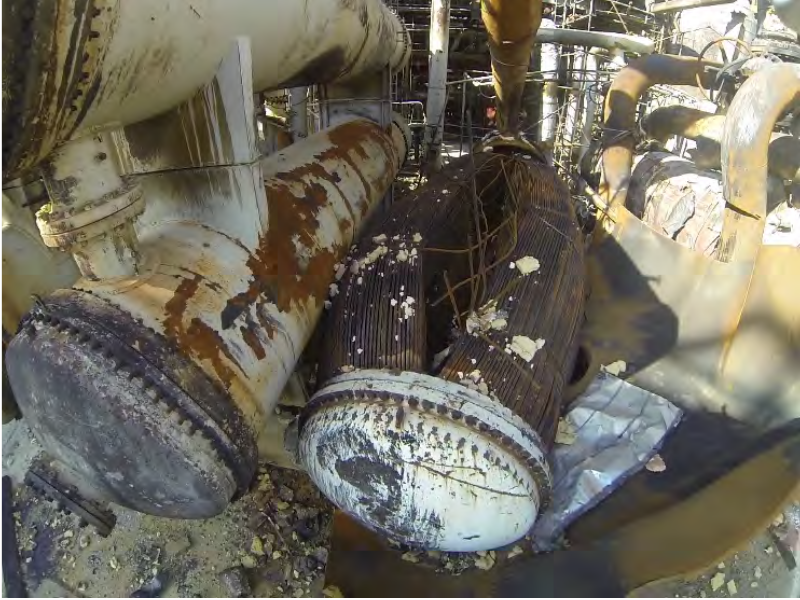
 The purpose of this Enforcement Alert is to highlight the importance of accident prevention efforts during startup periods and other times of non-routine operations. Chemical accidents can occur at any time, but there are times when facilities are more prone to accidents. The startup is a particularly vulnerable time. The Chemical Safety Board (CSB) noted in its Safety Digest, “CSB Investigations of Incidents During Startups and Shutdowns” and in its Safety Alert, “AFTER HARVEY: Precautions Needed During Oil and Chemical Facility Startup”, that a disproportionate number of accidents occur during startup or other non-routine operations. Facilities should be aware of several recent incidents (described below) that occurred during startup, so they can take extra care to avoid these types of accidents.
Legal Requirements
Preventing chemical accidents is an important responsibility for facilities that use extremely hazardous substances. Section 112(r)(7) of the Clean Air Act and the implementing regulations at 40 CFR Part 68 require all facilities, regardless of their size, that use certain extremely hazardous substances above a specified quantity in a process to develop a Risk Management Program. These facilities must:
- Conduct a hazard assessment that identifies potential effects of a chemical accident and an evaluation of worst-case and alternative accidental release scenarios (40 CFR Subpart B);
- Keep track of any accidents that took place in the last five years (40 CFR 68.42);
- Implement a prevention program that includes safety precautions, and maintenance, monitoring, and employee training measures (Subpart C, and SubpartD); and
- Implement an emergency response program that includes coordination with local emergency responders, procedures for responding to accidental releases, emergency health care, employee training measures, and procedures for informing the public, and response agencies (e.g., fire departments) should an accident occur (40 CFR Subpart E).
CLICK HERE to see this EPA Enforcement ALERT