A Purdue University report showed 51 grain bin accidents last year, up from 38 in 2009 and the most since tracking began in 1978. Twenty-five people died, and five of them were children under the age of 16.
The previous record for grain bin accidents was 42 in 1993. The accidents prompted the OSHA to send letters this past week to 10,000-grain bin operators across the U.S., telling them they are responsible for preventing the deaths of their workers in grain bins. The letters follow a batch OSHA sent last summer to 3,000-grain storage operators after three people died in two accidents at storage facilities in Illinois.
One of the accidents involved two teenagers who were sent into a grain bin at a terminal in Mount Carroll, Ill., to break up the clumped grain. The bin, which held up to 500,000 bushels, was about half full, and rescue workers had to cut holes in its sides and drain thousands of bushels of grain to reach their bodies. Bill Field, a Purdue University professor who has studied grain bin accidents for 30 years, said such accidents had already become more common when there was a spike after the 2009 harvest. “What we had throughout the Corn Belt was high levels of moisture, and some were put into storage and began to spoil,” Field said. “That caused a problem with mold and grain caking together and inability to flow out of the bin.”
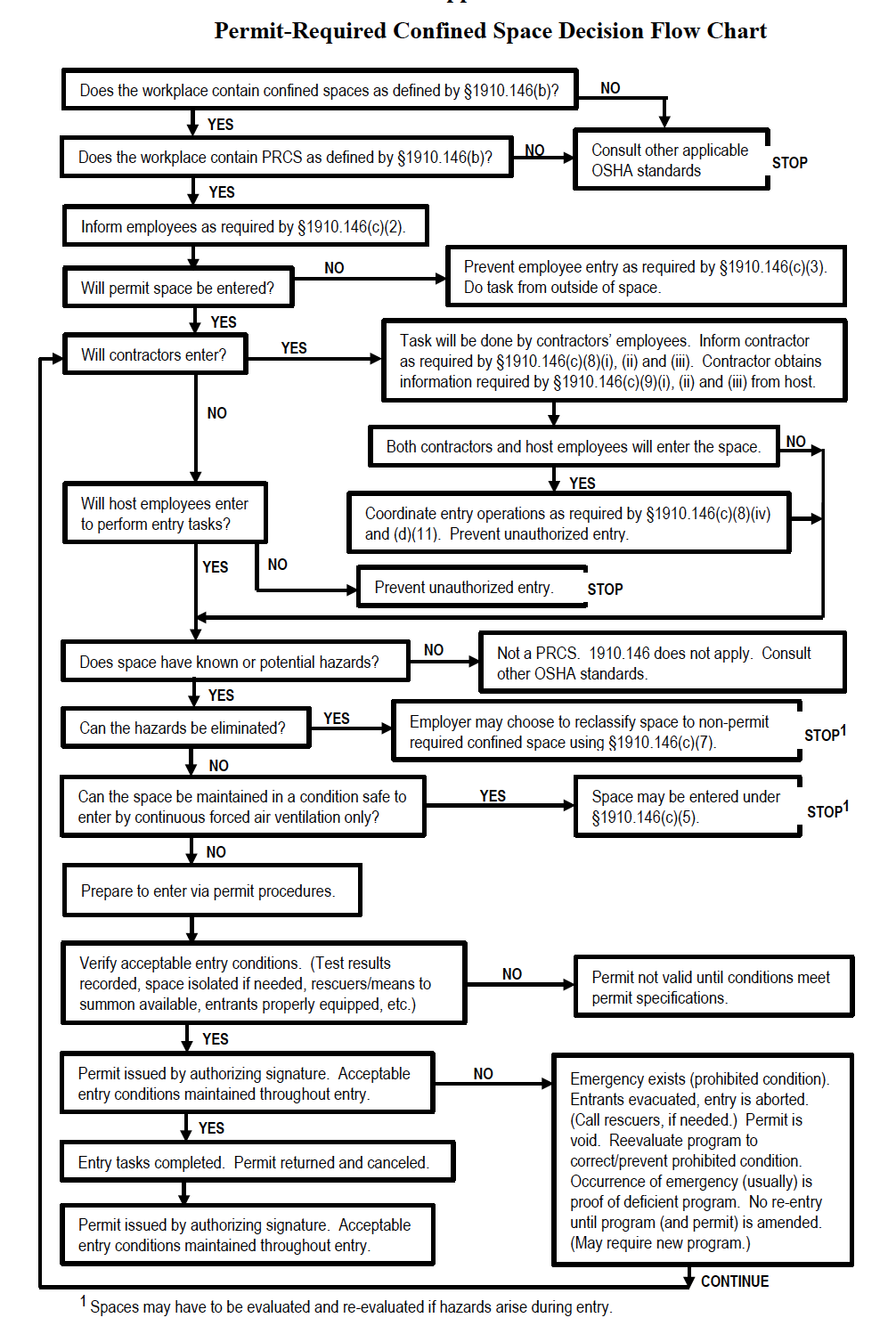
Storage facility workers and farmers have been climbing into bins to break up the grain and get it flowing again. Field said the huge increase in grain production in recent years and the construction of more bins also has been a factor in the increase in accidents. “We’ve been producing an incredible amount of grain and have more storage capacity than ever,” he said. “We are growing more to make ethanol, and we’re hanging on to corn longer trying to obtain the highest price we can, which increases the risk of spoilage.” The bulk of the grain bin accidents have been in major corn and soybean growing states. Illinois led the country with ten accidents last year, followed by Minnesota with eight. Wisconsin had seven, and five were reported in Iowa. Grain bin accidents have continued to rise as other types of agricultural accidents have decreased. Field said that’s because technology in that sector hasn’t kept up with improvements in other areas, such as tractor safety. Improvements are needed in design, safe access to grain bins, and the ability to rescue people who become trapped, he said. He believes that will happen with a new generation of farmers taking over. Meanwhile, OSHA has been taking a tougher stance on violations of current safety standards. The terminal mentioned earlier was fined $555,000 for two dozen safety violations after the accident that killed the teenagers in Illinois. Michaels said it would consider pursuing criminal charges against grain handlers involved in accidents. The letter OSHA is sending grain storage operators outlines seven steps that should be taken to reduce the risk of injury or death, including turning off augers and other power equipment before entering bins; prohibiting walking on grain; providing a body harness with a lifeline for anyone going into a grain bin; and making sure there’s someone outside the bin who can help if something goes wrong.