This is an Investigation Report that EVERY PSM/RMP risk manager who has FLAMMABLE LIQUIDS in their process MUST READ! I would add that EVERYONE who has flammable liquid tanks on their site should read this report. The report could be used as an example of: 1) the “Accident Domino Theory”, 2) a TRACKING SYSTEM for mechanical integrity deficiencies is an ABSOLUTE MUST and that addressing those deficiencies in a TIMELY MANNER is ever so CRITICAL!, 3) Contractor Safety, and 4) Hot Work permitting! Click Read More below to see much more.
Following the fire and explosion that occurred 5/31/2011 at the Nature Port Reception facilities site at the Western Arm, Government commissioned Capita Symonds who are specialised and highly experienced in the investigation of incidents of this sort in the UK and elsewhere, to undertake an external and independent investigation into the incident. The investigations undertaken by Capita Symonds examined the causes of the incident, the adequacy of the Plant Operators Management systems and health and safety and Accident Management procedures and plans, and the condition of the tanks and plant. The report’s main findings:
Direct Cause of Explosion.
The cause of the explosion has been attributed to the holes in the roof of the tanks that allowed flammable vapour to escape from the tank and into the atmosphere. The welder, who had been welding a pipe to the guardrail at the roof of one of the two main tanks, struck an arc when he began welding and in the opinion of the investigator, that arc caused the escaping vapour to ignite. This in turn flashed to the vapour in the roof void of the tank, between the stored product and the roof, and ignited it. The heat rapidly built up pressure and then blasted a hole in the weld sealing the roof to the body of the tank on the opposite side of the tank to the two men. It sent flames and smoke in a vertical direction. Seconds after, the main explosive rupture occurred close to where the welding was being undertaken, with flames and smoke shooting out almost horizontally. The flash was transmitted from Tank 1 to tank 2 via pipework sited on the top of each tank.
Main Findings
1. Failure to manage contractors when undertaking welding operations within the site;
2. Failure to repair, corrosion perforations on the roofs of Tanks 1 and Tank 2 that had been identified, but not repaired.
3. There appears to have been a number of significant departures from a sound health and safety management system expected of any organisation operating a potentially hazardous plant such as this.
4. The health and safety and accident management policies and procedures of the facility lacked sufficient detail.
5. The vetting process to ensure that sub-contractors carried out their work safely was not transparent, nor was it clear that Nature appreciated the need to keep close contact with the sub-contractor’s men, especially in the absence of the subcontractor’s supervisor.
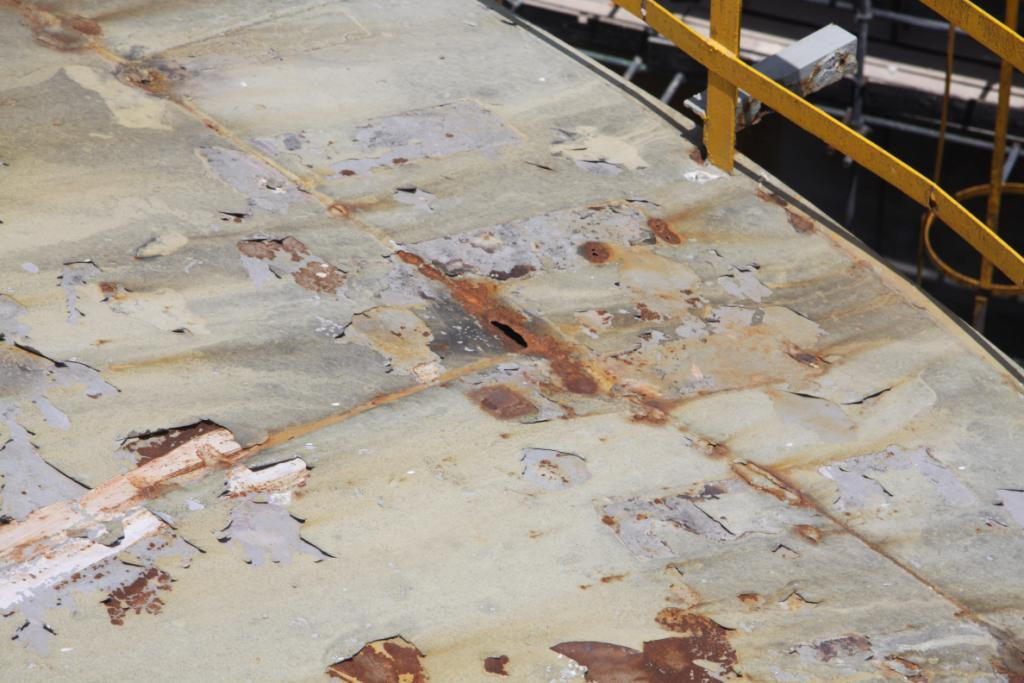
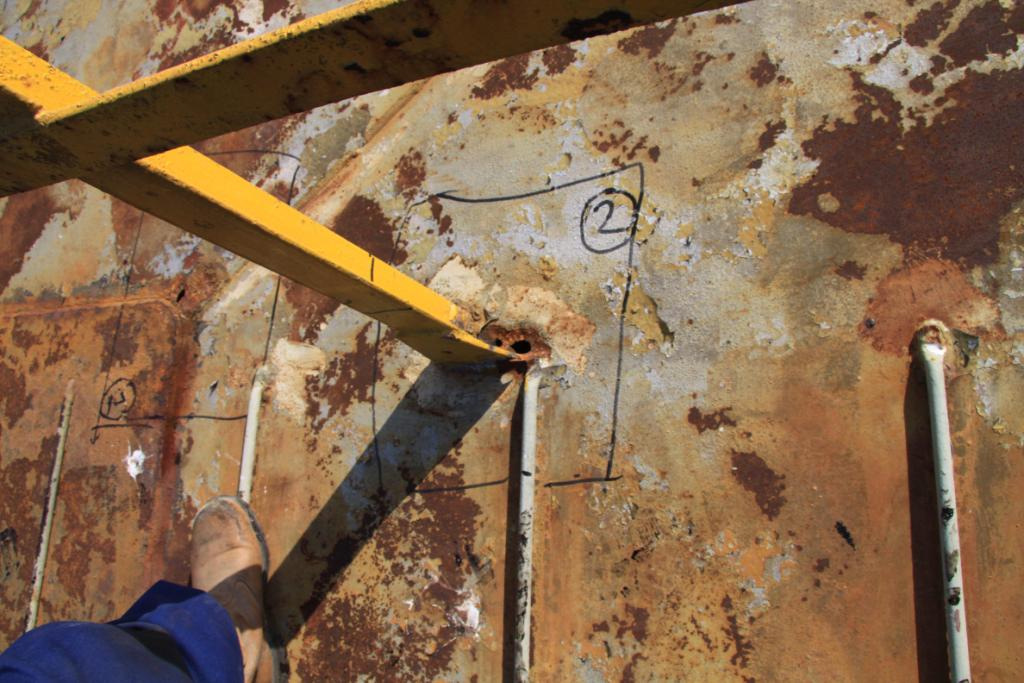
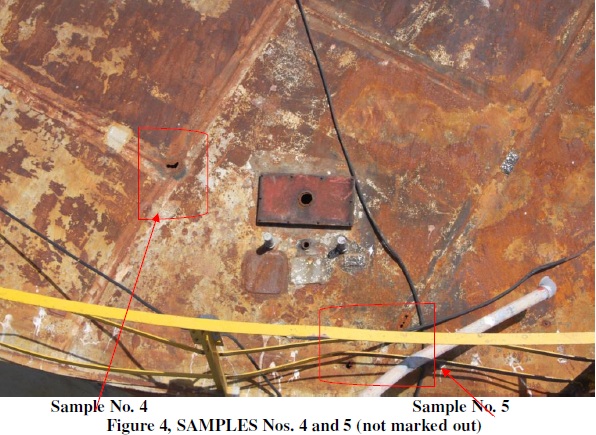
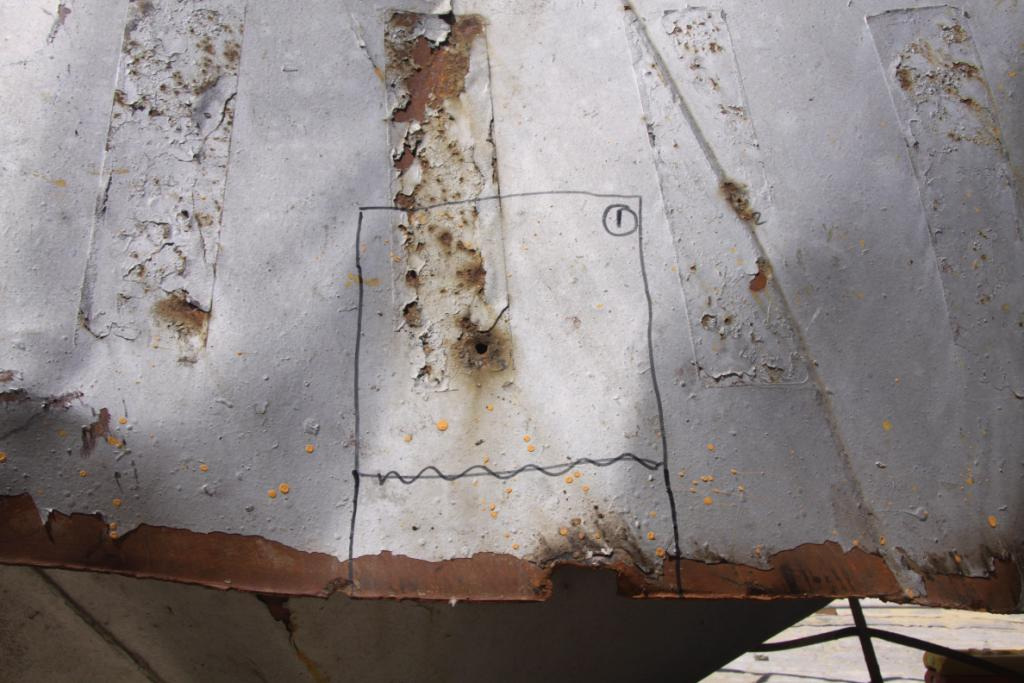
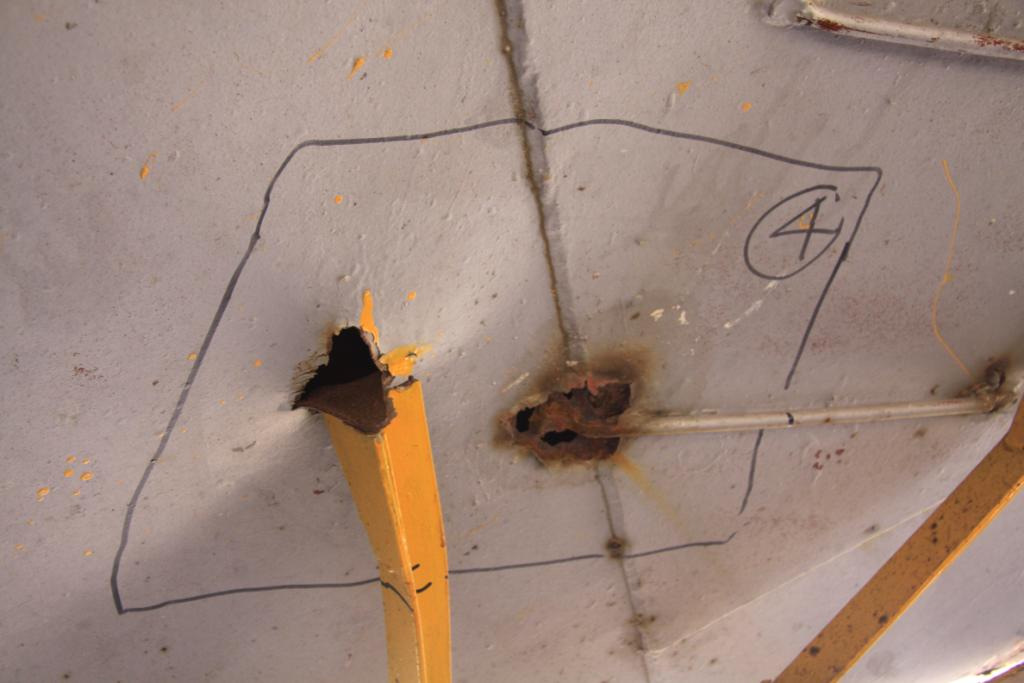
6. The examination of the roof section of Tank No1 revealed that it had over twenty (20) perforations of the plating, all of which had been caused by long term corrosion.
7. The examination of the roof section of Tank No 2 revealed that it had over forty (40) perforations of the plating, once again all of which had been caused by long term corrosion.
8. The main conclusion reached is that prior to the explosions and fire on 5/31/2011, the integrity of the both tanks would have been breached by many corrosion related perforations in the roof structure and that neither tank would have been hermetically tight.
Here are the documents (all PDF files) from the investigation:
- Visual and Close-Up Metallurgical Survey of Tanks 1 and 2 and Appendix
- Technical Matters and Appendix
- Procedural Matters and Appendix
Here are just a few of the photos showing the condition of these tanks… UNREAL!!