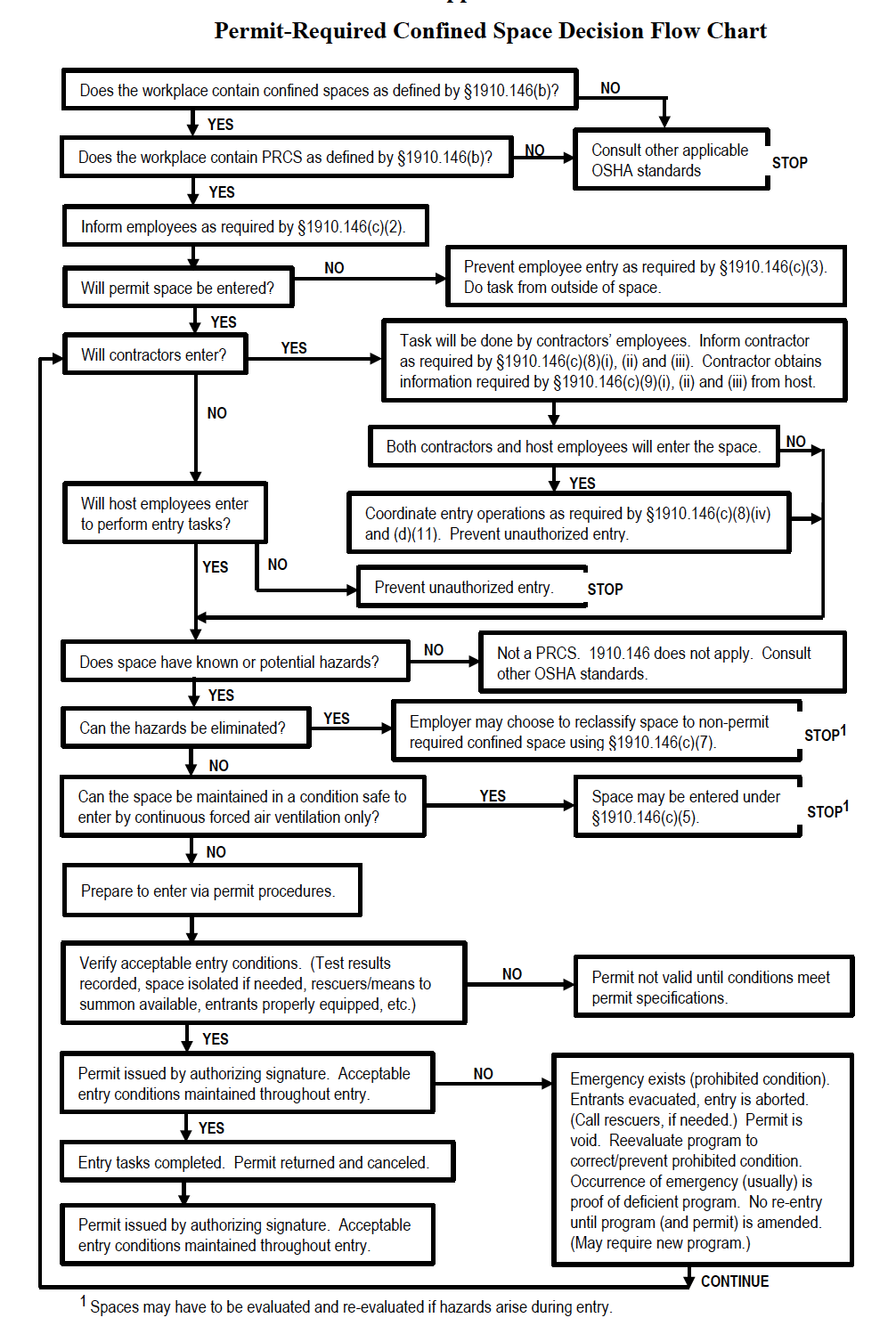
Does your entry procedures/practices allow for “misaligning or removing sections of lines, pipes, or ducts” as a means to isolate a PRCS? If yes, do your procedures/practices specify the length of “sections of lines, pipes, or ducts” that have to be removed in order to meet the intent of “isolation”? I can not recall where it came from, but we always used three (3) feet as our length of separation. For example, would you permit these spool pieces to be removed/rolled to isolate these lines into this space? NOTE: we will discuss the flange situation in a later post!
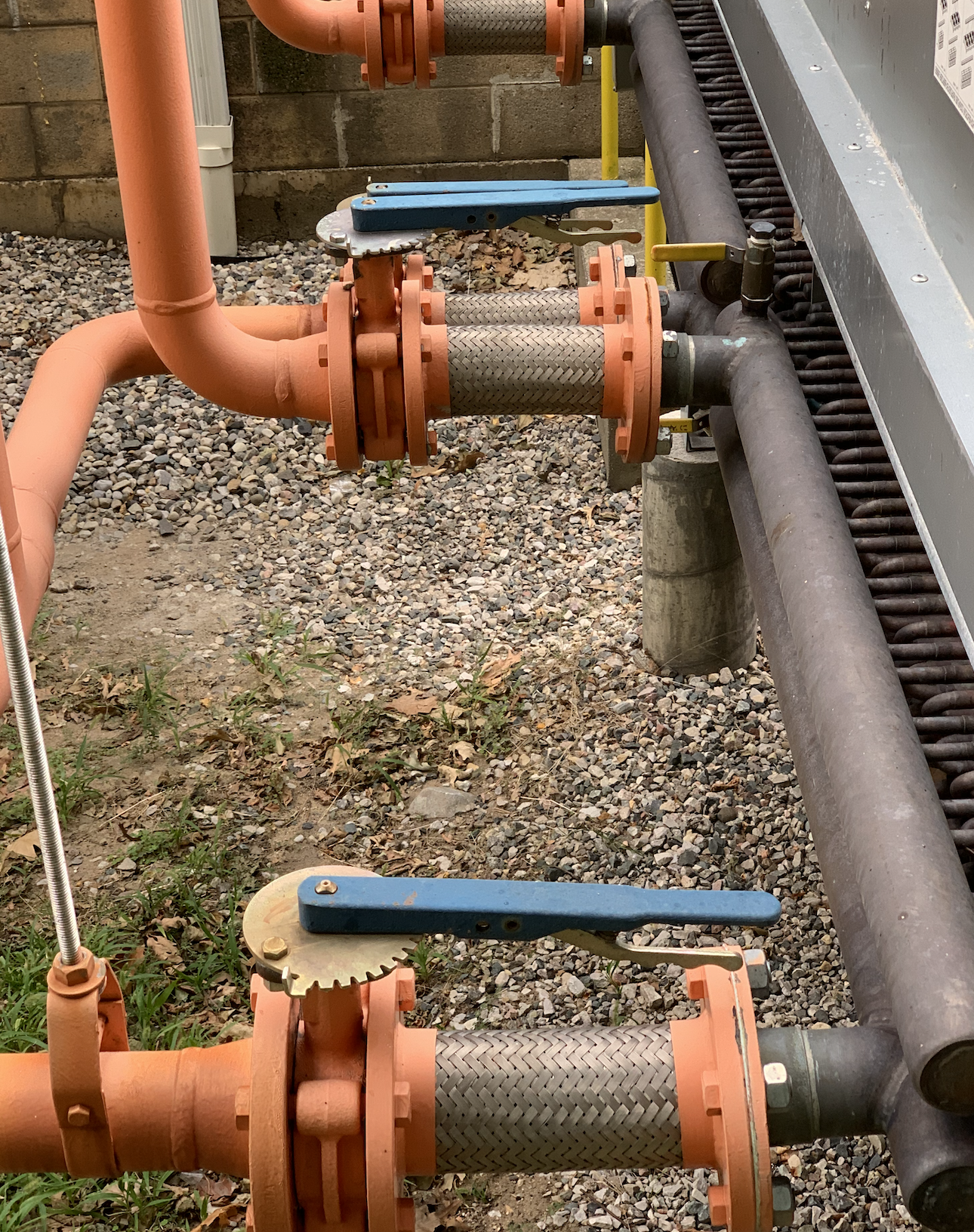
Those spool pieces/hoses are too short for me to count then as “removing sections of lines, pipes, or ducts“; however, they do provide for a means to isolate the space properly…
When we disconnect these spool pieces, the hose allows for the flange to hang down, thus we now have “disconnect and misalignment” and should anything get past the locked-out valve it will go to the ground and NOT into the PRCS.
As we have discussed before, the Line Break/Process Opening permit we obtained in order for us to safely disconnect and misalign these spool pieces, required up to lockout the valve upstream and verify the header was at a ZES. We leave the valve locked out during the entry for two reasons:
- It adds safety to the isolation of the vessel, and
- We know we will need the valve locked out to put the process back together to close out our line break permit.
And remember, put a lockout lock or a tagout tag through one of the bolt openings to secure the energy isolation method (disconnect and misalignment). We can include the locked out valve on our energy isolation worksheet if we want, but just realize a single valve is NOT an acceptable means of isolation for a PRCS. The official isolation for these lines is “disconnect and misalignment” and herefore this isolation MUST BE secured in its safe position and we do this by putting a lockout lock through one of the bolt openings on each flange – preventing anyone from connecting the flange during the entry.
Another trick we would use is when we have a double block, but no bleed, we would remove the valve closest to the space and replace it with a 90° flanged elbow point downward. We have created another “disconnect and misalignment” – just be sure to always point your 90° flanged elbow point DOWNWARD (just a lesson learned the hard way!)