
NTSB UPDATE: Upon arrival, the driver discovered the DOT 407 aluminum cargo tank was leaking and contacted his company to report it. NTSB officials say approximately 20 minutes later, the cargo tank exploded, separating the back compartment from the remainder of the cargo tank. The blast killed the driver and sent a plant worker to a hospital in Charlotte with burns and other injuries.
SAFTENG Note: 2NaOH + 2Al + 6H2O → 2NaAlO2 + 3H2 (Sodium Aluminate and Hydrogen gas)
On 4/7/26, a truck driver was killed, and a facility employee was severely burned when a Caustic (NAOH) tanker truck catastrophically failed. The reasons for the failure are unknown at this time, but pictures from the scene show the extent of the destruction.
Officials say the tanker operator was killed in the explosion. Another worker at the plant, who was assisting the operator at the time of the blast, was seriously injured with chemical burns and blast injuries and transported to the hospital. The explosion caused a secondary leak on a stationary nitrogen tank, which was contained.
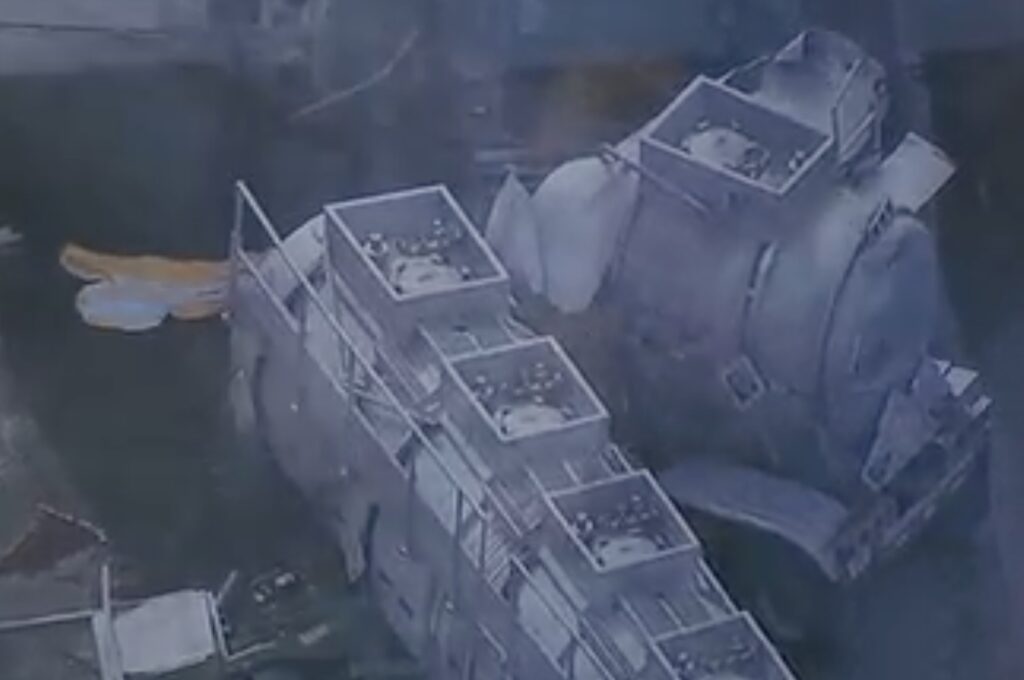
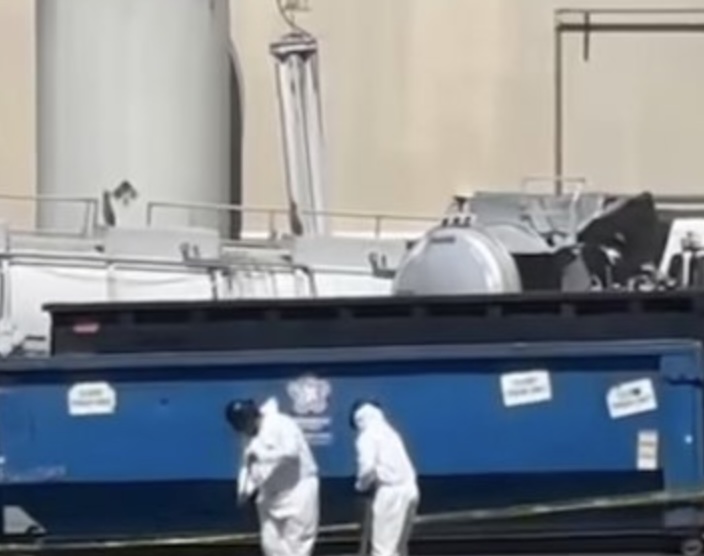
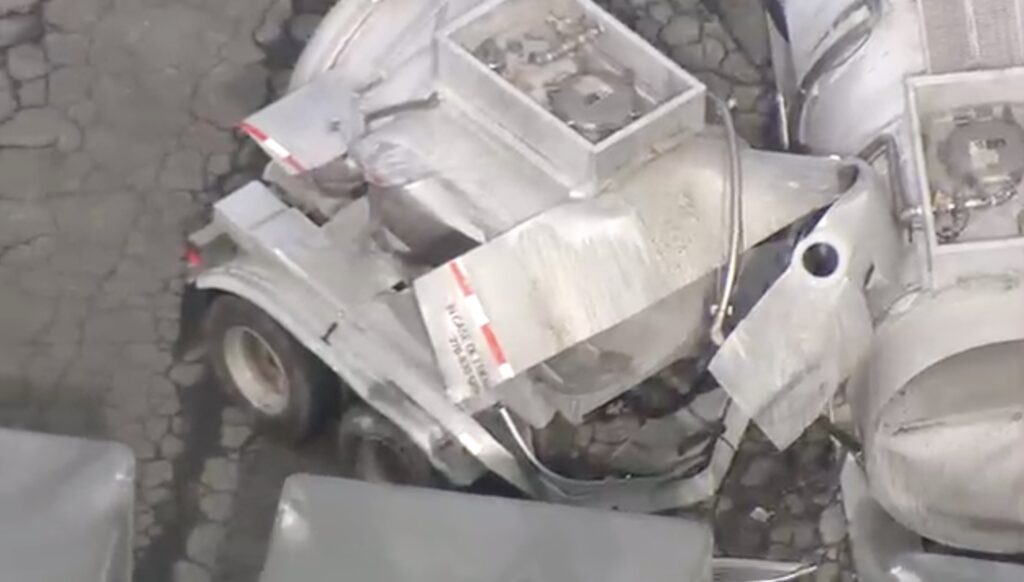
News Video
Caustic (sodium hydroxide or potassium hydroxide) should never be transported in an aluminum tanker.
Caustic soda (sodium hydroxide, UN 1824) is a strong base that reacts violently with aluminum, producing high heat and hydrogen gas, which is flammable and potentially explosive. Using an aluminum tanker for caustic service will cause rapid, severe corrosion, likely leading to tank failure.
Key Requirements and Safety Information:
Approved Materials: Caustic should be transported in carbon steel or stainless steel (304L or 316L) tankers.
Tank Type: DOT 412 or MC 312 tanks are typically used for corrosive liquids.
Temperature Limits: While carbon steel is commonly used, temperatures above 120°F (49°C) can cause accelerated corrosion of the steel and contaminate the caustic.
Reaction Hazards: The reaction between aluminum and caustic soda produces hydrogen, creating a severe fire and explosion risk, especially in enclosed spaces or near potential ignition sources.
Physical Contact: Caustic is highly corrosive to skin and eyes, requiring specialized PPE and safety procedures during transport.
If an aluminum tanker were used for caustic, this would violate DOT material compatibility regulations, leading to dangerous, non-accident releases of hazardous material.