
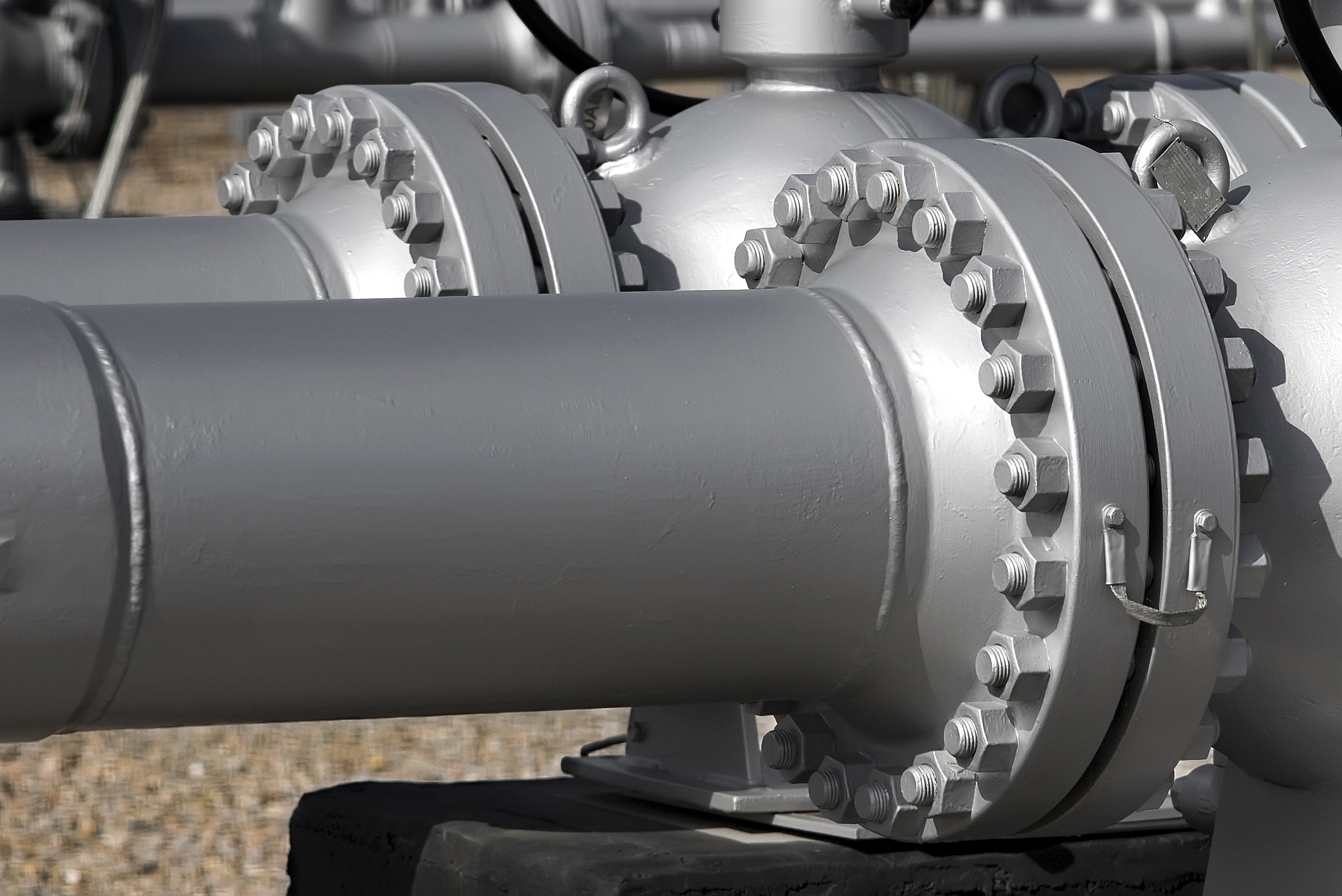
NFPA 77 and the use of jumper cables and star washers at flanges

Pipe Flange

Pipe Flange

One of, if not the most critical, aspect of flammable liquids/gases piping is the bonding and grounding of the piping. And unfortunately, this “safety system” is often neglected and not managed as a PREVENTION LAYER of protection. It’s not like we don’t have good guidance in this need; NFPA 77: Recommended Practice on Static Electricity is one of the best written and organized RAGAGEP published today. We also have some industry guides that also provide some specific practices for certain industries. So with ample guidance, how/why is bonding and grounding viewed as a lesser safety system? A few weeks back I posted an article about pipe flanges and in that article I discussed jumper cables (as one was shown in the picture with the article as shown here) and I got several inquisitive inquiries about those “jumper cables”. All the communications made it a point to remind me that NFPA 77 does NOT require “jumper cables and star washers” and to be honest – they are correct – well sort of…

NFPA 77 says the path to ground in our piping system can NOT exceed 10 ohms. This is the safe UPPER LIMIT for the grounding safety system in order for it to provide the level of safety needed. Don’t lose sight of this 10 ohms requirement.

The standard also goes on to say:

For flanged couplings, neither paint on the flange faces nor thin plastic coatings used on nuts and bolts will normally prevent bonding across the coupling after PROPER TORQUE has been applied.” However, care should be taken to avoid accumulation of excessively thick coatings of paint over successive paintings. (emphasis by me and there is that nasty phrase again… PROPER TORQUE!!!!

Jumper cables and star washers are not USUALLY (emphasis by me) needed at flanges. Star washers could even interfere with proper torquing. Electrical continuity of the ground path should be confirmed after assembly and periodically thereafter.

SAFTENG NOTE:  In the world of process safety and our adopted RAGAGEPs that phrase “continuity of the ground path should be confirmed after assembly and periodically thereafter” is a MUST rather than a “should” and we MUST establish the “periodically thereafter in our MI inspection/testing program.


So as we can see, NFPA is not a fan of jumper cables and/or star washers at flanges. But here is the catch… these devices are NOT needed when we can maintain our path to ground to less than 10 ohms. When we find that the path to ground is MORE THAN 10 ohms and we find the loss of continuity in our grounding path is occurring at the flange(s) then we MUST ensure that we can meet this MAXIMUM RESISTANCE to ground in order to ensure we have control of our static charges.

So yes, NFPA 77 does not require or even like the use of jumper cables and star washers – heck who does?? In fact, NFPA warns us about “star washers” as they can lead to confusion on torque values which can (and have) led to LOPC events at flanges. But sometimes they are a necessary evil to ensure our grounding system can meet the minimum design criteria! And when they are needed, they too become critical aspects of our safety system for the transfer of our flammable liquids/gases.

Bottom line… during your Pre-Start Up Safety Review, or maybe it is done as part of your piping installation inspection, if the path to ground from the piping system is 10 ohms or less then there is NO NEED to add jumpers or star washers at flanges. But when our path to ground is greater than 10 ohms, we have to take action to achieve this RAGAGEP safe upper design limit and the two most often tools to aid in this are jumper cables and star washers at flanges.

Last note to this discussion…

BEFORE we go an spend the $ and make our piping circuit more complex than we need, we MUST DOUBLE CHECK the flange(s) and their TORQUE values. 9 out of 10 times I have seen a break in the continuity of the path to ground it was because the flange was not torqued properly. We tend to find this during our pressure and leak testing, but there are times when the flange would pass BOTH the pressure and leak test but FAIL its continuity to ground test.

Scroll to Top