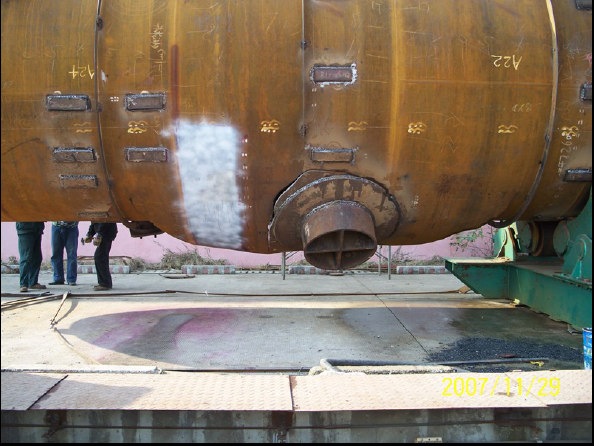
PHMSA has become aware of instances where marked and unmarked cylinders have being taken to recycling facilities for disposal while still containing compressed gases and other hazardous materials. Cylinders that have not been purged of their contents can pose a serious risk to health and safety. In the event of a catastrophic failure, the sudden release of compressed gas could cause the cylinder to expel shrapnel or become a projectile, resulting in extensive property damage, serious injury, or even death. Any cylinder still containing material should be considered hazardous. Cylinders are pressure vessels intended to hold compressed gases, and present two serious hazards – the pressurized cylinder itself, which has explosive potential, and the materials being stored within, which may be poisonous or flammable.
These cylinders are often steel or aluminum, but may also be made of fiber wrapped composite materials (commonly known as Composite Cylinders). The uses of these cylinders are expansive, and include welding, scuba diving, home healthcare, and food & beverage service. To ensure that these cylinders are safe for handling they need to be purged of all contents.
Recycling and Scrap Yard facilities should only accept cylinders that have been rendered incapable of holding pressure through methods such as:
- a hole drilled into the sidewall;
- the head valve has been removed;
- the cylinder is cut open to display the inner walls.
PHMSA recognizes that recycling facilities often do not accept hazardous materials and employees may not be trained on how to recognize the potential threats associated with the acceptance of compressed gas cylinders.
If you are in possession of a cylinder and are unsure if it is empty, or you have any other concerns, contact PHMSA’s Hazardous MaterialsInformation Center at 800-467-4972 or 202-366-4488. In the event that a cylinder containing a compressed gas is discovered, move it to a safe place (if it is safe to do so) and inform your Environmental Health & Safety Department. Persons handling or using cylinders should have basic training on-file with their department or supervisor. At a minimum, this training should include review of operating and safety protocols for tasks to be performed, review of appropriate Material Safety Data Sheets (MSDS), and hands-on training with someone who has experience handling compressed gas cylinders.
Incident Reporting
Incidents involving these cylinders must be reported in writing on DOT form 5800.1 by the person in possession of the cylinder (including storage incidental to transportation and handling) at the time of the incidentwithin 30 days. Information regarding reporting requirements and a guide for preparing a written incident report is available here.
Incidents involving death, serious injury, or other emergency circumstances such as facility evacuationsmust be reported within 12 hours to the National Response Center (NRC) at 1-800-424-8802 (toll free) or 202-267-2675.