
Both OSHA and EPA require PSM/RMP facilities to include procedures for “responding to small releases” in their Emergency Action Plans
|
1910.119(n) Emergency planning and response The employer shall establish and implement an emergency action plan for the entire plant in accordance with the provisions of 29 CFR 1910.38. In addition, the emergency action plan shall include procedures for handling small releases. Employers covered under this standard may also be subject to the hazardous waste and emergency response provisions contained in 29 CFR 1910.120 (a), (p) and (q). |
Most of my clients will utilize the following in their “procedures for handling small releases”:
![]() |
+ | ![]() |
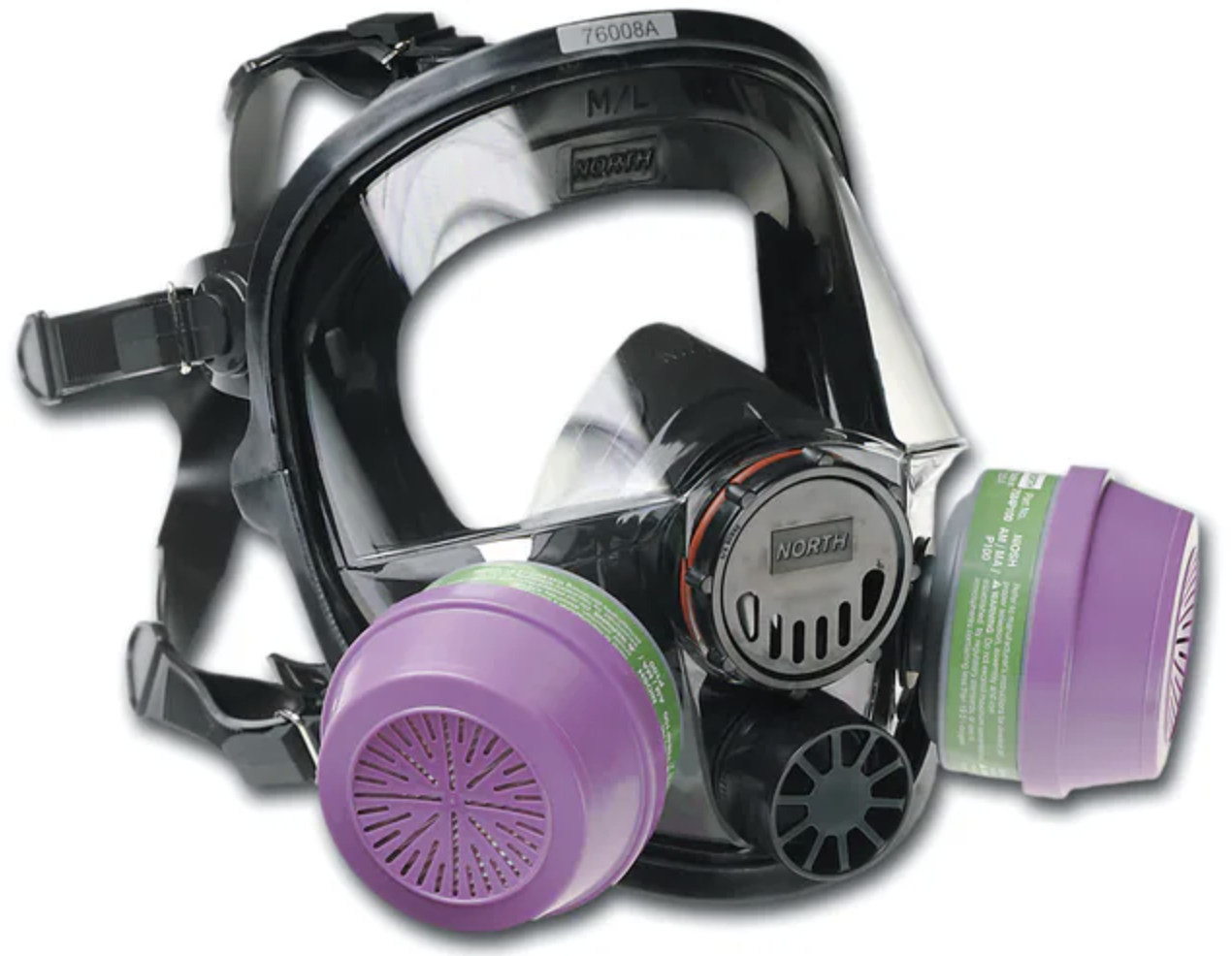
The response to the odor complaint or a low-level detector alarm will utilize a Full-Face APR with the proper cartridges (I always require fresh/NEW ones!) and a personal detector for the chemical involved. We define a “small release” as one below the IDLH of the chemical involved.
The detector informs the person investigating the release when he/she nears an exposure at the IDLH concentration. The IDLH is the breakpoint for our procedures, as we can NEVER enter an IDLH atm using an APR. We are also PROHIBITED from “responding” to an uncontrolled release that rises to one needing an “emergency response” without it being a FORMAL response under an IC and meeting our Emergency Response Plan (ERP) requirements.
However. as long as we can stay within the limitations of our training and PPE (e.g., <IDLH), we can manage this “small release” as one that is “incidental” and manage it as a “maintenance task.” But here is the kicker, as stated in the HAZWOPER CPL…
Once we can no longer perform the needed actions outside of an IDLH atm, we MUST back out and declare the release as needing an emergency response. We may still perform emergency shutdown/emergency operations as defined by our PSM/RMP SOPs, but EVERYTHING after we have determined the releaser to be more than “incidental”, our actions MUST be done under the direction of our Incident Command.


