
The arrangement below is very common in processes/systems. This simple yet common arrangement causes havoc in hazard analyses. As the title states, is this arrangement managed with a Temporary SOP, a Car-Seal, or Both?
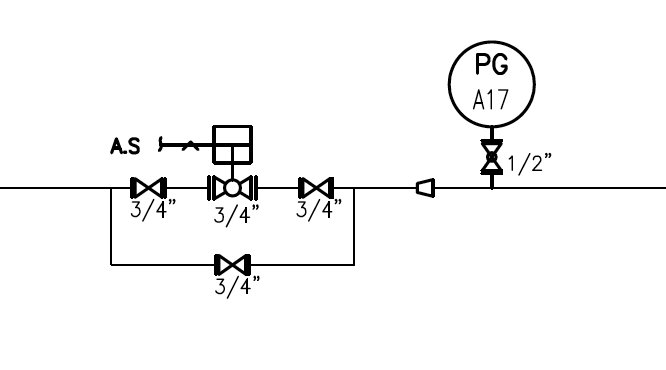
The issue is that the motorized valve is tied to a Hi-Hi level alarm and interlock. When the vessel archives its Hi-Hi level, the interlock CLOSES the motorized valve to STOP flow to the vessel. However, in this instance, the 3/4″ bypass valve was OPEN; thus, flow did NOT STOP as intended.
Far too many claim they do not have “Temporary Operating Procedures.” They may not have any, but that does not mean there is not a need for them.
In the arrangement above, it is a perfect example of when a Temp SOP would be needed. Or we could use the Car-Seal program to ensure the By-Pass valve remains CLOSED. And when it needs to be OPENED, there is an Administrative Control to deviate its position to OPEN AND to ensure it gets CLOSED when the need for it to be OPEN is over. And for those who may not be familiar with Car Seal programs, the CODES (ASME and NBIC) require the deviated valve to be “manned” the entire time it is in its UNSAFE/Deviated position.
Some clients will apply BOTH administrative controls to this by-pass valve. I am not a fan of using BOTH, but past incidents can drive an organization to make such decisions.