
We have an uncontrolled release from our PSM/RMP covered process today, February 5, 2019. We have trained for this day. We have inspected our gear, well most of it, each month for years. We don our LEVEL A suits, which have been pressure tested annually and cared for per every single manufacturer’s requirements. Under our LEVEL A’s, are our SCBAs; again inspected and maintained per every single requirement put forth by the manufacturer. Training… heck we train monthly for 2 hours and even do an annual 24-hour HAZMAT course and out IC’s go through 16 additional hours. The day we have prepared for has arrived and we are so full of our selves – knowing that we have done it right. But there is always that little gnawing feeling as they’re zipping you up inside the LEVEL; from the Decon Techs – to the IC – to the HAZMAT Tech being zipped up, we have that little safety birdie that sits on our shoulder reminding us of all those training moments that we had forgotten until this moment. We join hands and walk where only crazy men/women walk… into the promised land of a HAZMAT cloud. I can remember each and every one of my times (and there are nearly 100) just like I can remember the birth of my children (only two). My partner and I arrive at the leak point and prepare our equipment, of which we are so proud to have; we look down as we are assembling the MOST CRITICAL PART of our response only to see this… (the moment when you look at each other and begin doubting the LEVEL A and SCBA you are wearing!)
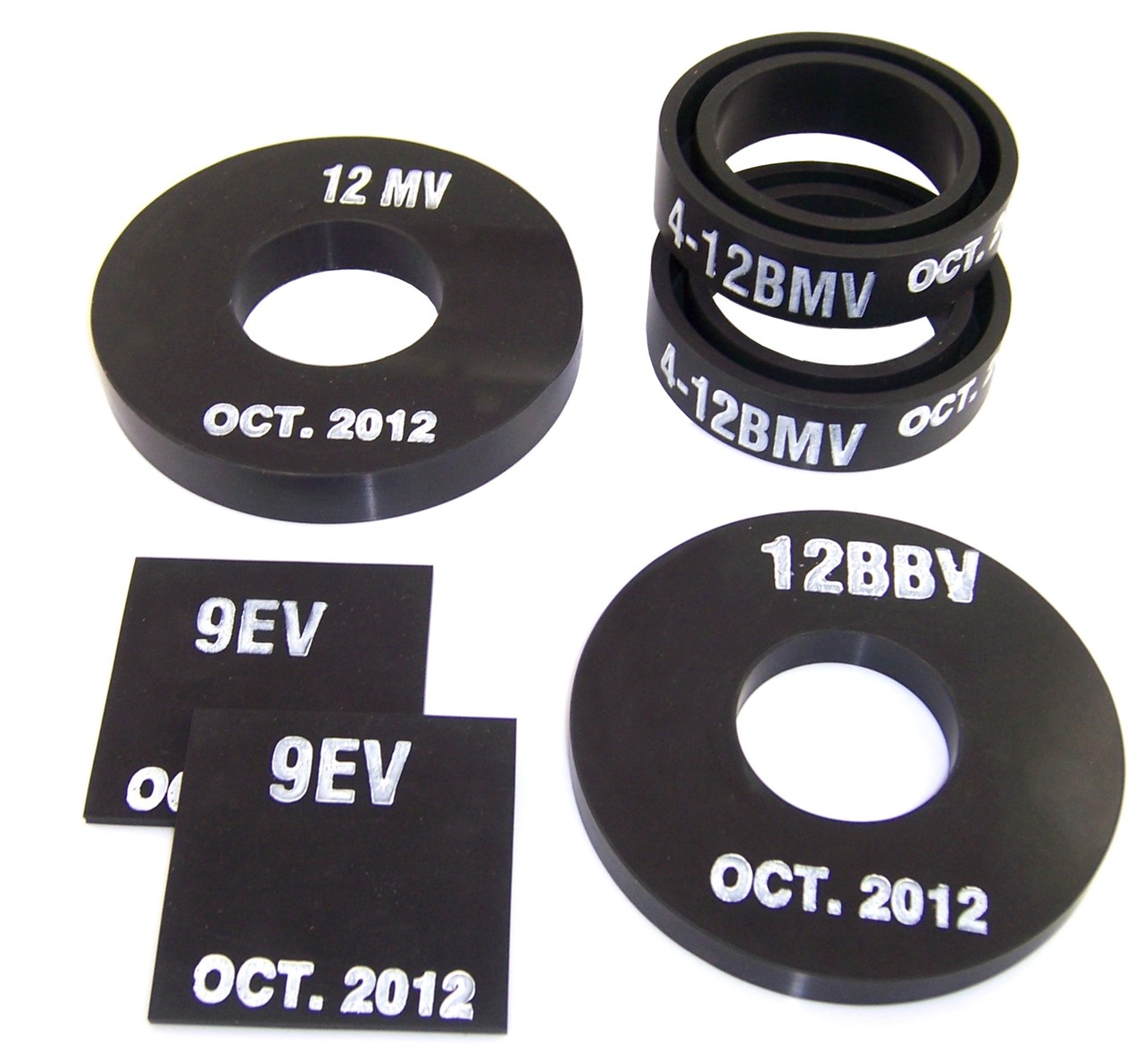
Emergency Responders: Why has my day, today February 5, 2019, just gone from bad to worst-ever?
To the trained Chlorine responder, we recognize the date stamps on our Viton Gaskets. The date stamps are the “date of manufacture” for the gasket and yes, these gaskets have a “shelf-life”. In fact, the reason why my day is the worse ever is that the gasket’s shelf-life is only four (4) years! They were made in October 2012, so what should have happened in October 2016 (over two years ago)? We should have replaced them!!!! They tend to lose their elasticity/flexibility over time and a brittle/less flexible gasket that is intended to be the “seal” that stops the Chlorine leak is not something we would like to take a chance on.
So how did we end up in this mess?
Most often, we find facilities that will spend the $2,500 – $3,000 on the “Kit” but then neglect it till that day it is needed. But we also come across those facilities that will produce a monthly inspection report that the kit is where it is supposed to be and still sealed to show it has not been tampered with. Very few facilities take the time to enter the Kit’s parts into their Mechanical Integrity Inspection program so that the CMMS will track the age and needs of these gaskets. Heck, I would even go as far as saying that some of you reading this now, did not realize that these gaskets had to be replaced every four years, a potentially life-saving investment of $400!!!! So it’s not about the money, its all about KNOWING the LIMITATIONS of our equipment – just like knowing the limitations of our PPE, we must also fully understand the limitations of ALL our response equipment – especially that of which will be in direct contact with our HAZMAT and will be solely responsible for sealing the leaking container!
7. KIT MAINTENANCE
…
(Emphasis is NOT by me, but is actually in the Kit Manual Instructions)
7.2 ROUTINE
The kit should be frequently inspected by the person responsible for the equipment and checked with the contents list to insure that equipment is complete and ready for use.
The box should be sealed after each inspection and such seals should be broken only by authorized persons or in case of accidents. Many owners coordinate routine
inspection with training drills.
All Viton E® gaskets are stamped with the date of manufacture and should be removed from emergency use after a four-year shelf life. For further guidelines concerning the Viton E® gaskets, consult the manufacturer or The Chlorine Institute.