
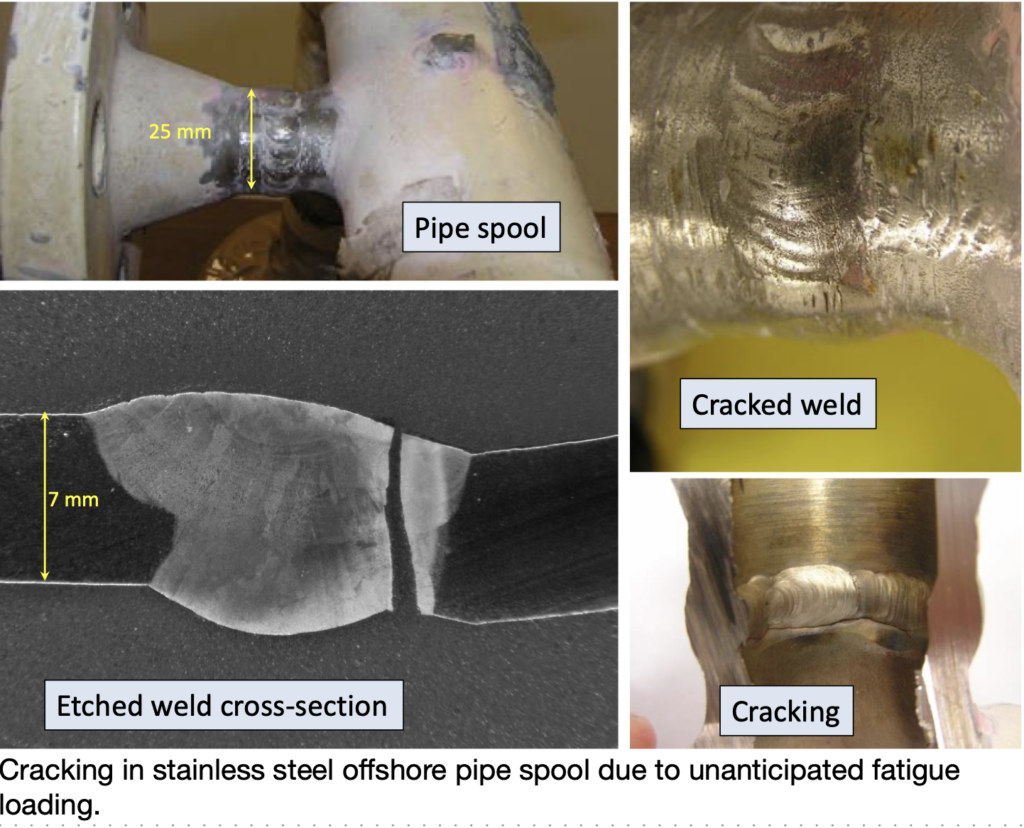
HSE has identified inconsistencies in the application and supervision of welding of safety-critical metallic components, leading to failures with high consequences. Examples include loss of containment of dangerous substances, major structural collapses, and fatalities. HSE specialists carried out a study to identify common causes of these and to highlight priority areas for improvement of weld quality in the industry. Cases from HSE’s historical investigations and provided by external organizations were assessed. Forty-seven individual incidents in which the weld quality was a contributory factor were identified. These were reviewed against a range of causal types, and computer analysis was carried out to identify the primary contributory factors. Case studies were developed to illustrate the key findings and a visual set of examples of welding defects compiled.
Findings: