
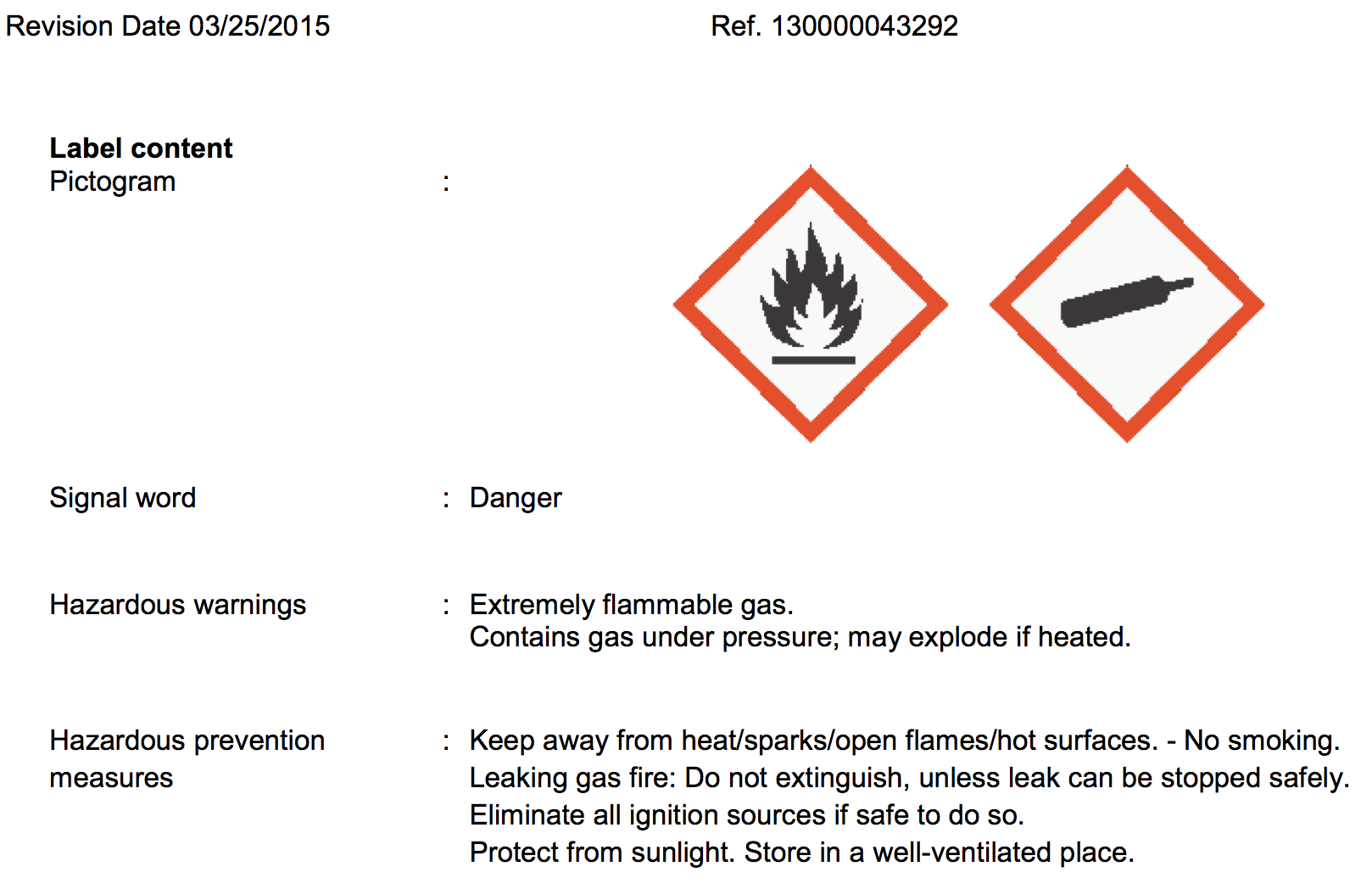
No, your car will not be a “covered process” under PSM, but only because it will NOT have 10,000 pounds of this Category 1 Flammable Gas. But this new refrigerant is coming and it will be in your car’s air conditioning very soon! A lot of the literature for this new refrigerant uses phrases like “XXXXXX can be described as being “mildly flammable” as measured by standard methodology”, yet the manufacturer’s SDS looks like this:
Heck, we have even seen storage tanks labeled with an NFPA Diamond using a “2” for flammability, since this material was stated to be “mildly flammable”. By the way, the Fire rating for this material is a “4”, not a “2”.
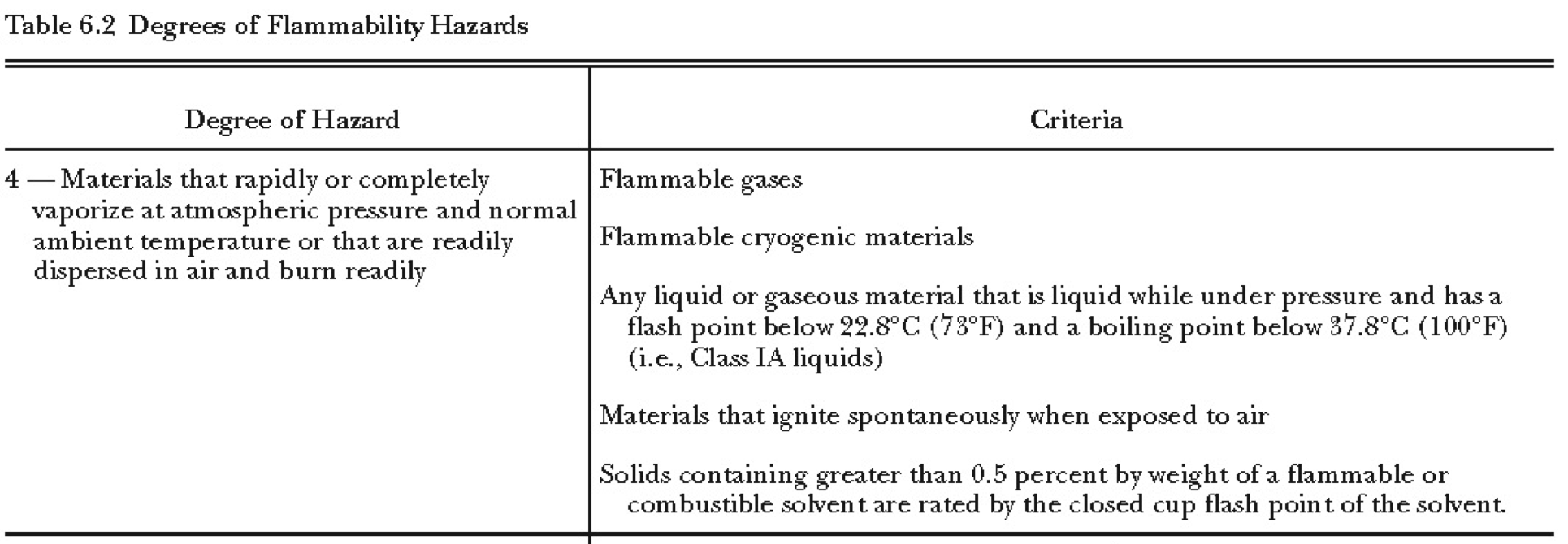
So as we can see, this material is a PSM covered flammable gas and if the car manufacturer(s) have over 10,000 pounds in their process (and many do or will soon) their process will be covered by PSM. This is a major shift in risks for many of these manufacturers as they have never had PSM or RMP covered processes before (i.e. large quantities of flammable gasses in a single container). But here’s the thing… this material is so new, there are no Recognized and Generally Accepted Good Engineering Practices (RAGAGEP) specific to this chemical and the storage and delivery systems being installed as I write this and this could lead to some compliance issues down the road. Here is some of the literature available for materials of construction considerations. Notice the language in this information and USELESS this actually is to an engineer chartered to design a PSM-covered process?
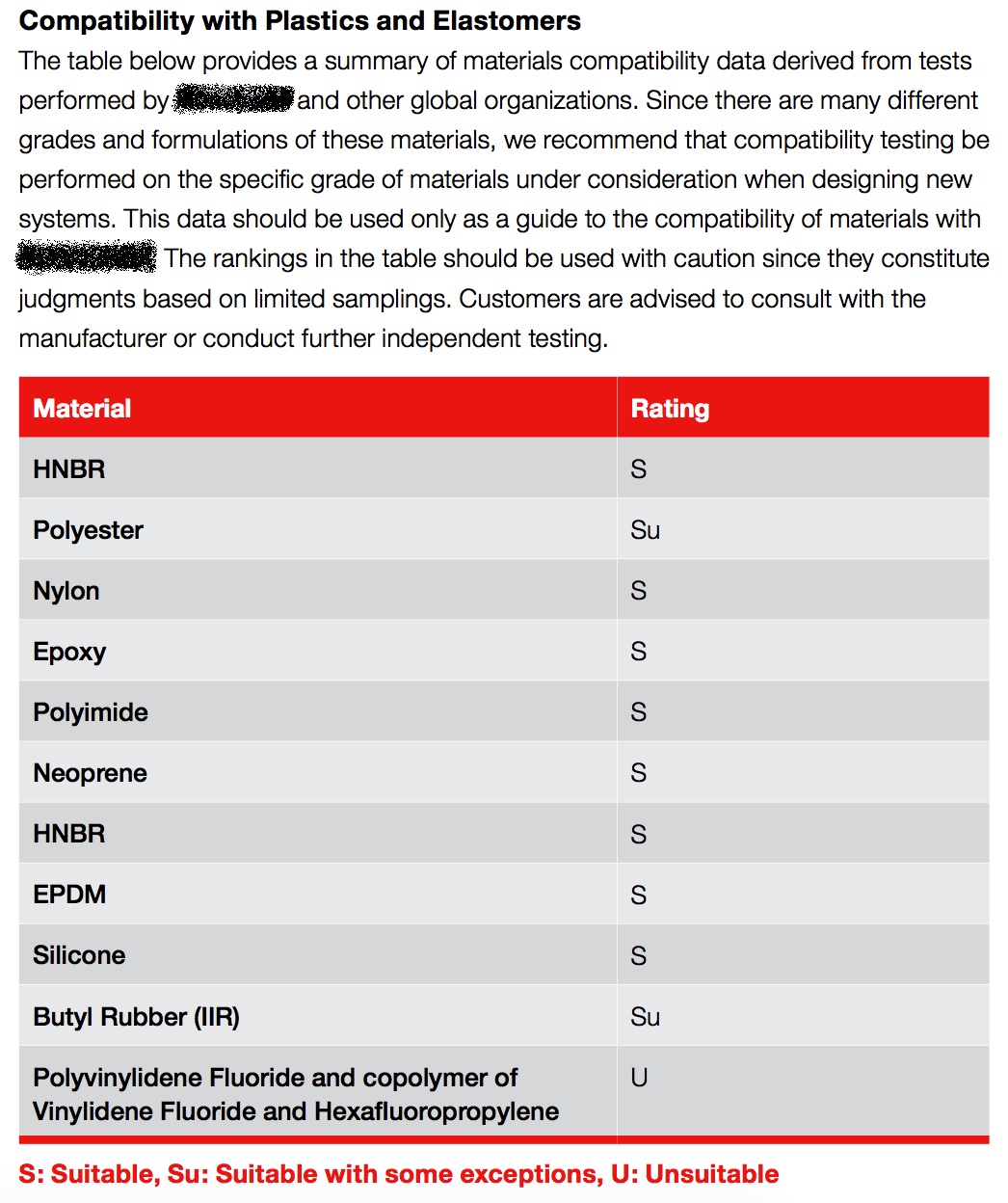
NOTE: Yes I have blacked out the company and the HHC.
For example:
Pressure Vessels – the tanks we have seen so far were built to ASME Section VIII criteria, but what should the MAWP, MDMT, be? Material of Construction for the tank?
Piping – What will your piping RAGAGEP be? Which ASME B31 standard will apply?
ASME B31.5 – 2013 – Refrigeration Piping and Heat Transfer Components?
ASME B31.3 – 2012 – Process Piping?
What are the acceptable materials of construction for the piping, hoses, gaskets?
One of the major manufacturer’s of this new refrigerant has published a “safety guide” and in this guide, they provide a checklist. Some of the items on the checklist ask:
Is the tank car unloading hoses in good condition and constructed of compatible materials for XXXXXXX?
Are all elastomeric parts (seals, gaskets, etc.) compatible with the product?
Are all gaskets and valve internal materials compatible?
Do maintenance personnel know the materials of construction compatible with this material?
Yet nowhere in this “guide” does it actually state what the acceptable “materials of construction” for this material are. The manufacturer’s SDS makes no mention of acceptable materials of construction, so with both the “guide” and the SDS not mentioning acceptable materials of construction, where will users of this material turn to the document that equipment complies with recognized and generally accepted good engineering practices?
Relief system design and design basis – Which code will be used to size our relief valves? This is a Category 1 Flammable Gas, which means it is in the same Category as Propane, Hydrogen, etc.
So many questions and yet so few answers! So SAFTENG is now working with several major car manufacturers in their design, facility siting, programs, etc. to prepare them for their new PSM-covered process. So far it has been fun and challenging and we hope to set the standard for process safety in the automobile industry.