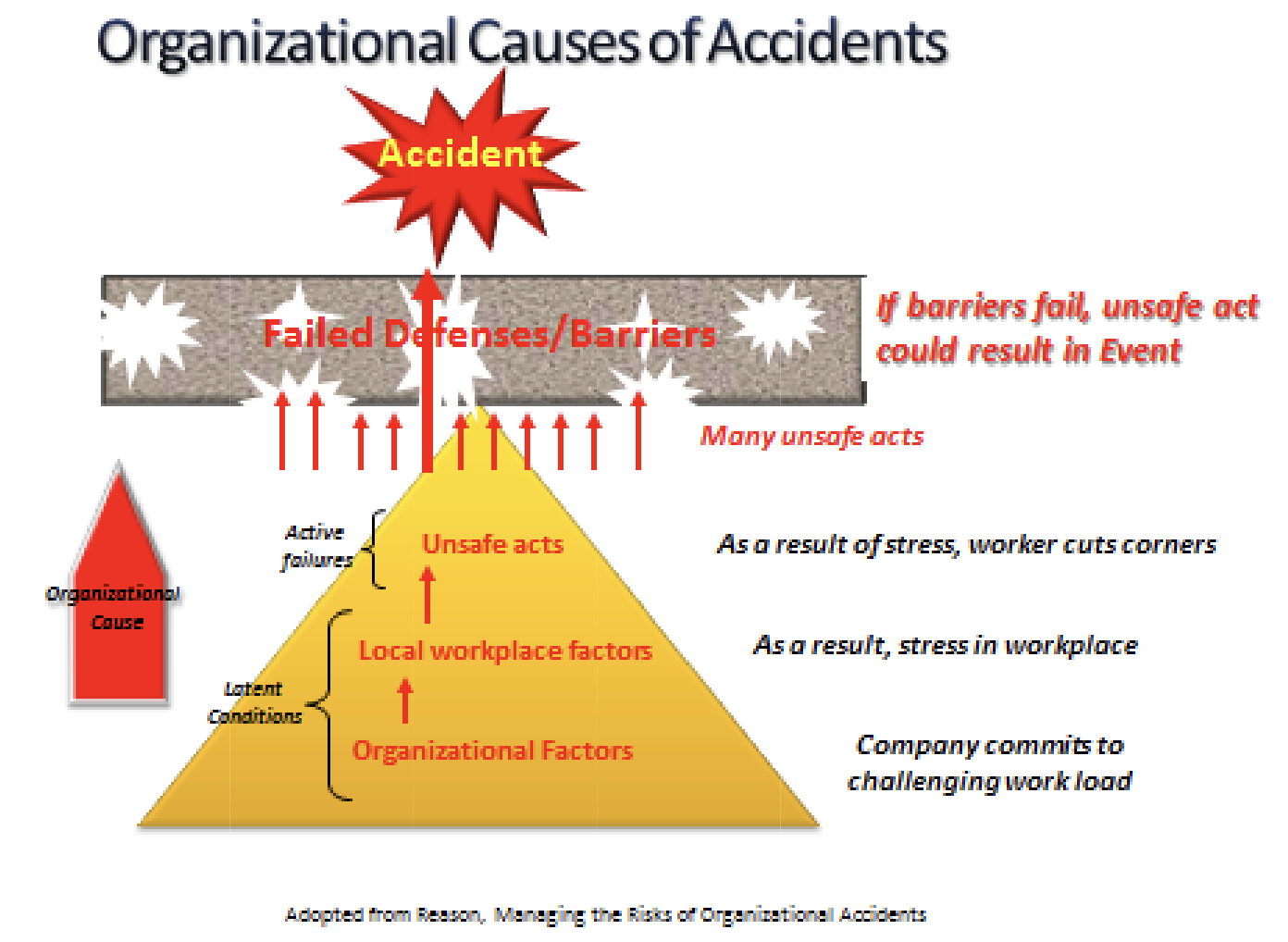
In today’s work environment, many management teams need some guidance on determining if an unsafe act warrants re-training, accountability, or it was a system-induced error. Here is a simple flow chart that can help establish what type of action could be called for based on the facts from the investigation.

Neil Johnston’s substitution test is in keeping with the principle that the best people can make the worst errors. When faced with an accident or serious incident in which the unsafe acts of a particular person were implicated, we should perform the following mental test.
Substitute the individual concerned for someone else coming from the same domain of activity and possessing comparable qualifications and experience. Then ask the following question:
In light of how events unfolded and were perceived by those involved in real-time,
is it likely that this new individual would have behaved any differently?
If the answer is PROBABLY NOT, then, as Johnston put it, … apportioning blame has no material role to play, other than to obscure systemic deficiencies and to blame one of the victims.
A helpful addition to the substitution test is to ask of the individual’s peers:
Given the circumstances that prevailed at that time,
could you be sure that you would not have committed the same or similar type of unsafe act?’
If the answer again is PROBABLY NOT, then the blame is inappropriate.
Source: Managing the risks of organizational accidents by James Reason, 1997