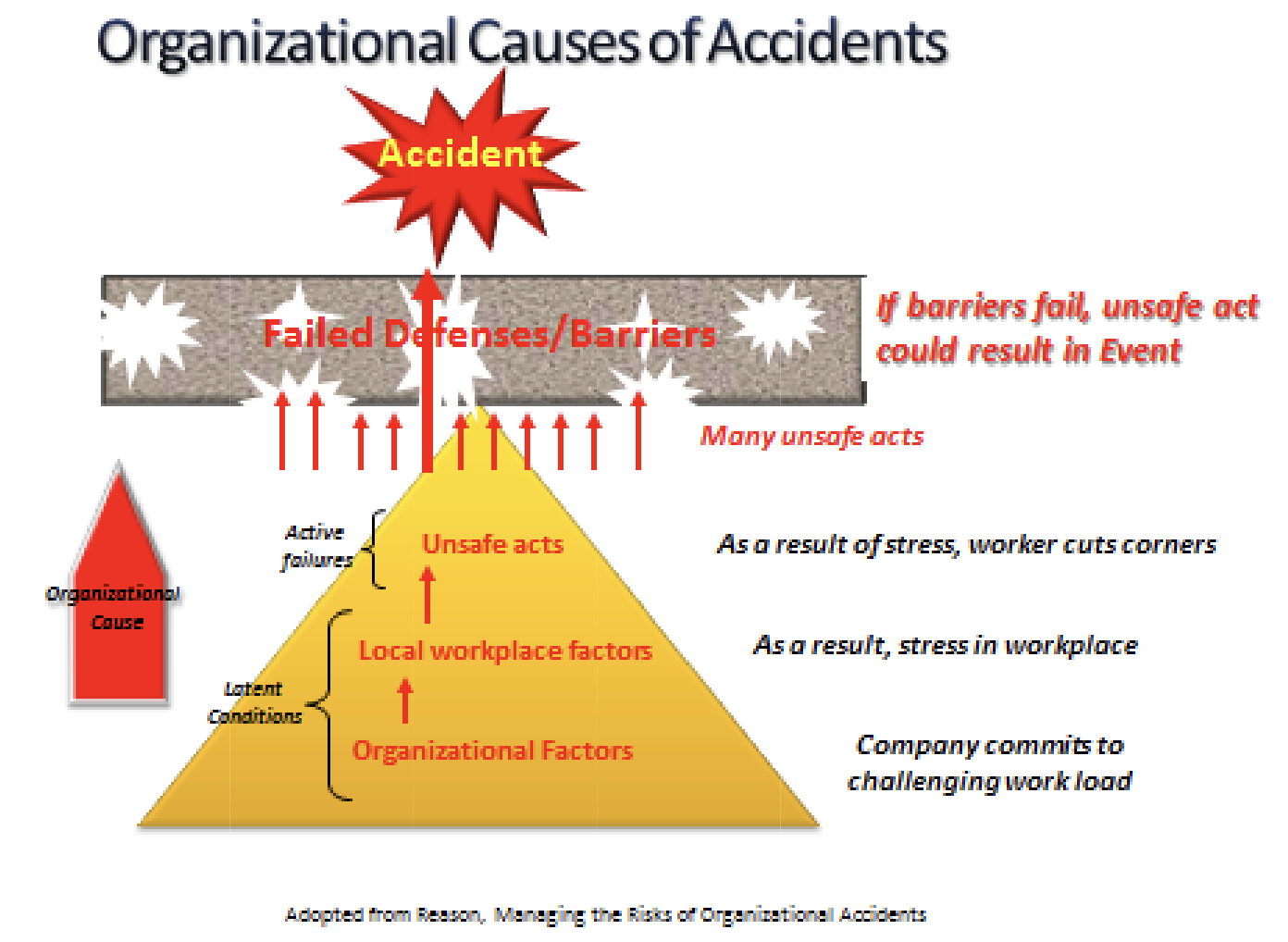
Several organizational characteristics can feed organizational silence:
Managerial illusions: managers can believe that the situation is under control simply because of the number of procedures. They can also believe that failure to follow a procedure is the only possible mechanism that can produce accidents. This discourages feedback about situations where procedures are difficult, time-consuming, or inadequate.
Managers don’t understand the situation in the field: an employee will be reluctant to report a hazardous situation if the manager lacks the technical knowledge and experience needed to be able to understand the subtleties of a problem.
Normalization of deviance: when there are so many rules that it is impossible to follow them all, it becomes realistic to break one of them. The boundary between normal and degraded situations becomes blurred, and deviations become mundane. When what is prescribed is incompatible with day-to-day reality, most actors in the field take refuge in silence. In this way, they can maintain the room for maneuvering they need to be able to do their job at an acceptable human cost.
Sanctions policy: if, in some cases, reporting hazardous situations or errors is punished, it is likely that a wall of silence will soon follow. Different reactions between managers and in different situations are a particular problem.
Lack of response: why continue to provide feedback if nothing is done about it? Or (which applies equally to employees) if the action that is taken is not communicated to the person who made the report?
Source: Organizational silence: the best enemy of safety, François Daniellou, 2017