
On September 5, 2023, at approximately 7:30 p.m., an accidental release of butadiene vapor occurred inside a decanting tank (“tank”). The butadiene vapors ignited, resulting in a fire that seriously injured one employee. The incident occurred in a latex production area during a maintenance shutdown. Employees were tasked with removing an internal part (a “baffle”) at the back of the horizontal tank (which was approximately five feet in diameter and nine feet in length). The facility’s procedure stated that the tank should be cleaned using high-pressure water to remove any accumulated solids before entry. However, this procedure was not followed, and residual solids remained in the tank, potentially containing butadiene.
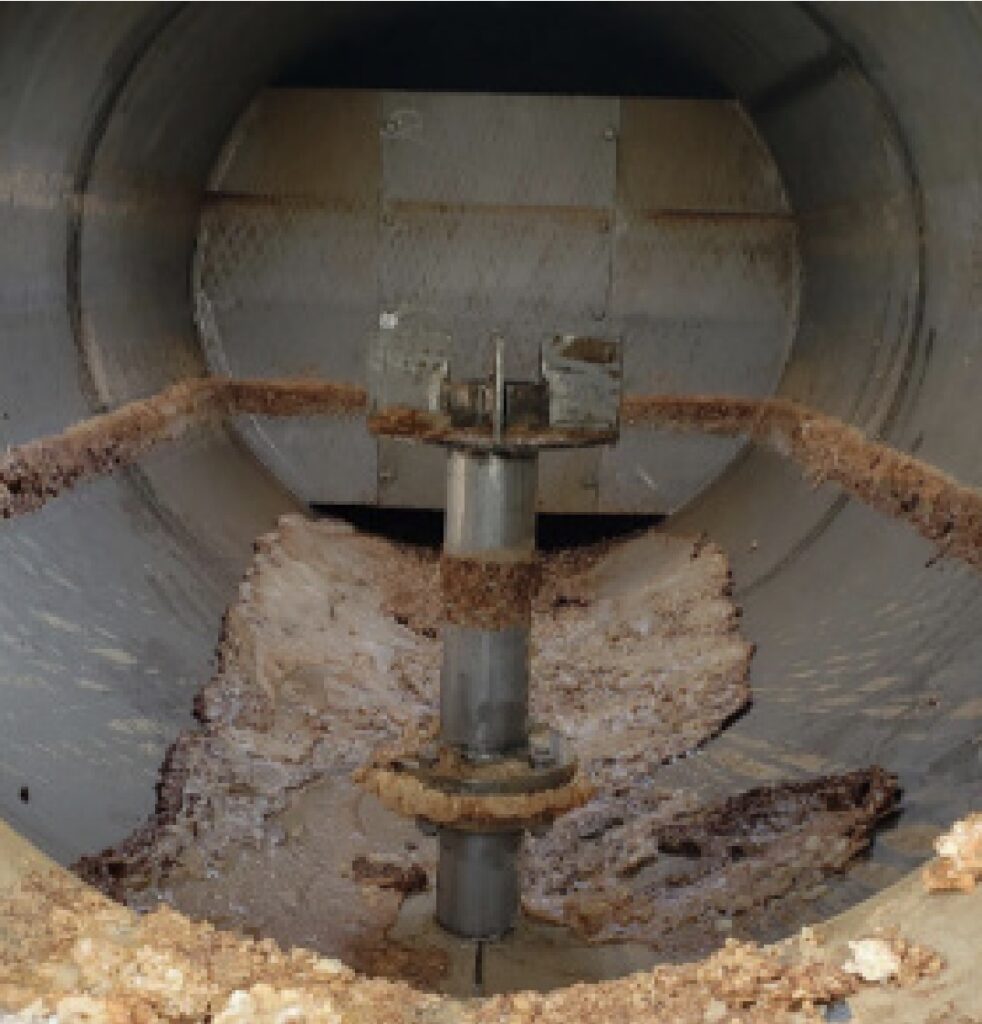
The work inside the tank disturbed these solids, likely releasing about two pounds of butadiene vapor, creating a flammable atmosphere in a portion of the tank. In addition, while continuous monitoring of the confined space was conducted during entry, the end of the air monitor hose was NOT near the bottom of the tank, where the solids were located, which likely prevented the 5-gas detector from detecting flammable butadiene vapor.
Leading up to the incident, two (2) workers received a confined space permit and a safe work permit to remove the baffle with hand tools after the area was monitored with a gas detector. One worker entered the tank (“entrant”) while the other remained outside the tank (“attendant”). The entrant could not remove the bolts holding the baffle in place with hand tools and switched to a battery-powered tool, which likely ignited residual butadiene vapors, resulting in a fire. The entrant suffered burn injuries from the fire but was able to escape and was escorted to a safe area by the attendant. The injured worker was transported and admitted to a hospital for medical treatment. Two (2) other employees were able to put out the fire.
Probable Cause
Based on the facility’s investigation, the CSB determined that the probable cause of the incident was work performed in a confined space with a flammable atmosphere. Inadequate flammable gas monitoring, the use of a battery-powered tool, and employees’ unawareness that the facility had a procedure requiring the tank to be cleaned before entry contributed to the incident.
Source: https://www.csb.gov/assets/1/6/incident_reports_volume_2_2025-03-12.pdf