
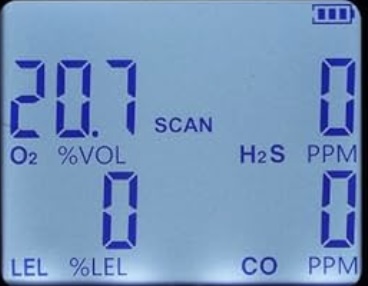
Low humidity makes most LEL (Lower Explosive Limit) detectors read lower than they should, because catalytic‑bead sensors depend on moisture for heat transfer and baseline stability. This can lead to under‑reporting of gas concentration, slower response, and—in extreme dryness—temporary sensor desensitization.
Below is a clear, technically grounded explanation based on how LEL sensors work and what humidity does to them.
Most LEL detectors use catalytic bead sensors, which rely on:
- A heated platinum coil
- A catalytic surface
- A Wheatstone bridge circuit that measures resistance changes when gas oxidizes on the bead
Humidity affects heat transfer, baseline resistance, and gas diffusion around the bead.
Reduced heat transfer → lower readings
Catalytic beads operate at 450–500°C and depend on ambient moisture to help stabilize heat flow.
When humidity is very low:
- Less water vapor means less thermal conductivity in the air
- The bead runs slightly hotter than expected
- The Wheatstone bridge sees a smaller differential signal
Result: The detector under‑responds, showing a lower %LEL than the actual concentration. This effect is consistent with how catalytic sensors compensate for environmental temperature/humidity changes using a reference bead.
Dry air increases static charge buildup. Static discharge near the sensor can:
- Momentarily disrupt the Wheatstone bridge
- Cause transient false alarms or dropouts
- In rare cases, damage sensitive electronics
This is not a gas‑chemistry effect but an electrical stability issue.
Low humidity slightly changes the density and viscosity of air. This can:
- Slow diffusion of gas into the sensor chamber
- Delay the catalytic oxidation reaction
Result: Slower response time, especially for heavier hydrocarbons. Catalytic sensors already respond more slowly to large hydrocarbons due to diffusion limits.
Catalytic beads are highly vulnerable to silicones, sulfur compounds, and halogenated vapors, which permanently reduce sensitivity.
Low humidity doesn’t cause poisoning—but it increases exposure risk.
SOLUTION:
IR‑type LEL sensors are not affected. If your detector uses infrared (IR) LEL sensing, humidity has almost no effect because IR sensors:
- Don’t rely on oxidation
- Don’t require oxygen
- Aren’t affected by heat‑transfer changes
IR sensors are recommended for environments with variable humidity.