To: Metal and Nonmetal Mining Alliance Partners and Stakeholders
From: Neal H. Merrifield, Administrator for Metal and Nonmetal Mine Safety and Health Mine Safety and Health Administration
Re: Confined Space Entry Alert Unsafe work in confined spaces has led to miner deaths and injuries in the metal and nonmetal mining industry.
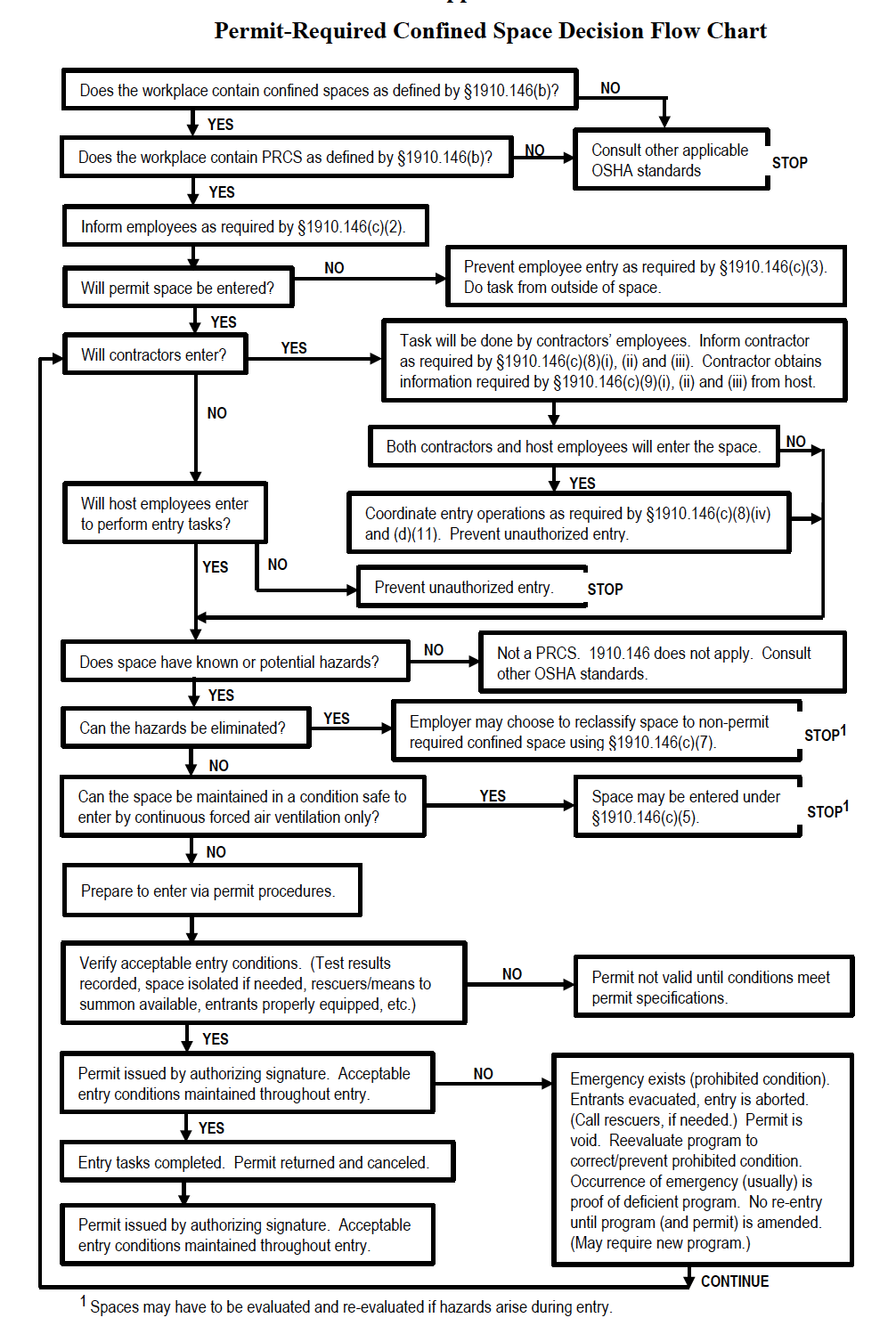
Recent tragic incidents include: a fatality while cleaning the inside of a tanker railcar and a miner being severely burned during maintenance inside a baghouse screw conveyor hopper. To address these regrettable occurrences and help prevent similar instances in the future, MSHA will be placing special emphasis on enforcing its standards related to entering bins, hoppers, silos, tanks, and surge piles. MSHA and the Industrial Minerals Association-North America (IMA-NA) have engaged the issue of confined spaces as a project within the Alliance between the two organizations. We recommend conducting a hazard assessment and implementing a permitting system as part of a safe entry standard operating procedure (SOP).
Many mining and milling workplaces contain areas that are considered “confined spaces” because, while they are not necessarily designed for people, they are large enough for workers to enter and perform certain jobs. A confined space also has limited or restricted means for entry or exit and is not designed for continuous occupancy. Confined spaces include, but are not limited to, tanks, vessels, silos, storage bins, hoppers, vaults, pits, manholes, tunnels, equipment housings, ductwork, pipelines, etc.
Metal and Nonmetal (MNM) regulations related to confined space that MSHA enforces include: 30 CFR §§56/57.5001(a); 30 CFR §§56/57.5002; 30 CFR §§56/57.5005(c); 30 CFR §57.5015; 30 CFR §§56/57.14105; 30 CFR §§56/57.15005; and 30 CFR §§56/57.16002.
These standards regulate hazardous atmospheres; material that has the potential to engulf an entrant; walls that converge inward or floors that slope downward and taper into a smaller area which could trap or asphyxiate an entrant; and any other recognized safety or health hazard, such as unguarded machinery, exposed live electrical wires, or high heat.
Because confined spaces are potentially dangerous, employers should evaluate all confined spaces in which their employees work to determine whether hazards exist or whether the work to be done in the space can create hazards. MSHA will place special emphasis on confined spaces over the next several months by focusing additional resources on increased enforcement attention, education and outreach, including walk-and-talks. We are encouraging the mining industry to do the same. MSHA will provide the mining industry with additional information on the importance of having an effective Confined Space Entry program. Please make sure that information gets distributed. MNM inspectors, joined by Coal inspectors and Educational Field and Small Mines Services personnel will be visiting mines, calling attention to these potentially hazardous conditions and discussing safe work practices with miners. Please join MSHA and IMA-NA in this special safety outreach and help us spread the word to the miners at your operations. This is the time to be proactive. Assure that an effective Confined Space Entry program is implemented, that miners are trained on program specifics and are task trained to recognize and avoid hazards, so they can go home safe and healthy at the end of each shift.
A link follows to a Confined Space Entry Alert recently published on MSHA’s website: http://www.msha.gov/Alerts/confined-space-entry-ha1109.pdf. Also, for more information on the mining deaths that have occurred since October 2013 and best practices to prevent them, please go to http://www.msha.gov/alerts/seasonal-safety-alert.pptx. Please use the photos and descriptions to prompt discussions about fatalities and how to prevent them.
CLICK HERE to download this letter