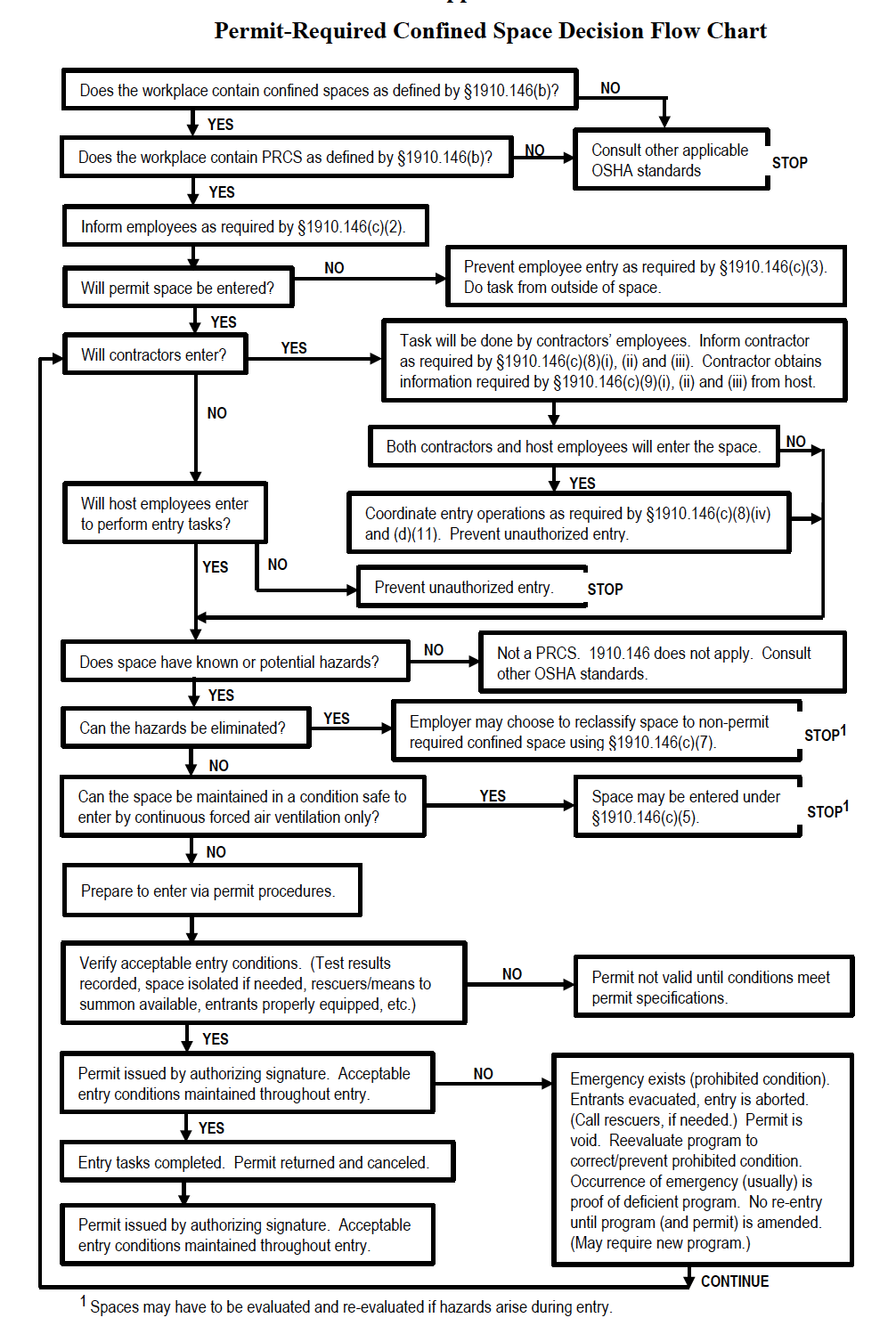
OSHA has cited a manufacturer of steel storage tanks for exposing employees to amputation, confined spaces, and other safety hazards. The company faces $234,528 in penalties. OSHA issued 10 repeated and 12 serious safety and health violations, including failing to implement lockout/tagout procedures to prevent machines from unintentional startup, provide required machine guarding, and control permit-required confined space hazards while tanks were being welded. OSHA also cited the company for not providing employees with adequate respiratory and hearing protection.
PLEASE take note of the General Duty Clause (5(a)(1) citation for failing to calibrate an air monitor worn inside their sandblasting hood per the manufacturer’s recommendation.
Citation 1 Item 1
Type of Violation: Serious; $7,422
Section 5(a)(1) of the Occupational Safety and Health Act of 1970: The employer did not furnish employment and a place of employment which was free from recognized hazards that were causing or likely to cause death or serious physical harm to employees in that employees were exposed to respiratory hazards of carbon monoxide.
On or about November 1, 2019 and times prior thereto, for employees sandblasting in a confined space, the Clemco In-helmet carbon monoxide alarm was not being calibrated as required by the owner’s manual, exposing employees to the hazard of carbon monoxide inhalation.
Feasible means of abatement, among others, includes:
Following the requirements in the manufacturer’s instructions for calibration schedule:
*** Calibrate at least monthly thereafter, and
*** Calibrate before use if the monitor was out of service for more than one week.
The alleged violations below have been grouped because they involve similar or related hazards that may increase the potential for injury or illness.
Citation 1 Item 2a
Type of Violation: Serious; $5,937
29 CFR 1910.95(g)(6): At least annually after obtaining the baseline audiogram, the employer did not obtain a new audiogram for each employee exposed at or above an 8-hour time-weighted average of 85 decibels:
On November 1, 2019 and times prior thereto, employees covered by the hearing conservation program in the sandblasting area had not received the annual audiogram, exposing employees to the hazards of high noise and hearing loss.
a) Sandblasters were exposed to an 8 hour TWA of 91.1 dbA or 117.5% dose. The time sampled was 445 minutes with zero exposure assumed for the 35 minutes not sampled.
Citation 1 Item 2b
Type of Violation: Serious
29 CFR 1910.95(i)(3): Employees were not given the opportunity to select their hearing protectors from a variety of suitable hearing protectors provided by the employer:
On or about November 1, 2019 and times prior thereto, the employer-provided only one type of hearing protection to welders and sandblasters who were covered under the hearing conservation program, exposing employees to the hazard of high noise.
a) Sandblasters were exposed to an 8 hour TWA of 91.1 dbA or 117% dose. The time sampled was 445 minutes with zero exposure assumed for the 35 minutes not sampled.
Citation 1 Item 3
Type of Violation: Serious; $5,937
29 CFR 1910.134(e)(1): The employer did not provide a medical evaluation to determine the employee’s ability to use a respirator, before the employee was fit tested or required to use the respirator in the workplace:
On or about November 1, 2019 and times prior thereto, the employer had not performed medical evaluations for all employees required to wear a full-face respirator while painting tanks and a supplied-air respirator while coating and sandblasting tanks, exposing employees to respiratory hazards.
Citation 1 Item 4
Type of Violation: Serious; $5,937
29 CFR 1910.134(f)(2): Employee(s) using a tight-fitting facepiece respirator were not annually fit tested:
On November O 1, 2019 and times prior thereto, employees in the painting department required to wear respirators were not fit-tested annually, exposing employees to respiratory hazards.
Citation 1 Item 5
Type of Violation: Serious; $5,937
29 CPR 1910.134(g)(1)(i)(A): Respirators with tight-fitting facepieces were worn by employees who had facial hair that came between the sealing surface of the facepiece and the face or that interfered with valve function:
On November 01, 2019 and times prior thereto, employees required to wear respirators had facial hair that would have come between the sealing surface of the respirators, exposing employees to the hazard of inhalation of chemicals.
Citation 1 Item 6
Type of Violation: Serious; $5,937
29 CFR 1910.134(h)(2)(i): Respirators were not stored to protect them from damage, contamination, dust, sunlight, extreme temperatures, excessive moisture, and damaging chemicals; or were not packed or stored to prevent deformation of the facepiece and exhalation valve:
On November 01, 2019 and times prior thereto, a full-face respirator used by the painter was stored on an outside table in the paint area, this condition exposed employees to respiratory hazards.
Citation 1 Item 7
Type of Violation: Serious; $5,937
29 CFR 1910.134(i)(1)(ii): Compressed breathing air did not meet at least the requirements for Grade D breathing air described in ANSI/Compressed Gas Association Commodity Specification for Air, G-7.1-1989, to include:
(A): Oxygen content of 19.5-23.5%;
(B): Hydrocarbon (condensed) content of 5 milligrams per cubic meter of air or less;
(C): Carbon monoxide (CO) content of 10 ppm or less;
(D): Carbon dioxide content of 1,000 ppm or less; and
(E): Lack of noticeable odor.
On or about November 1, 2019 and times prior thereto, employees used a supplied-air respirator during sandblasting operations. The supplied-air, provided by one of two permanent stationary compressors, was not tested and there were no other adequate forms of contaminant monitoring. The system filters were not changed on a necessary basis. The conditions expose employees to respiratory hazards.
The alleged violations below have been grouped because they involve similar or related hazards that may increase the potential for injury or illness.
Citation 1 Item 8a
Type of Violation: Serious; $5,937
29 CFR 1910.134(i)(5)(iii): The compressor’s sorbent bed and filters were not maintained and replaced or refurbished periodically as instructed by the manufacturer:
On or about November 1, 2019 and times prior thereto, the employer did not ensure the filters and sorbent media were changed on an adequate, fixed schedule, exposing employees to respiratory hazards.
Citation 1 Item 8b
Type of Violation: Serious
29 CFR 1910.134(i)(5)(iv): The employer did not ensure that the person authorized to perform the necessary sorbent bed and filter changes filled out a tag indicating by the signature and date that maintenance changes were performed:
On or about November 1, 2019 and times prior thereto, the employer did not ensure that employees authorized to change filters to the supplied air respirators where filling out a tag indicating the date of maintenance and a signature, exposing employees to respiratory hazards.
Citation 1 Item 1
Type of Violation: Serious; $7,422
29 CFR 1910.22(a)(1): All places of employment, passageways, storerooms, service rooms, and walking-working surfaces were not kept in a clean, orderly, and sanitary condition:
On or about November 1, 2019, the employer failed to ensure the working areas were clean and orderly. Employees exposed slip, trip and fall hazards from miscellaneous items scattered about, including trash, debris, parts, scrap material and extension cords. Specific areas include:
a. Fabrication shop.
b. Maintenance area in fabrication shop.
c. Paint building in and around this building including exits and doorways.
Citation 1 Item 2
Type of Violation: Serious; $7,422
29 CFR 1910.147(d)(4)(i): Lockout or tagout devices were l)Ot affixed to each energy isolating device by authorized employees:
On or about November 1, 2019, at the assembly building, the Bantam ironworker was not locked out.
The Bantam ironworker had all the guards removed and the belts, pulley, flywheel and punch area were exposed. Employees exposed to the unexpected start-up of the machine. Employees exposed to a caught-in hazard.
The facility was previously cited for a violation of this occupational safety and health
standard, or similar standard 1910.147(c)(1), which was contained in OSHA inspection number 1291102, citation number 1, item number 10 and was affirmed as a final order on August 24, 2018, with respect to this same location.
Citation 1 Item 3
Type of Violation: Serious; $8,906
29 CFR 1910.305(b)(1)(i): Conductors entering cutout boxes, cabinets, or fittings were not protected from abrasions:
a) On or about November 1, 2019, sand-blasting area, the 110 volt receptacle box the light is plugged into daily. The conductors were not protected from abrasion entering the box. Employees were exposed to an electrical shock hazard.
b) On or about November 1, 2019, assembly building, at the Cleveland ironworker, the 240 volt conductors were pulled out and were not protected from abrasion. Employees were exposed to an electrical shock hazard.
Citation 1 Item 4
Type of Violation: Serious; $7,422
29 CFR 1910.305(g)(2)(iii): Flexible cords were not connected to devices and fittings so that tension would not be transmitted to joints or terminal screws:
On or about November 1, 2019, in the spray paint area, a 110 volt extension cord had the outer sheath pulled back at the strain relief area, the cord was being used to supply power a drill for mixing the paints. Employees were exposed employees to an electrical shock hazard.
Citation 2 Item 1
Type of Violation: Repeat; $20,781
OSHACT of 1970 Section (5)(a)(l): The employer did not furnish employment and a place of employment which were free from recognized hazards that were causing or likely to cause death or serious physical harm to employees in that employees were exposed to a struck by hazard from falling objects due to hoist(s) that lacked proper inspections:
On or about November 1, 2019, the employer failed to ensure the hoists were inspected. For 13 hoists in the fabrication shop used on a daily basis to lift metal plates and tanks. The tanks ranged in size and capacity from 200 to 400 barrel tanks. Including, but not limited to, 1 ton Harrington hoists:
a. Near the roll-bending machine, the hand pendant had piece of plastic broken out and missing;
b. Near the maintenance shop area, the hand pendant had hole and piece of plastic missing out of it.
The facility was previously cited for a violation of this occupational safety and health standard or its equivalent under the OSHA ACT (5)(a)(l), which was contained in OSHA inspection number 1291102, citation number 1, item number 1 and was affirmed as a final order on August 24, 2018.
Among other methods, feasible means of abatement include following guidance set forth in ASME B30.16, Overhead Hoist 2007: Frequent inspection of the operating mechanisms for proper operation, adjustment, unusual sounds, hoist loads; periodic inspections by designated person to determine if conditions constitute a hazard and if disassembly is required; inspection records to be accomplished, dated, and maintained; and, the Harrington Hoist and Crane Operation Manual for inspections made on a frequent basis with ongoing maintenance of the inspection records.
Citation 2 Item 2
Type of Violation: Repeat; $20,781
29 CFR 1910.146(c)(4): When the employer decided that its employees would enter permit spaces, the employer did not develop and implement a written permit space entry program that complied with 29 CFR 1910.146:
On or about November 1, 2019, the employer failed to implement permit-required confined space procedures for spray painting and sand blasting operations inside steel holding tanks. Employees exposed to inhalation hazards, fire hazards and falls from the opening in the floor and rotating tank.
The facility was previously cited for a violation of this occupational safety and health standard or its equivalent standard 1910.146(c)(4), which was contained in OSHA inspection number 1291102, citation number 1, item number 9a and was affirmed as a final order on August 24, 2018.
Citation 2 Item 3
Type of Violation: Repeat; $14,844
29 CFR 1910.147(c)(4)(i): Procedures were not developed, documented and utilized for the control of potentially hazardous energy when employees were engaged in activities covered by this section:
On or about November 1, 2019, the employer failed to ensure written procedures were developed and used for equipment with multiple energy sources. Employees were exposed to unexpected startup, electrical shock and struck-by moving parts. Equipment included, but not limited to, the following:
a. Cleveland ironworker, hydraulic and electric.
b. Bantam ironworker, hydraulic and electric.
c. Plasma cutter, heat and electric
d. Roundo rolling machine, hydraulic and electric.
The facility was previously cited for a violation of this occupational safety and health standard or its equivalent standard 1910.147(c)(1), which was contained in OSHA inspection number 1291102, citation number 1, item number 10 and was affirmed as a final order on August 24, 2018.
Citation 2 Item 4
Type of Violation: Repeat; $11,875
29 CFR 1910.151(c): Where the eyes or body of any person may be exposed to injurious corrosive materials, suitable facilities for quick drenching or flushing of the eyes and body were not provided within the work area for immediate emergency use:
On or about November 1, 2019, at the paint mixing area, employees spray and mix various epoxy paints, which are corrosive to eyes and skin. No immediate access existed to an eyewash station for quick flushing of the eyes and meeting the 15-minute flushing time. Employees were exposed to the hazard of burns to the eyes.
The facility was previously cited for a violation of this occupational safety and health standard or its equivalent standard 1910.151(c) which was contained in OSHA inspection number 1291102, citation number 1, item number 12 and was affirmed as a final order on August 24, 2018.
Citation 2 Item 5
Type of Violation: Repeat; $20,781
29 CFR 1910.180(d)(2)(ii): Periodic inspection(s), 1-12 month interval, or as specifically
recommended by the manufacturer, were not conducted:
a) On or about November 1, 2019, the HIAB 622 load crane, periodic inspections were not performed on the crane, exposing employees to the hazards of being struck by falling tanks weighing over four tons.
b) On or about November 1, 2019, the Terex 230, 30-ton mobile crane, periodic inspections were not performed on the crane, exposing employees to the hazards of being struck by falling tanks weighing over four tons.
The facility was previously cited for a violation of this occupational safety and health standard or its equivalent standard 1910.180(d)(2)(ii), which was contained in OSHA inspection number 1291102, citation number 1, item number 19a and was affirmed as a final order on August 24, 2018.
Citation 2 Item 6
Type of Violation: Repeat; $14,844
29 CFR 1910.212(a)(3)(ii): Point(s) of operation of machinery were not guarded to prevent employee(s) from having any part of their body in the danger zone(s) during operating cycle(s):
On or about November 1, 2019, in the assembly department, the Cleveland ironworker used to punch holes for stairs was not guarded. The punch on the ironworker was not guarded. Employees were exposed to an amputation hazard.
The facility was previously cited for a violation of this occupational safety and health standard or its equivalent standard 1910.212(a)(3)(ii), which was contained in OSHA inspection number 1291102, citation number 1, item number 23 and was affirmed as a final order on August 24, 2018.
The alleged violations below have been grouped because they involve similar or related hazards that may increase the potential for injury or illness.
Citation 2 Item 7a
Type of Violation: Repeat; $14,844
29 CPR 1910.254(b)(4)(iv): Terminals for welding leads were not protected from accidental contact by personnel or metal objects:
On or about November 4, 2019, the employer failed to ensure the Miller Bobcat 250 welder/generator had the terminal lead covered. The lead was missing the protective cap. Employees were exposed to an electrical shock hazard.
The facility was previously cited for a violation of this occupational safety and health standard or its equivalent standards 1910.254(b)(4)(iv) which was contained in OSHA inspection number 1291102, citation number 1, item number 27 was affirmed as a final order on August 24, 2018.
Citation 2 Item 7b
Type of Violation: Repeat
29 CFR 1910.254(d)(9)(iii): Cables with damaged insulation or exposed bare conductors were not replaced:
a) On or about November 4, 2019, located outside between the assembly and fabrication shop, at the Miller Bobcat 250 welder/generator the welding cables had exposed wires.
Employees use the welder to make repairs to the tanks. Employees were exposed to an electrical shock hazard.
b) On or about November 1, 2019, inside the fabrication shop, near the maintenance area, the welding cables had exposed wires. Employees were exposed to an electrical shock hazard.
The facility was previously cited for a violation of this occupational safety and health standard or its equivalent standards 1910.254(d)(8) which was contained in OSHA inspection number 1291102, citation number 1, item number 28a was affirmed as a final order on August 24, 2018.
Citation 2 Item 8
Type of violation: Repeat; $11,875
29 CFR 1910.303(f)(2): Each service, feeder, and branch circuit, at its disconnecting means or overcurrent device, was not legibly marked to indicate its purpose, nor located and arranged so the purpose was evident:
a) On or about November 1, 2019, in the assembly building, the breaker boxes were not labeled to identify each breaker’s purpose. The breakers control the lights, receptacles, and the Bantam and Cleveland ironworkers. Employees were exposed to the hazards associated with delays in turning off equipment and/or turning off the wrong equipment.
b) On or about November 1, 2019, in the fabrication shop near the maintenance shops, the breaker boxes were not labeled to identify each breaker’s purpose. The breakers control the lights, receptacles and the welders in the shop area. Employees were exposed to the hazards associated with delays in turning off equipment and/or turning off the wrong equipment.
The facility was previously cited for a violation of this occupational safety and health standard or its equivalent standard 1910.303(f)(2), which was contained in OSHA inspection number 1291102, citation number 1, item number 29 and was affirmed as a final order on August 24, 2018.
Citation 2 Item 9
Type of Violation: Repeat; $11,875
29 CFR 1910.305(b)(2)(i): Pull boxes, junction boxes, and fittings were not provided with covers approved for the purpose:
On or about November 1, 2019, in the sandblasting area, a 110-volt receptacle was missing the faceplate cover. Employees were exposed to an electrical shock hazard.
The facility was previously cited for a violation of this occupational safety and health standard or its equivalent standard 1910.305(b)(2)(i), which was contained in OSHA inspection number 1291102, citation number 1, item number 33 and was affirmed as a final order on August 24, 2018.
Citation 2 Item 10
Type of Violation: Repeat; $11,875
29 CFR 1910.305(g)(2)(ii): Flexible cords were not used only in continuous lengths without splice or tap:
On or about November 1, 2019, in fabrication shop, near the maintenance area, a 110-volt extension cord was being used with three splices in the cord. Employees exposed to an electrical shock hazard.
The facility was previously cited for a violation of this occupational safety and health standard or its equivalent standard 1910.305(g)(2)(ii), which was contained in OSHA inspection number 1291102, citation number 1, item number 34a and was affirmed as a final order on August 24, 2018.
CLICK HERE for Citation Set #1
CLICK HERE the link for Citation Set #2