













I went to a party, Mom and remembered what you said. You told me not to drink, Mom so I had sprite instead.
I felt proud of myself, Mom the way you said I would, that I didn’t drink and drive, Mom though some friends said i should.
I made a healthy choice, Mom and your advice to me was right as the party finally ended, Mom and the kids were out of sight.
I got into my car, Mom sure to get...
Read More

You Drink & Drive. You Lose!
How to Spot An Impaired Driver!!
Remember – lots of times it’s not just the impaired driver or passengers of that vehicle that get hurt, but the innocent drivers around them. That’s why it’s so important to drive defensively and be aware of other drivers that may...
Read More
DRIVING HOME THE FACTS— ABOUT ZERO TOLERANCE
Young drivers are at high risk to be involved in an Alcohol-related crash.
At all levels of blood alcohol concentration (BAC), the risk of being involved in a crash is greater for young people than for older people. Among drivers with BAC levels of 0.08 % or higher involved in fatal crashes in 2009, ...
Read More
DRIVING HOME THE FACTS— ABOUT BLOOD ALCOHOL CONCENTRATION
Blood alcohol concentration (BAC) is the amount of alcohol in an individual’s body, measured by the weight of the alcohol in a volume of blood. The BAC limit determines the maximum amount of alcohol that can be consumed before it is illegal...
Read More
DRIVING HOME THE FACTS — ABOUT IMPAIRED DRIVING
Impaired driving is an issue at the forefront of the public safety agenda, but has faded in visibility over the past few years. Public apathy and confusion over what constitutes impaired driving have contributed to the existing gap between the public...
Read More
Tips for Party Givers
1. When your guests arrive, collect their car keys. That way, when they are ready to leave, they must get a second opinion on whether they’re sober enough to drive home.
2. Always serve food with alcohol. High protein and carbohydrate foods like cheese and meats are especially good. They stay...
Read More
You Drink & Drive. You Lose!
What is Impaired Driving? Impaired driving can be defined as a reduction in the performance of critical driving tasks due to the effects of alcohol or other drugs. It is a serious crime that kills every 30 minutes.
We Can Stop Impaired Driving. Here’s How…
Impaired driving crashes...
Read More
Bryan,
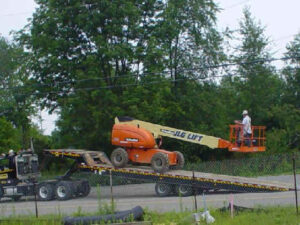
Back in May I observed a delivery driver for a major rental company picking up a JLG man lift from one of my subs. See first picture. 3 weeks later I was in an OSHA 500 class with his regional safety manager and asked him what their loading/unloading procedures were. He assured my his employees always use proper fall protection when doing this. His face...
Read More
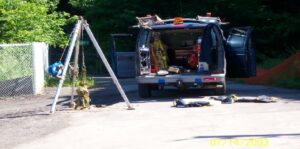
Saw this set up on an unannounced site visit – all prepared for a sewer manhole entry later in the day. Note both the main and rescue winch on the tripod.
Many thanks to Mary Jo XXXXXX for sharing this photo of how to set up a CSE job the RIGHT WAY!
Read More
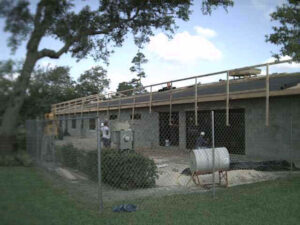
I enjoy your web site and as a safety professional in Florida, I use the photos on your site to show my customers what can happen if they don’t use PPE and / or safe work practices. I took the attached pictures at a Daytona Beach job site today. In 16 years as a safety professional, I have never seen anyone go to this length to protect workers from falling from a roof.
XXXXXXXXXX...
Read More
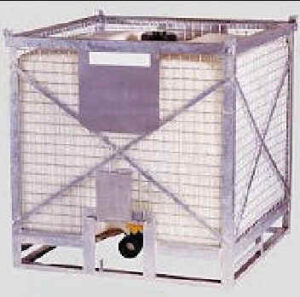
Construction Safety Circulation Service
Construction Hazard Solution:
Use Containers that Can’t be Manually Lifted
Amongst its many other tasks, WorkSafe Victoria regularly reviews the workers’ compensation claims details related to sprains and strains injuries within the construction industry. Selected claims are followed up by WorkSafe...
Read More
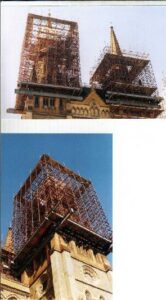
Hi Bryan,
I don’t know much about scaffolding, but I know what I like. These pics are of the restoration work on a cathedral in central Melbourne. I’m no expert on scaffolding, but I reckon this must be a good example of “doing it right”. Below is a very busy city.
Cheers,
John
Since John nor I are scaffolding experts I turned to my...
Read More