I have been preaching one simple approach to safety management my entire career after having learned it from the master himself… Claude Bloom. BALANCE is the KEY. There is no one magical approach to managing safety in the workplace. These days the big catchphrases are HOP and Psychological Safety. I am a believer in both approaches, but with a BALANCE! Maybe I’m just “old school,” but I still believe that we can’t just encourage workers to be safe. We, management, must first provide for a safe working environment AND THEN encourage workers to make good decisions in that safe working environment. This approach is based on the HOP approach… create paths of safety success for the workers rather than just hoping they avoid failure. But while we are creating this safe workplace, we also have to work on the culture so that once we have the physical risks under some control, the workers will begin to think more about their decisions and begin to VALUE their safety.
Simply trying to convince a worker to work safely inside a workplace that has many recognized yet unaddressed hazards is like “spitting into the wind.” SAVE your breath and LEAD by EXAMPLE. Take care of your house before asking your guest to respect your home! We have to be insane if we think the workers doing the dirty and dangerous work will respond to our impassioned request to work safely around the hazards we fail to address. Hell, it is hypocritical at best!
The working environment AND our culture have to take on a BALANCED approach. Still, it starts with leadership and an unwavering commitment to hunt down hazards and abate them, showing that we are taking care of our house, and I promise you this… our guests will respect us and our house!
This psychological safety approach WORKS! Creating a LEARNING culture works! But neither will work if we do not lead this charge by showing empathy and respect for the workers at risk in our workplaces. We have to use SCIENCE in our approach to safety; that is not just psychological science, but some good old-fashioned safety engineering science.
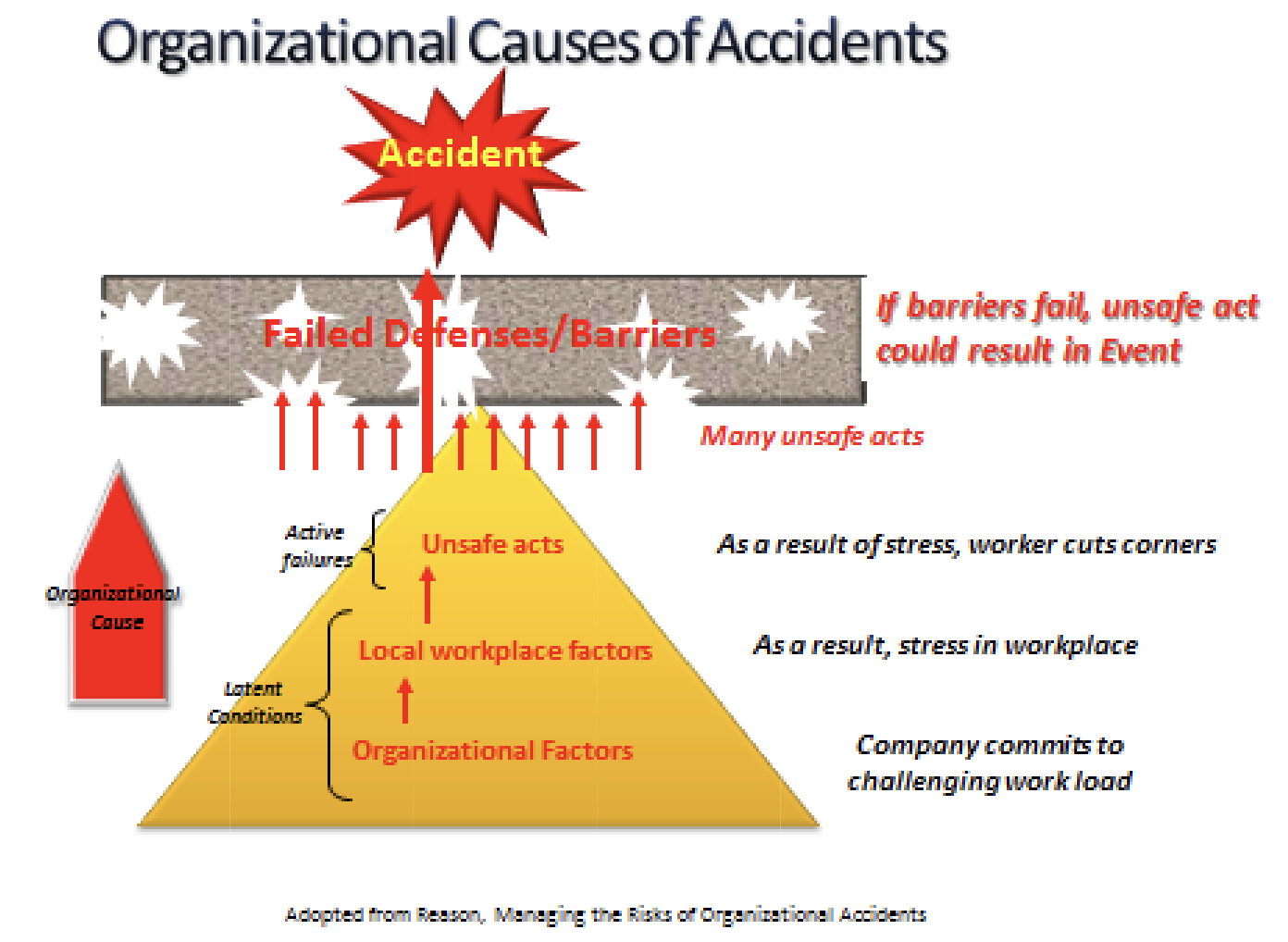
Over the years, we have lost the desire to apply fundamental safety principles in our approach to controlling risks. It is that blasted behavior-based safety approach that got us off track. Today, management is all too comfortable declaring the cause of the accident was an “unsafe act” – never asking what drove that unsafe act. And because of this short-sighted approach to managing safety, we never get down to what matters in the causal analysis of the incident.