Transactional Analysis is a valuable approach to the understanding of human behavior and action. Developed by Dr. Eric Berne, author of the book, “Games people play”
While we communicate with others, we share not only facts & information, but also emotions, values, benefits & traditions. So the starting point of all engagements is:
When 2 people encounter with each other, one will speak to the other.
This is called the transaction stimulus
The reaction from the other will be called the transaction response.
The person sending the response is called the Agent
The person who responds is called the respondent.
T.A. became the method of examining the transaction wherein “I do something to you, and you do something back.” In any personal interaction, a study of TA is useful in understanding and appropriately responding to varied behavior. TA divides the individual personality into three (3) ego states.
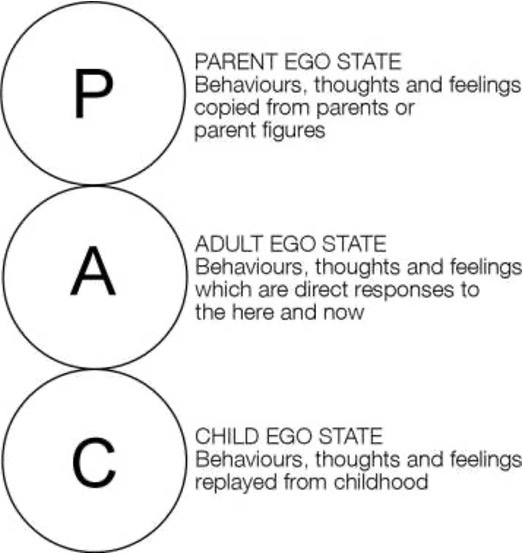
Based on their visual depiction below, can you place your managers/supervisors into one of these three (3) egos?
Takes me a matter of seconds to figure out where each one I have worked with over my career. This is NOT judging anyone or looking down on anyone; just a fact of life that we all have these ego’s and how we interact with others is very dominant in our personality.
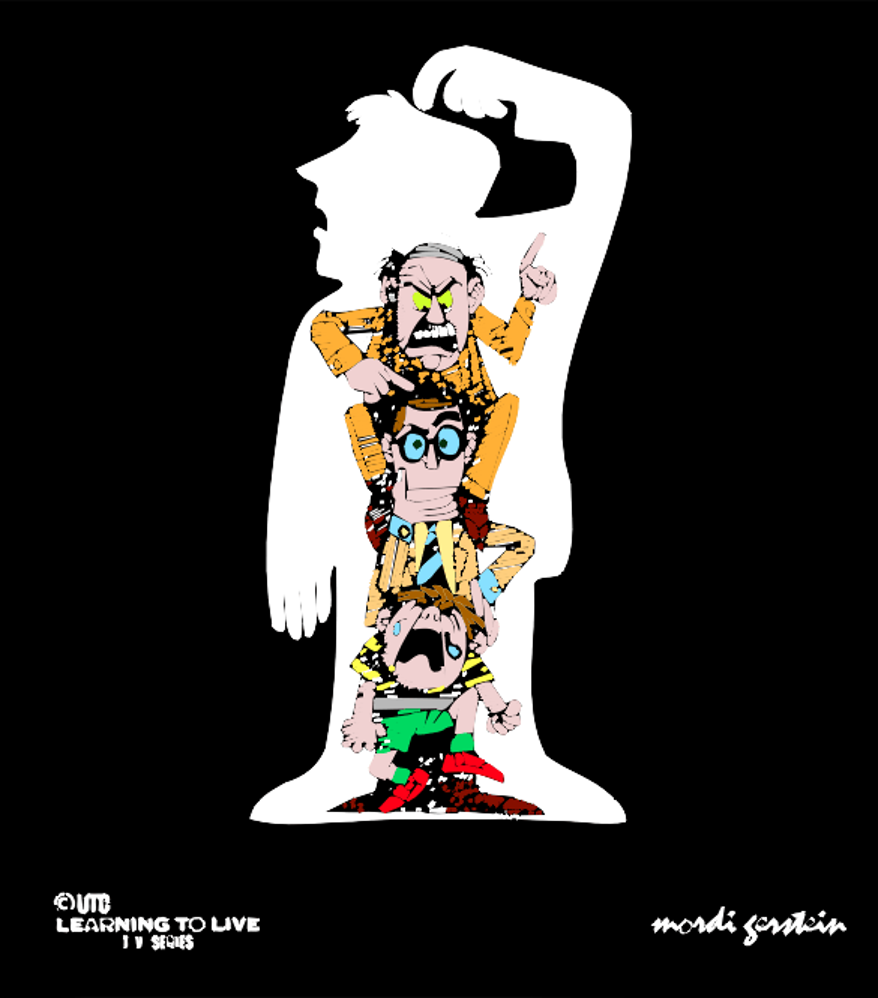
The Parent state:
- The ego state which is ‘taught’ to us
- Built up gradually through modelling parents/elders
- Reading books, watching films etc.
- It is the repository of beliefs, prejudices, values.
- Our ingrained voice of authority, absorbed conditioning, learning and attitudes from when we were young.
- Parent is made of huge no. of overt recorded playbacks
The Parent, has two parts:
- The Controlling or Critical Parent, (CP) and
- The Nurturing Parent (NP)
The Controlling or Critical Parent (CP) is
- Critical
- Giving injunctions
The Nurturing Parent (NP) is
- Unconditionally supportive
- Defender
Vocabulary:
Should, don’t, must, always, never, I know, now what? Because I said so.
I’ll take care of you, poor thing, there-there, come on, give it a try
Tone:
Sneering, loud, harsh, contemptuous, condescending, punishing, sympathetic, encouraging
Gesture/Posture-
Pointed finger, shaking head, arms folded on chest, tapping feet/fingers,
Facial Expression-
smile encouragingly, set jaw, outthrust chin, look down the nose with raised eyebrows
The Adult state:
- The Adult Ego State is the part that computes data and makes decisions
- It is oriented to current reality.
The Adult
The part of the Adult which records and recalls data like a computer is the– Photographic Adult, while that which associates, assesses, and organizes data to look for options and arrive at decisions is the Combining Adult.
Vocabulary:
How, why, when, where, what, alternatives, results, yes, no, caused by, statistics, facts, not opinions.
Tone:
clear & calm, confident, factual, enquiring.
Gesture/Posture:
straight (not stiff), lean forward to listen/look, relaxed, thinking with hand on chin, patient.
Facial Expression:
thoughtful, watching attentively, questioning, alert, lively
The Child state
The Child is the center of all feelings and emotions
The four basic feelings are SAD, ANGRY, HAPPY, and SCARED
The Child has three parts :-
- The Natural or Free Child (NC) – hateful/loving, impulsive, spontaneous, playful.
- The Adapted Child (AC) – fearful, guilty or ashamed
- The Little Professor — which is the intuitive, creative and manipulative aspect .
The Child
When an Adapted Child is attempting to free itself from Parental influence it is called – REBELLIOUS CHILD
Vocabulary:
Wow, give me, I want, MINE, I wish, I’m scared, help
Tone:
giggle, chuckle, whine, swear, yell, fast & high-pitched, whistle, playful, ask permission.
Gesture/Posture:
slumped, curled up, putting up hand to ask question
Facial Expression:
tears, pouting, downcast or uplifted eyes, tilted head, wide-eyed, fluttering eyelashes, flirtatious, admiring
Kinds of transactions
Complementary transactions
- When the transaction gets the appropriate response from a specific ego state in the other person
- Lines of communication are kept open between the transactors
Complementary Transaction
Adult-Adult:
- Do you know which days we are supposed to put the garbage out?
- I am under the impression that Monday and Thursday.
Child-Parent:
- Wow, there sure is a lot of this crummy garbage to put out!
- It really is very large and heavy, but I will be proud of you if you can do it.
Crossed transactions
- When the transactions get the unexpected response from an unexpected ego state from the other person
- Crossed transactions are a frequent source of resentment between people (transactors)
E.g., Do you know where the x-ray is ?
It’s right where you left it, can’t you remember anything?
Stimulus: Do this for me! (Looking for a “Yes Dad” response)
Response : I have no time!!
Stimulus: Cook dinner for me please!!! (looking for some nurturing parent)
Response: I’m too tired!! (also looking for some nurturing parent)
Specific example of ego states – crossed transactions
• Child-Parent / Adult-Adult :
– Wow, there sure is a lot of this crummy garbage to put out!
– Perhaps if we make certain to take it out twice a week the loads will be more manageable.
• Child-Child / Parent-Child:
– Don’t you really hate the size of these crummy garbage cans we have to take out!
– Quit whining about it and just do!
Crossed/ Blocked Transaction
Ulterior Transactions
When the transaction has a hidden message and it hooks the ego state the hidden message was going for and for not the one the overt message was aimed at.
Ulterior message is more important to the sender than the overt message.
Ulterior Transactions
Social level:
Stimulus: Would you do this for me?
Response: Yes, I will
Psychological level:
Stimulus: I want this done, Son.
Response: O.K. dad.