- Issues potentially impacting safety are promptly identified, fully evaluated, and promptly addressed and corrected commensurate with their significance.
- Identifying and resolving a broad spectrum of problems, including organizational issues, strengthens safety and improves performance.
Attributes:
Identification: The organization implements a corrective action program with a low threshold for identifying issues. Individuals identify issues completely, accurately, and promptly following the program.
Behavior Examples:
- Individuals recognize deviations from standards.
- Individuals understand how to enter issues into the corrective action program.
- Individuals ensure that issues, problems, degraded conditions, and near misses are promptly reported and documented in the corrective action program at a low threshold.
- Individuals describe the issues entered in the corrective action program in sufficient detail to ensure they can be appropriately prioritized, trended, and assigned for resolution.
Evaluation: The organization thoroughly evaluates problems to ensure that resolutions address causes and extents of conditions commensurate with their safety significance.
Behavior Examples:
- Issues are properly classified, prioritized, and evaluated according to their safety significance and risk.
- Operability and reportability determinations are developed when appropriate.
- Apparent and root cause investigations identify primary and contributing causal factors as required.
- Issues are investigated thoroughly according to their safety significance.
- Root cause analyses are rigorously applied to identify and correct the fundamental cause of significant issues.
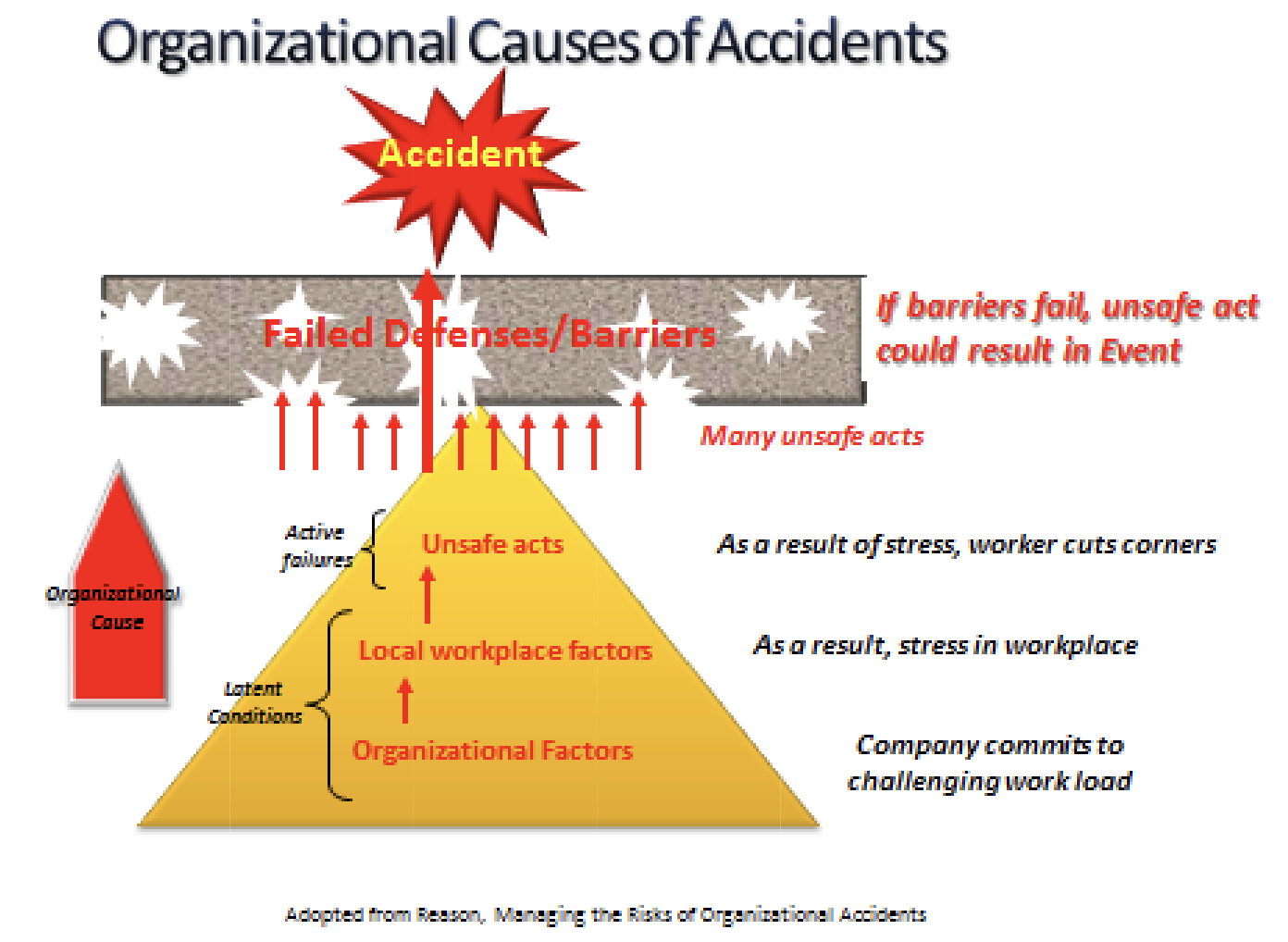
- The underlying organizational and safety culture contributors to issues are evaluated thoroughly and given the necessary time and resources to be clearly understood.
- Cause analyses identify and understand the bases for decisions that contribute to issues.
- Managers conduct effectiveness reviews of significant corrective actions to ensure that the resolution addresses the causes effectively.
Resolution: The organization takes effective corrective actions to address issues promptly commensurate with their safety significance.
Behavior Examples:
- Corrective actions are completed promptly.
- Deferrals of corrective actions are minimized. When required, due dates are extended using an established process that appropriately considers safety significance.
- Appropriate interim corrective actions are taken to mitigate issues while more fundamental causes are being assessed.
- Corrective actions resolve and correct the identified issues, including causes and extents of conditions.
- Corrective actions prevent the recurrence of significant conditions adverse to quality.
- Trends in safety performance indicators are acted on to resolve problems early.
Trending: The organization periodically analyzes information from the corrective action program and other assessments in the aggregate to identify programmatic and common cause issues.
Behavior Examples:
- The organization develops indicators that monitor both equipment and organizational performance, including safety culture.
- Managers use indicators that accurately represent performance and early indications of declining trends.
- Managers routinely challenge the organization’s understanding of declining trends.
- Organizational and departmental trend reviews are completed promptly following program expectations.