Every year about this time, I take time to reflect on the year. This year I had the privilege to spend 100% of my time with Union Pacific Railroad, but I stayed connected with many of you, and through our many late-night discussions, I am reminded that many businesses get blinded by all the tinsel on the Christmas tree. We now have three major movements within our profession. I am a fan of all three; however, I will NEVER let anything get in the way of fundamental and principled safety management techniques. SIF, HOP, and Psychological Safety are compliments to the tools we have been using for decades:
- IDENTIFYING HAZARDS
- ANALYZING those HAZARDS with a recognized methodology
- RISK ASSESSMENT to put the risk those hazards pose into perspective
- MITIGATE those risks down within the RISK TOLERANCE of the business using the HIERARCHY OF CONTROLS
If we are grounded in these four (4) simple principles and build our Safety Management System to support this approach, we will make a big difference in our workers’ lives. Having the workers who do the dirty and dangerous PARTICIPATE in the safety process is ABSOLUTELY KEY to our success in safety.
The approach we call SIF (Serious Injuries and Fatalities) can be an excellent means to get focused on the severe risks within a workplace. It is what process safety engineers have been doing since 1992 (OSHA PSM birthday). It helps a business shift its focus from injury rates to real risks – REGARDLESS of what the injury rates are telling us.
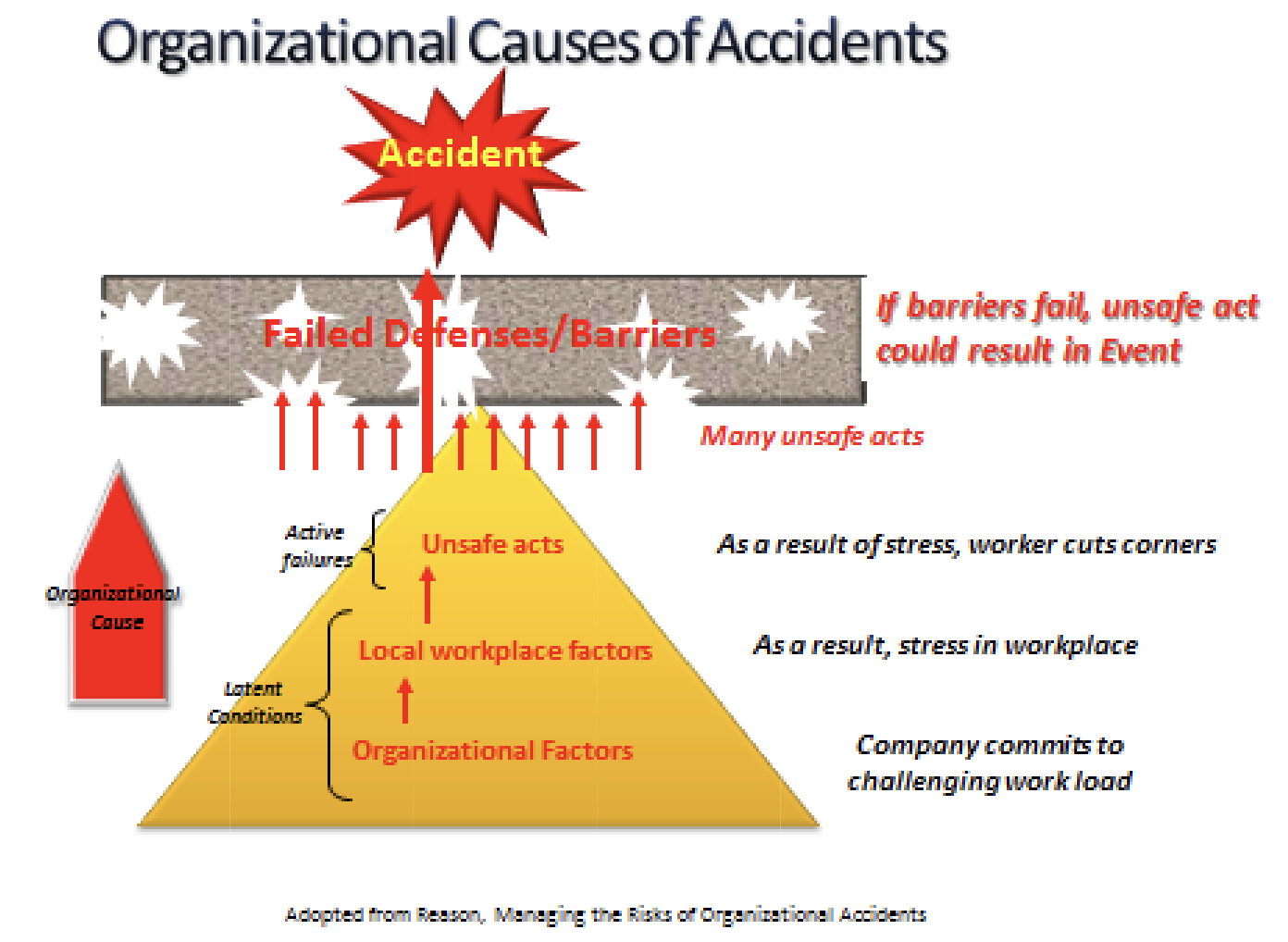
The latest craze is HOP (Human and Organizational Performance). In my opinion, this is the shift from Behavior Based Safety to a softer landing after billions have been spent on BBS processes. I love the HOP movement, but it is just a move back to what James Reason taught us in the 1980s. It is just packaged differently for today’s politically sensitive workplaces. But every organization needs to embrace HOP as it is an excellent method to impact the culture of the business compellingly and positively.
The last item is psychological safety. I have pushed Dr. Clive Lloyd’s book Compliance to Care as it is a MUST-read for safety professionals who want to see safety management in a new light. It’s one of those books like Dr. Scott Geller’s The Psychology of Safety Handbook; both were game changers for me.
But all three of these “movements” complement a robust safety management system. None of these work independently; they are ALL needed in their own way to shape both PERFORMANCE and CULTURE. Unfortunately, many businesses seek the next shiny object in our profession and will abandon their safety management principles.