Admiral Rickover’s 7 Steps to Safety Success need to be adhered to today more than ever! They are simple and timeless, as he lived by them in the 1950’s and 60’s while building the U.S. Navy’s Nuclear Power program.
- Practice continuous improvement. Rise above the minimum standard. Measure your results and then strive to improve them to the next best measurement, and repeat. Never accept the status quo. Even a slight improvement, if measured, can be a reason to cheer.
- Hire smart people. Rickover said, “Theories of management don’t much matter. Endeavors succeed or fail because of the people involved. Only by attracting the best people will you accomplish great deeds.” People running complex systems must be highly competent.
- Establish quality supervision.
- Respect the dangers you face. Many people lack respect for risk or fail to understand its dangers. They tend to overestimate their risks from things that pose a slight danger and underestimate the risks that matter.
- Train, train, and train. Never expect an employee who performs a task infrequently to do so safely.
- Audit, control, and inspect. Auditing is not micromanagement! Rules without enforcement are useless, as are safety systems without implementation. Sadly, too many … [operational] audits are “lip service”. Admiral Rickover refused to delegate the audit process and because of this and his obsession with safety, the Navy credits him with its record of zero nuclear accidents. If in doubt, assume the worst as Rickover did whenever he could not verify that a submarine’s construction met the standards. When that happened, he insisted on a complete teardown.
- An organization MUST LEARN from past mistakes. Instead, most organizations keep repeating the same mistakes. A basic rule is “there’s always a better way” and organizations should learn from errors to avoid repeating them. PREDICTABLE IS PREVENTABLE. IF IT’S IDENTIFIABLE, IT IS MANAGEABLE.
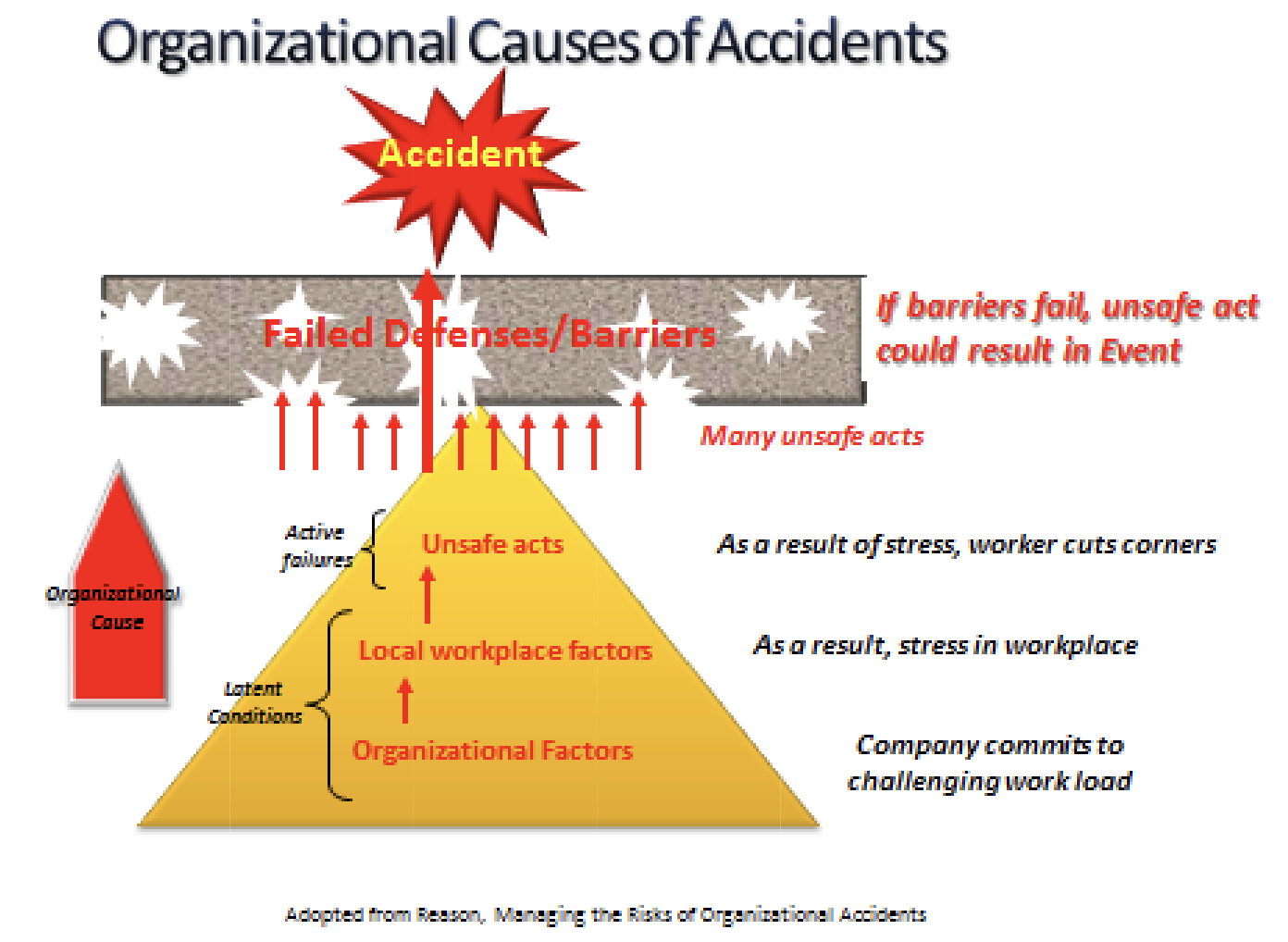
Accidents don’t just happen; they are either a system failure or the organization fails to establish, train for and adhere to a safety program.
Safety begins at the top. Management drives a safety culture, not its employees. By using Rickover’s seven steps to success, organizations can change their culture to one of zero tolerance for accidents and injuries.