 We often hear it:
“We have a world-class safety management system.”
They are proud of what they have. They have worked hard to get where they are. But most of the time, they do NOT have a safety management system (SMS). What they have is a safety “compliance manual.” A binder that holds dozens of individual written safety programs, or maybe they have gone hi-tech, and they have their programs in electronic format in a folder on the computers.
But this compliance approach is FAR from having an existing SMS. Compliance is necessary; it can be the foundation of our SMS. But a compliance manual needs the following before it can be claimed to be a functioning SMS.
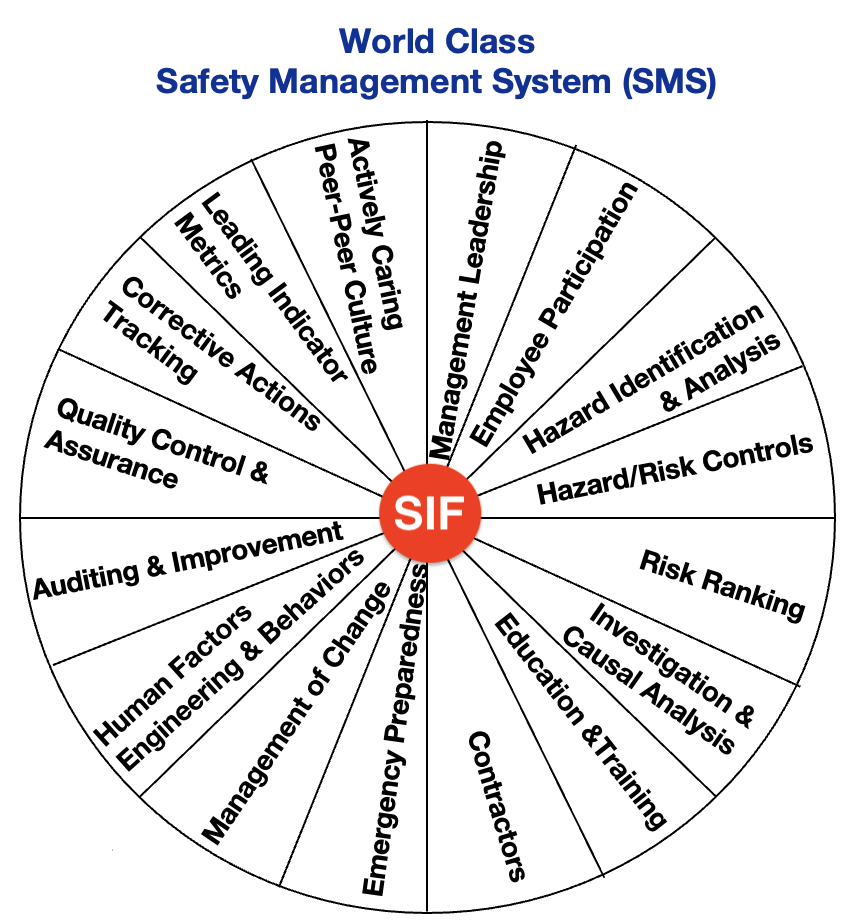
Auditing
If the workplace is a traditional OSH program based on OSHA compliance, the binder will most likely not have a formal auditing program/process. This can be done in-house or a 3rd party can conduct the audit(s), but there must be a formal audit process in place that DEFINES and QUANTIFIES the process:
- What gets audited
- How frequency is the audit
This is a formal written program in which it is decided as to who will do which audits. The key here is the ABILITY of the auditor(s) to ensure the audit is VALUE ADDED. Management agrees to the SCOPE, SCHEDULE, and WHO will perform the audits.
Management MUST be engaged in the audit process, from planning, scheduling, and participating in the audit(s).
A mature SMS will set goals for the completion of these audits.
Corrective Action Plans
A functioning SMS should generate a lot of improvement opportunities to reduce risks in the workplace and strengthen the SMS. This means there should be a lot of “corrective actions” developed. An SMS will have a “tracking system” that will identify the following:
- the actions to be taken
- the owner of the corrective action
- the due date for the corrective action
- a means to document what actions were taken to satisfy the corrective action
This tracking system must be part of a Management Review at some frequency. I believe it should be at least monthly; in some situations, a weekly review may be necessary.
A mature SMS will set goals for “closure rates” and “past due percentages.”
Management of Change
A functioning SMS will have a tool that can be used to manage changes to the physical workplace and the SMS.
Again, most traditional OSH programs will not be required by OSHA to contain these three (3) critical SMS elements. If a business does not have these three elements, they do NOT have an SMS – they have a collection of compliance programs.