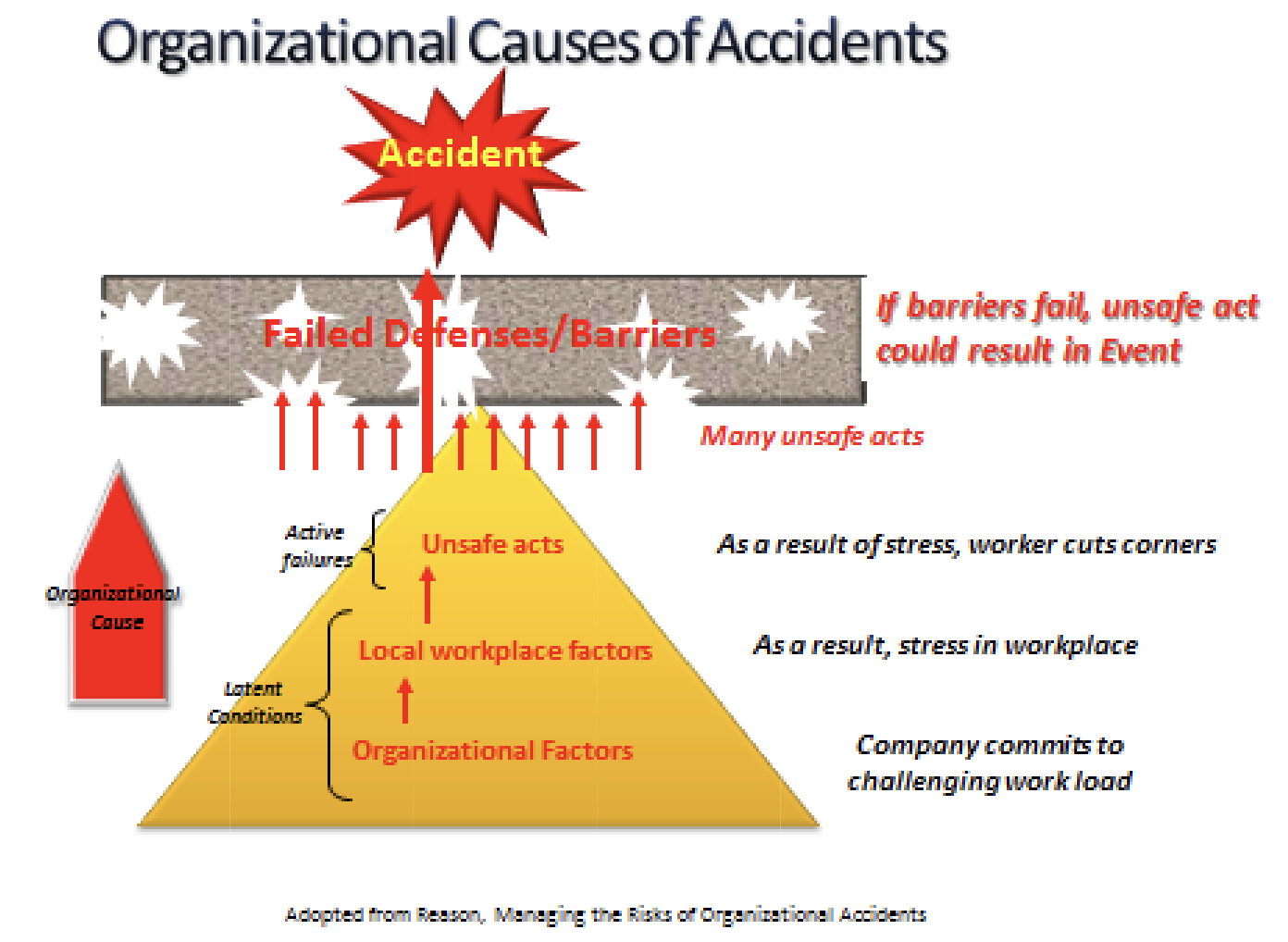
Approaches to health and safety vary considerably at all levels of management. As we will see, the Human Factors approach wins hands-down.
The legalistic approach
This classic approach says “Comply with the law, but no more!” In other words, the organization is prepared to do the minimum to keep out of the clutches of the enforcement agencies.
The socio-humanitarian approach
This approach considers the human resources aspects, namely, that people are an essential feature of the business operation and an important asset. As such, they must be protected.
The financial–economic approach
The maintenance of high standards of health and safety needs adequate financial resources. However, all accidents, incidents, and occupational ill-health cost money. Most organizations are good at calculating the costs of health and safety improvement, e.g., machinery guarding, health, and safety training, but are not good at calculating the losses associated with accidents, sickness, property damage incidents, and generally poor health and safety performance. These losses tend to get absorbed in the operating costs of the business. Accident and sickness costing systems soon identify the costs to the organization of poor health and safety performance, particularly when such identified costs are drawn against individual managers’ budgets. This can be the most significant motivator for bringing about improvement.
The human factors approach
With the greater emphasis on the human factors approach to health and safety, there is a need actually to identify those organizational characteristics that influence safety-related behavior. These include:
- the need to produce a positive climate in which health and safety is seen by both management and employees as being fundamental to the organization’s day-to-day operations, i.e., a positive safety culture
- the need to ensure that policies and systems are devised for the control of risk from the organization’s operations and take proper account of human capabilities and fallibilities
- commitment to the achievement of progressively higher standards which is shown at the top of the organization and down through successive levels of it
- demonstration by senior management of their active involvement, thereby stimulating managers throughout the organization into action
- leadership, whereby an environment is created which encourages safe behavior.
Source: Management Systems for Safety, Jeremy Stranks, 1994