I can remember “surviving” through safety stand-downs in my career and I can assure you, they were not coffee and donut parties! The stand-downs back then were TRUE stand-downs where the company halted the tasks/operations that were involved in the accident until the investigation was complete, the root cause analysis was complete, AND the corrective action plans were complete. These were very long days and nights, as in some cases the entire facility may be down costing millions of $’s each hour. On several occasions, we had processes/tasks across the globe shut down until such time we were confident we could SAFELY manage the risks associated with the operation/task.
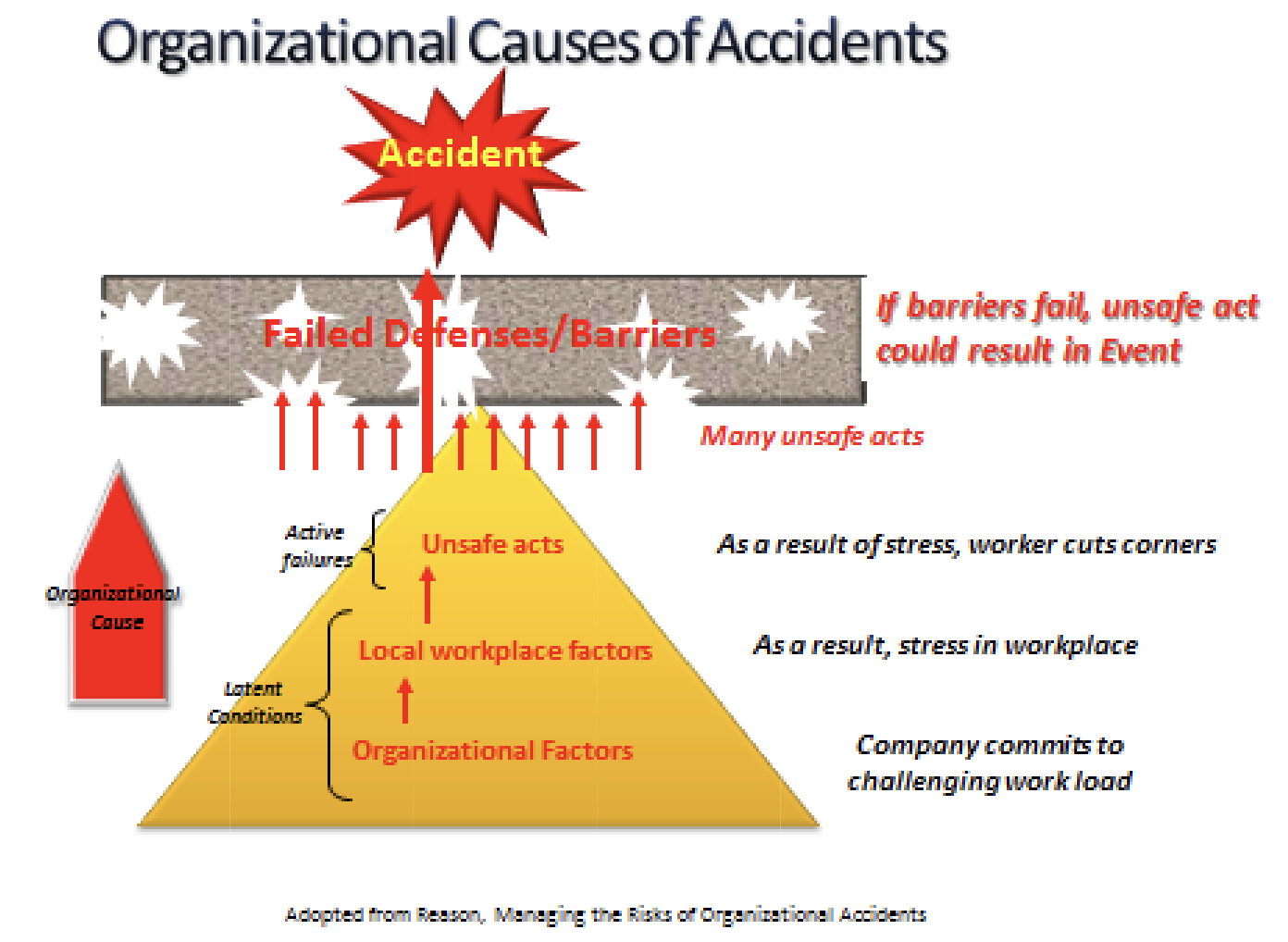
Tremendous resources were dedicated to ensuring no rock was left unturned and that we had a high degree of certainty that we identified the problem(s) and took appropriate actions ACROSS the ENTIRE business where these risks were present. These stand-downs were rooted in RISK MANAGEMENT principles using our causal analysis tools to identify both ACTIVE and LATENT organizational failures that led to the incident. And mind you, I experienced a couple of stand-downs as a result of near misses!
The stand-down was ordered by senior leadership when the SMEs were unable to explain what or how the failures occurred which took us to the point of the consequence. Management was able to recognize that the level of failure was too much risk and thus the only way to control this risk was to SAFELY shut down the tasks or process involved, until such time adequate and proper controls were put in place. The shutdown was simply to CONTROL RISKs that had gone unrecognized by our safety efforts. It was viewed as a necessary learning experience and these learnings were put in place across the entire business. The learnings were added to the annual OSH/PSM/RMP audit process to add a validation step to this stand-down process. In some organizations, failing to effectively implement the stand-down actions was far more problematic for facility management than any traditional audit finding.
So are stand-downs brought about MEASURABLE change using scientific tools to improve safety and reduce risks. Each stand-down generated a lot of discussions and visible ACTIONS that improved safety. They were some of my steepest learning curves during my career, as during them I would be exposed to much more senior safety engineers who were truly world-class professionals.
If the stand-down came about because of a specific task, we would implement our corrective actions and then in the following month(s) we would increase our BBS Observations and target our observations on the task, we would increase and target our field audits towards the tasks, and we would focus our “safety contacts” to discuss the new safeguards surrounding the tasks. All of which is MEASURABLE and VERIFIABLE actions to reduce risks.