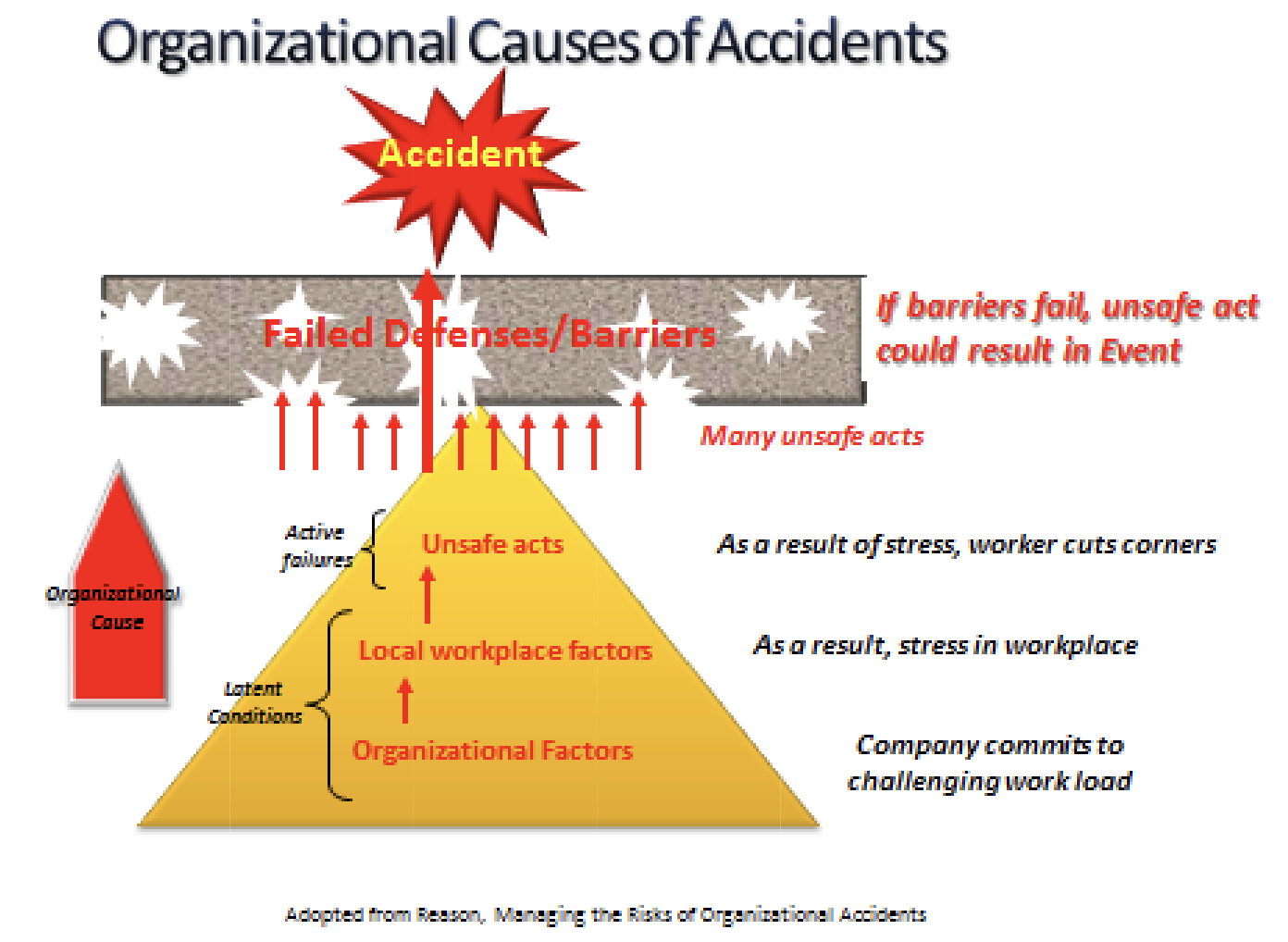
Dr. Todd Conklin’s view on the popular “STOP WORK” Authority approach is one that I can support 100% and have lived my entire career, so yes, my bias for a Safe-Work Permitting Process (SWPP) will shine brightly in this post. And I am surprised at how controversial Dr. Conklin’s approach has become because what he is promoting is exactly what the Safe-Work Permitting Process (SWPP) is all about.
Here is Dr. Conklin discussing his views on the STOP WORK approach:
|
Fast forward to 6:00 minute mark
|
Here is how the Safe Work Permitting Process (SWPP) aligns with his approach:
As Dr. Conklin explains, we need to ensure the necessary (I like to say “required”) controls are in place BEFORE the task begins. This approach is perfect for the FOUR (4) fundamentals of an SMS:
- Identify Hazards (Physical, Environmental, Behaviors)
- Analyze those Hazards with a Recongined Methodology
- Assess and Assign a Risk Level to the Hazard(s)
- Mitigate the Risks posed by the Hazard(s) using the Hierarchy of Controls
ALL OF THIS IS DONE WITH THE MEN AND WOMEN WHO DO THE “DIRTY AND DANGEROUS WORK” (another phrase I love from Conklin).
The result of this exercise is oftentimes a Safe-Work Permit (SWP) as a logical control when the risks are semi-quantified as “serious” or “high-risk.” As Dr. Conklin says, we need to ensure the controls for the risks are in place BEFORE the work/tasks begin rather than identify their absence while the work is underway, and the full intent of a SWP is to do just that.
Most safety pros are familiar with the SWPP as most companies have Permit-Required Confined Space Entry Permits and Hot Work Permits. Other organizations have learned the value of the SWPP and have expanded this risk control measure to be used in other high-risk tasks. And in many of these cases, this goes above and beyond “OSHA compliance”. Most of my top clients have adopted the SWPP for Energy Control/LOTO, Working @ Heights, Line/Equipment Opening (even on systems not covered by OSHAs/EPAs process safety standards), Trenching/Excavations, Fire Protection System Impairments, etc.
A team of employees works together to identify all the regulatory and non-regulatory safety needs to ensure the proper controls are in place BEFORE the SWP is authorized. The SWP literally lists the controls, and the user will use the SWP to ensure all the controls that are required/necessary are in place BEFORE the work begins. A supervisor will then DOUBLE VERIFY the SWP requirements have been met BEFORE he/she authorizes the SWP and work can begin. The SWP is simply a tool to help CONTROL the risks associated with the work and to ensure that workers and management understand the controls necessary to ensure the work is done within the acceptable risk tolerance established by management. Essentially, we recognize that there is no way we can expect everyone to remember all the necessary controls for each high-risk task, so we create a task-specific SWP that simply lists all the controls that the workers preparing for the task(s) can put in place and then supervision DOUBLE VERIFIES before the work is authorized.
And yes, the SWPP is an ADMINISTRATIVE CONTROL that can be “pencil-whipped,” making it not worth the paper it is written on. Thus we need to have some means to VERIFY/VALIDATE the SWPP is working to control the risks as we have intended. This means we need some type of “check and balance” on this ADMINISTRATIVE CONTROL. This is where our SMS Auditing/Inspection element comes into play. Since this SWPP is a main safeguard for high-risk work, we need to audit the system and inspect a high percentage of SWPs, both in the field while they are active AND “desk-top” after they have been closed. We should make these audits and inspections a KPI/Leading Indicator and set goals for their performance (e.g., how many get done monthly, scores from audits and inspections are our QA aspect of the process, etc.). And then, we VERIFY/VALIDATE the data from these audits/inspections. This is what we mean by a QA process within our SMS, and it is never more critical than in the SWPP.