Last week, I had an interesting discussion with a long-time client about the next steps in their safety evolution. While working with their safety team members out and about in the plant, we hardly see any violations, errors, or mistakes when auditing work permits and the like. But we are dressed like Christmas trees during these walk-throughs; thus, everyone knows who we are and can see us from a mile away. When I wear my own HH, FR, and Green Hi-Vis FR vest, I tend to see a different safety world. So, I consciously wore my PPE (different styles and colors) and scheduled walk-throughs with unit supers and supervisors (also different colors) to test my concerns.
The business has made considerable strides in performance #’s and culturally speaking. But this last step is the most difficult, as the idea that “safety is safety’s job” has been around for decades and is fully ingrained in many management minds. To the point that when we run “training attendance” reports, we almost always see the group who hurts the percentages the most are Unit managers (including engineers) and front-line supervision. Just last summer, senior management (VP level and higher) bought into the concept that even if the managers/engineers do not need the training as they do NOT perform the task, they need to OWN the safe work practices so when they are out and about in their units that can IDENTIFIFY DEVIATIONS from said safe work practices. So, the training attendance numbers amongst this group have improved since last summer (still not where they need to be, but they have improved). But now comes the hardest part… INTERVENTION in Errors, Mistakes, and Violations (Routine, Situational, and Exceptional).
In my “disguised” walkthrough with these managers, engineers, and front-line supervisors, we encountered over 20 situations that needed our immediate intervention. Compare that to the week spent doing the same type of walk-throughs with the safety team members, and we NEVER came across that many opportunities to audit and in those limited opportunities we did have to audit, we found fewer issues. Why? How could this be?
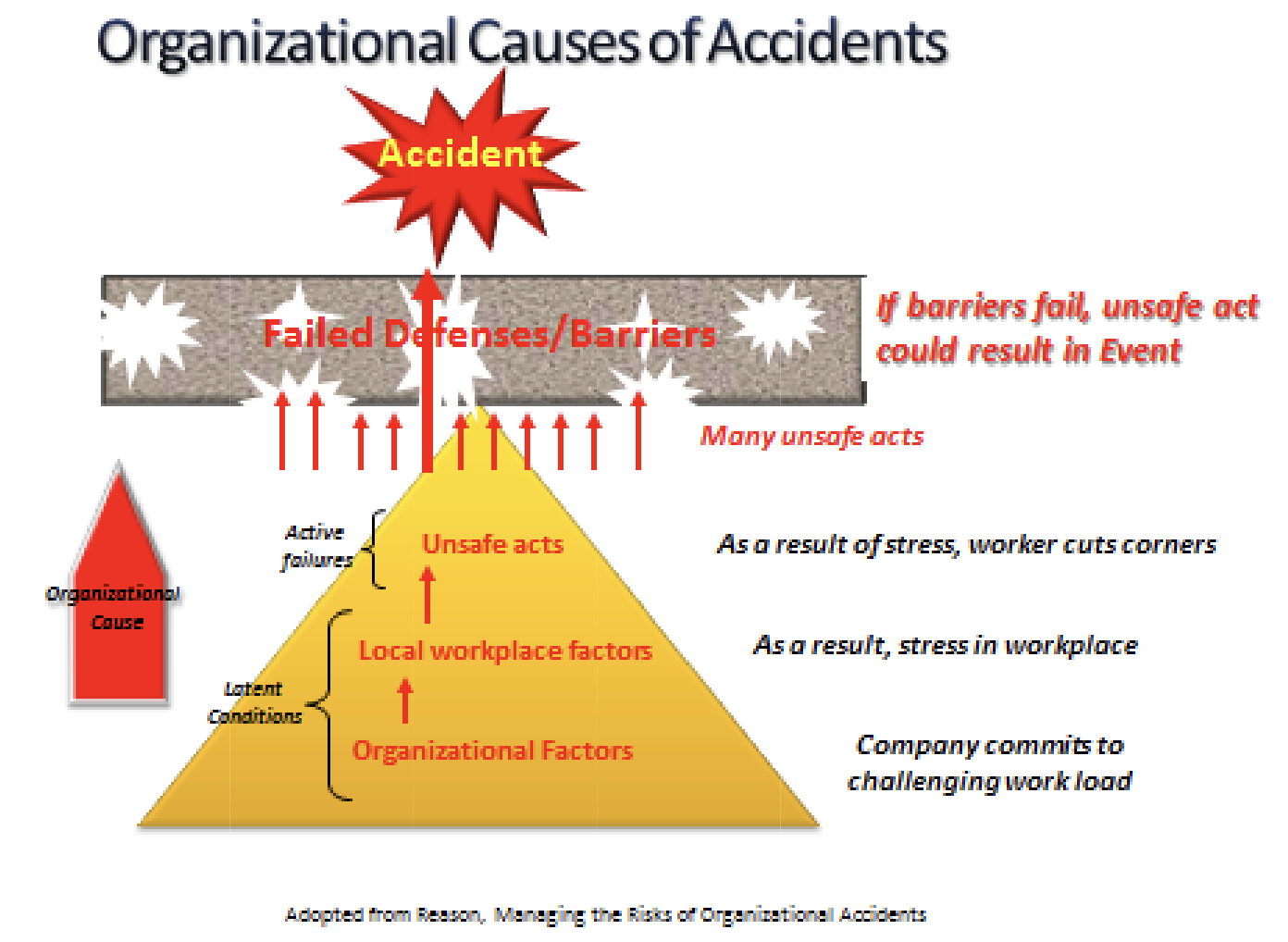
It turned out that when a safety team member was in the unit, this was communicated to other personnel, including contractors. Thus, behaviors changed based on their presence. Yet, when their managers and supervisors were present, there was no concern about behaviors or attention to compliance with SWPs. Part of this was caused by the fact that many of the managers and supervisors were not attending the training until last summer. This set up a dangerous arrangement of management/supervision walking by unsafe conditions/behaviors WITHOUT the ability to identify them – which in turn VALIDATED these conditions and behaviors.
Worse yet, when a member of the safety team walked by, these unsafe conditions/behaviors were recognized, and the safety team member would intervene. Thus making the safety team member the “bad guy/gal,” essential making them the “safety police”.
We have over 12 months of data to compare/analyze, and it screamed at us. Managers/Front-Line supervision audit results were, on average, above 90%. The safety team audits averaged 65%. My audit scores since last June averaged 58%. So we can see a trend between the two groups (safety and non-safety). So the VP of the Business Unit (the person who hired us) asked for a plan to “CLOSE THE GAP.” But in the interim, he did exactly what he did when I worked for him as a safety manager back in the 2000s.
He informed each Plant Manager and their staff (including front-line supervision) that while we worked to close this gap in expectations, any time a safety team member found serious concerns that went unrecognized by the unit management AND were REPEAT concerns, whatever actions that would be taken to address these concerns, some type of actions would be taken on the Unit Super, Shift Supervisor, Unit Engineer, and Unit Manager. If the Unit Super, Shift Supervisor, Unit Engineer, and Unit Manager had identified these concerns in any of their previous interventions, then no actions would be taken against them.
Amazingly, this alone corrected the audit performance gaps. In the 2000’s, it took us about one quarter to CLOSE the GAP. I suspect the business I am working with today will take about the same amount of time. I (as well as facility/division safety team members) have already seen increases in questions and requests for our time to spend doing walk-throughs with members of management. They want to see their world through our eyes and understand how we perform our audits and interviews so they can improve their audits and thus CLOSE the GAP. This is STEP 1 in them taking OWNERSHIP of their Safety Management System’s “CHECK” element (e.g. Plan-Do-CHECK-Act)