The topic of SMS in aviation has been around for more than 30 years. The FAA provides the following description of SMS and its principles:
Technology and system improvements have made great contributions to safety. However, part of being safe is about attitudes and paying attention to what your surroundings are telling you. Whether through data or through the input of employees and others, recognizing that many opportunities exist to stop an accident is the first step in moving from reactive to predictive thinking. SMS is all about decision-making. Thus, it has to be a decision-maker’s tool, not a traditional safety program separate and distinct from business and operational decision-making. 8 (FAA)
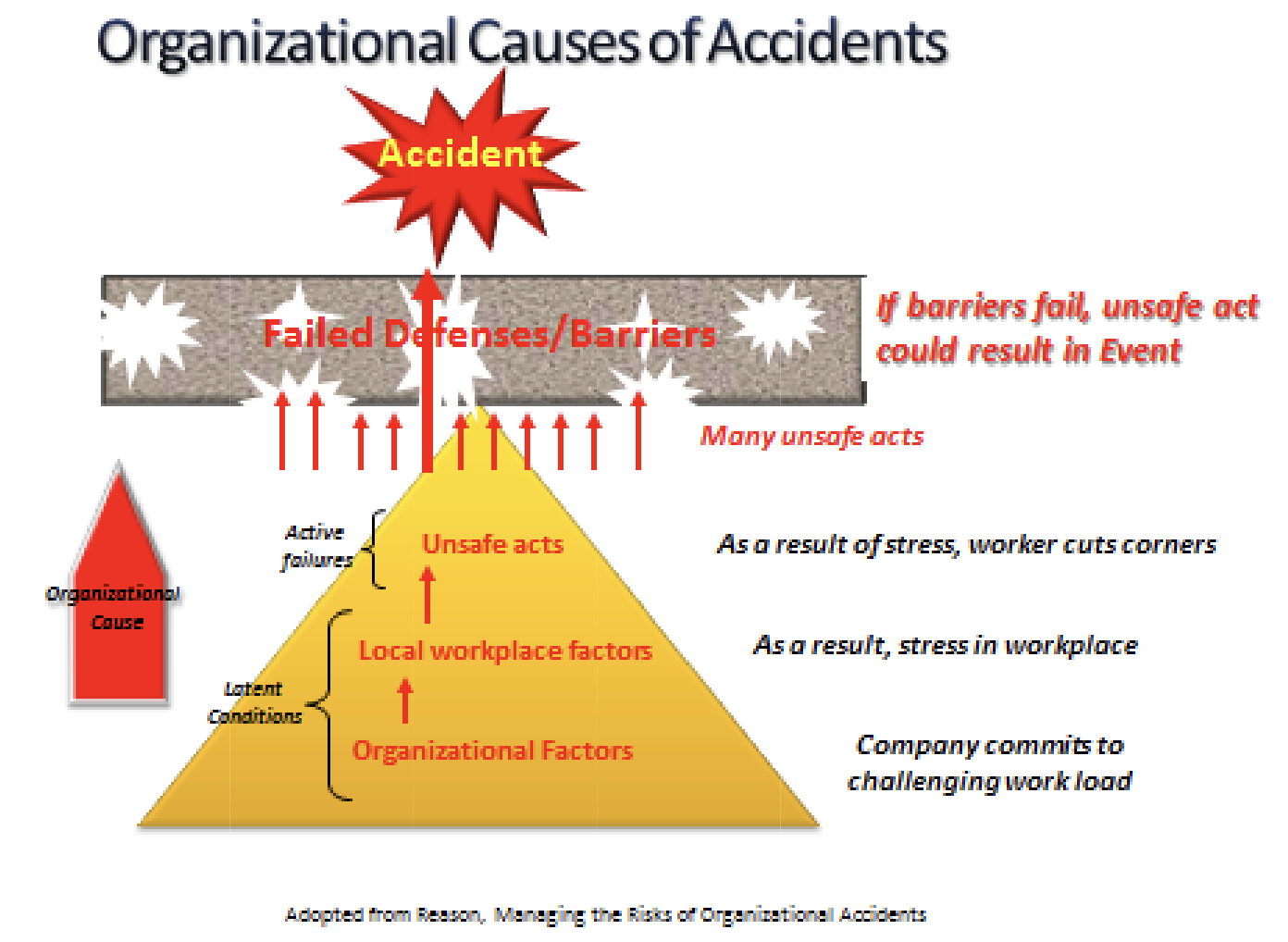
The FAA further describes connections between SMS, organizational behaviors, and safety culture and how SMS addresses the organization’s role in safety.
SMS requires the organization itself to examine its operations and the decisions around those operations. SMS allows an organization to adapt to change, increasing complexity, and limited resources. SMS will also promote the continuous improvement of safety through specific methods to predict hazards from employee reports and data collection. Organizations will then use this information to analyze, assess, and control risk. Part of the process will also include the monitoring of controls and of the system itself for effectiveness. SMS will help organizations comply with existing regulations while predicting the need for future action by sharing knowledge and information. Finally, SMS includes requirements that will enhance the safety attitudes of an organization by changing the safety culture of leadership, management, and employees. All of these changes are designed to help the organization incorporate all three forms of rationale – reactive, proactive, and predictive thinking. 9 (FAA)
https://www.faa.gov/newsroom/Sec103_ExpertPanelReview_Report_Final.pdf