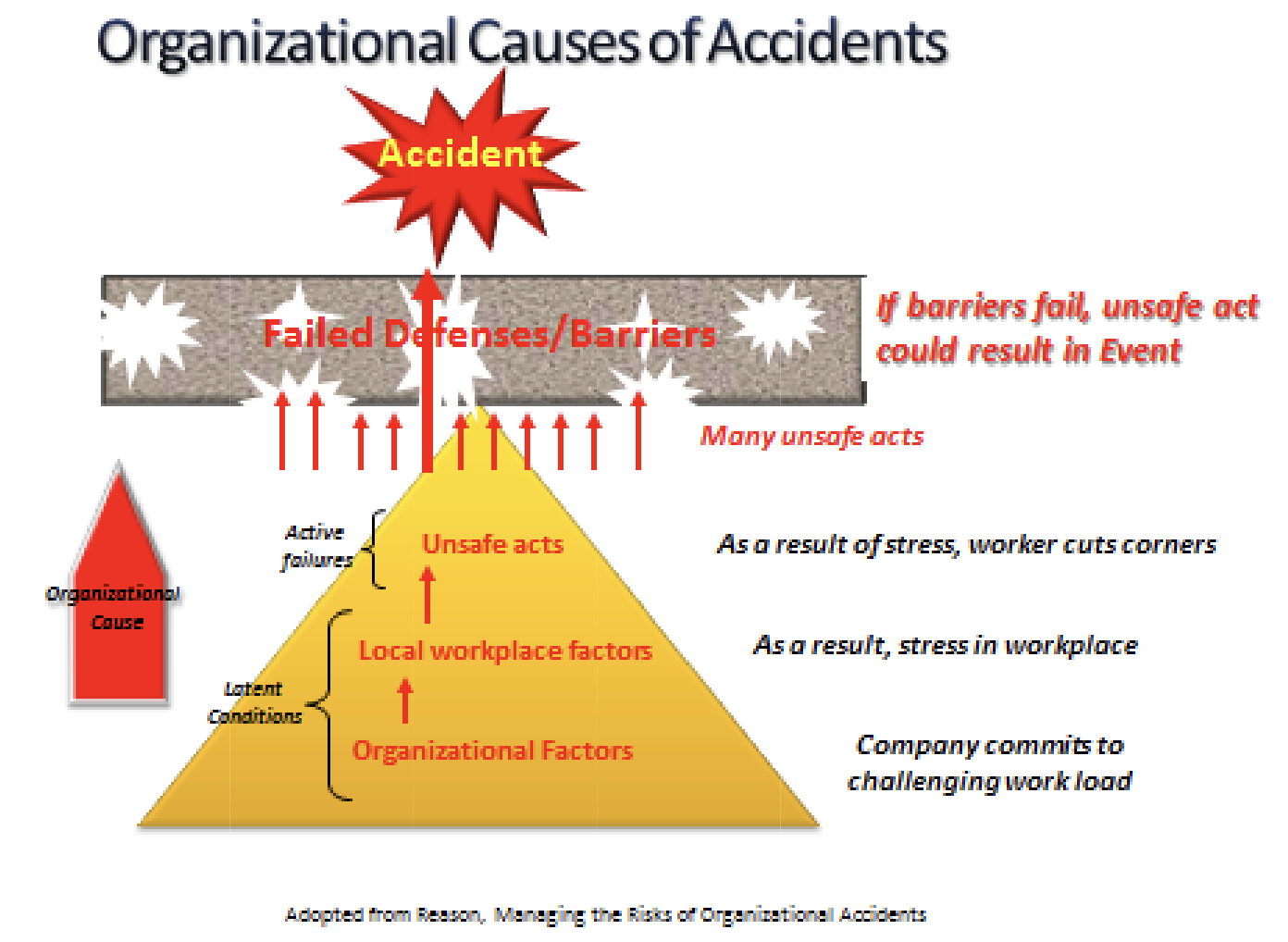
Leadership should demonstrate a commitment to safety within their organization by setting a clear tone from the top, promoting the vision for safety, and by:
- Taking OVERALL RESPONSIBILITY AND ACCOUNTABILITY for the prevention of work-related injury and ill health, as well as the provision of safe and healthy workplaces and activities;
- making sure that they are VISIBLE ACROSS THEIR ORGANIZATION and by prioritizing safety alongside other strategic objectives;
- COMMUNICATING THE IMPORTANCE OF EFFECTIVE SAFETY MANAGEMENT and of conforming to the SMS Framework and the organization’s SMS requirements using a range of communication methods;
- REGULARLY REVIEWING SAFETY PERFORMANCE AT LEADERSHIP MEETINGS and bidding for the necessary finance and resources to maintain a safe workplace;
- DEVELOPING, LEADING, AND PROMOTING A CULTURE IN THE ORGANIZATION which supports the intended outcomes of the SMS Framework and the organization’s SMS;
- ensuring the organization ESTABLISHES AND IMPLEMENTS PROCESSES FOR CONTINUOUS ENGAGEMENT VIA CONSULTATION, TRAINING, AND PARTICIPATION of the workforce and other stakeholders;
- encouraging the workforce and stakeholders to IDENTIFY AREAS FOR IMPROVEMENT, LEADING TO CONTINUAL IMPROVEMENT IN RISK MANAGEMENT through collaboration and innovation;
- PROMOTING THE OPEN AND TRANSPARENT REPORTING OF OCCURRENCES, HAZARDS, RISKS, AND OPPORTUNITIES; and
- DRIVING CONTINUOUS IMPROVEMENT OF SAFETY PERFORMANCE MANAGEMENT and effective oversight of action plans.
Source: JSP 815 Defense Safety Management System (SMS) Framework