A seatbelt is a tool for safety. It is designed, constructed, installed, and at the ready for use. Its cost, availability, and ease of proper use may be the greatest safety invention of our generation.
But it’s a tool that requires the human to have the desire to use it. It provides ZERO benefit if it goes unused.
So, like any safety tool, we have to lead an effort in creating an environment where our coworkers WANT to use the safety tools provided by the company. As the safety leader, we need to understand that workers want comfort, options in size, type/style, etc.
NOTE: I am NOT saying we are responsible for the culture of an organization, nor is our role that of safety enforcement. We need to lead/coach management in creating a culture around safety that they wish to obtain
We have to be conscious of the barriers as to why workers do not use our safety tools; we have to be mindful that workers are using the tool(s) but doing it improperly. We do this with audits/safety contacts/inspections/observations, etc. Some FORMAL means that it is managed and appropriately measured and done ROUTINELY.
But let’s not fool ourselves, it ALL STARTS WITH GREAT TRAINING.
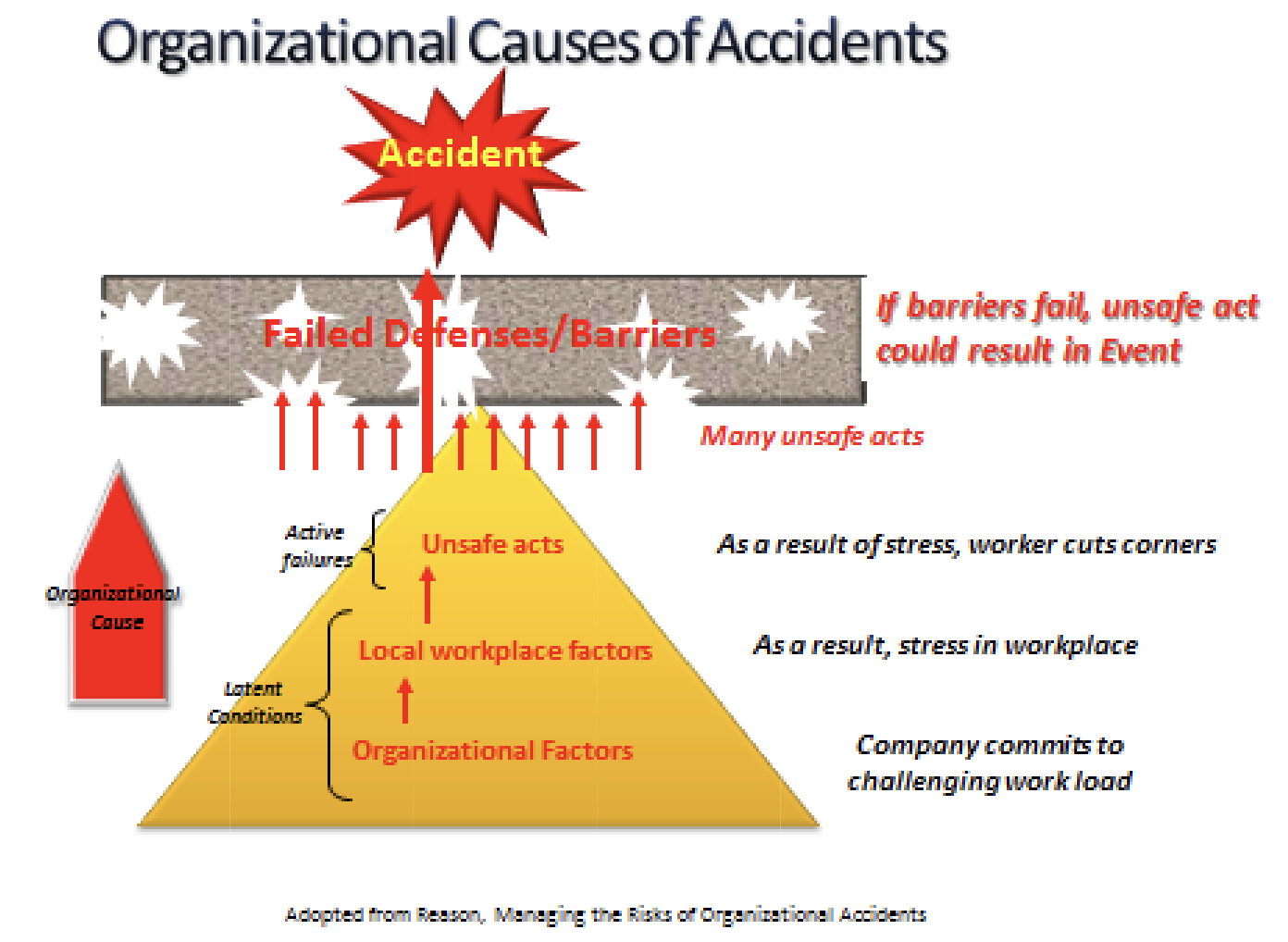
We can write programs, procedures, and permits requiring the use of these tools and even hold people accountable when they do not use them; however, this accountability piece is actually a necessary element, but not one that sways other people to change their behaviors. I am a big proponent of holding adults accountable for blatant violations of established safety. However, I can’t recall a single instance where someone was reprimanded for failing to use a safety control, especially when there were no direct influences that led the worker to disregard the prescribed requirement. These range from “failure to recognize” to “failure to have the tool available”. Rarely have I seen an “exceptional violation” (Reason’s HF model); the vast majority of events were influenced by those powerful and hidden forces some call “culture”.
By this I mean, most of the “exceptional violations” early in my career turned out to be either “routine” (e.g. everyone broke the rule just about everytime) or “situational” (e.g. the worker broke the rule because the right tool was not available to them and the needed to “git’r done”, putting the company’s expediency before their safety).
Creating a culture where workers want to use the tool(s) even in extreme temperatures, such as 100 degrees or 0 degrees, requires a lot of consistent effort over many years. We have to identify and overcome those routine and situational violations, and that means we have to ACKNOWLEDGE they exist and then identify them (alongside those who perform the work). Once we have identified these opportunities, ASK the workers what can be done to make it easier/more comfortable to use the safety tools needed for the task.
These exercises DEMONSTRATE that we want to make safety easier/better for those it is in place to protect. We want them to be part of the solutions, not “the problems”. Asking for their participation and input into their safety is PARAMOUNT in building trust and credibility in the safety process. And I can assure anyone who questions this approach to managing real safety, you will be blown away as to the positive changes this approach will bring about.