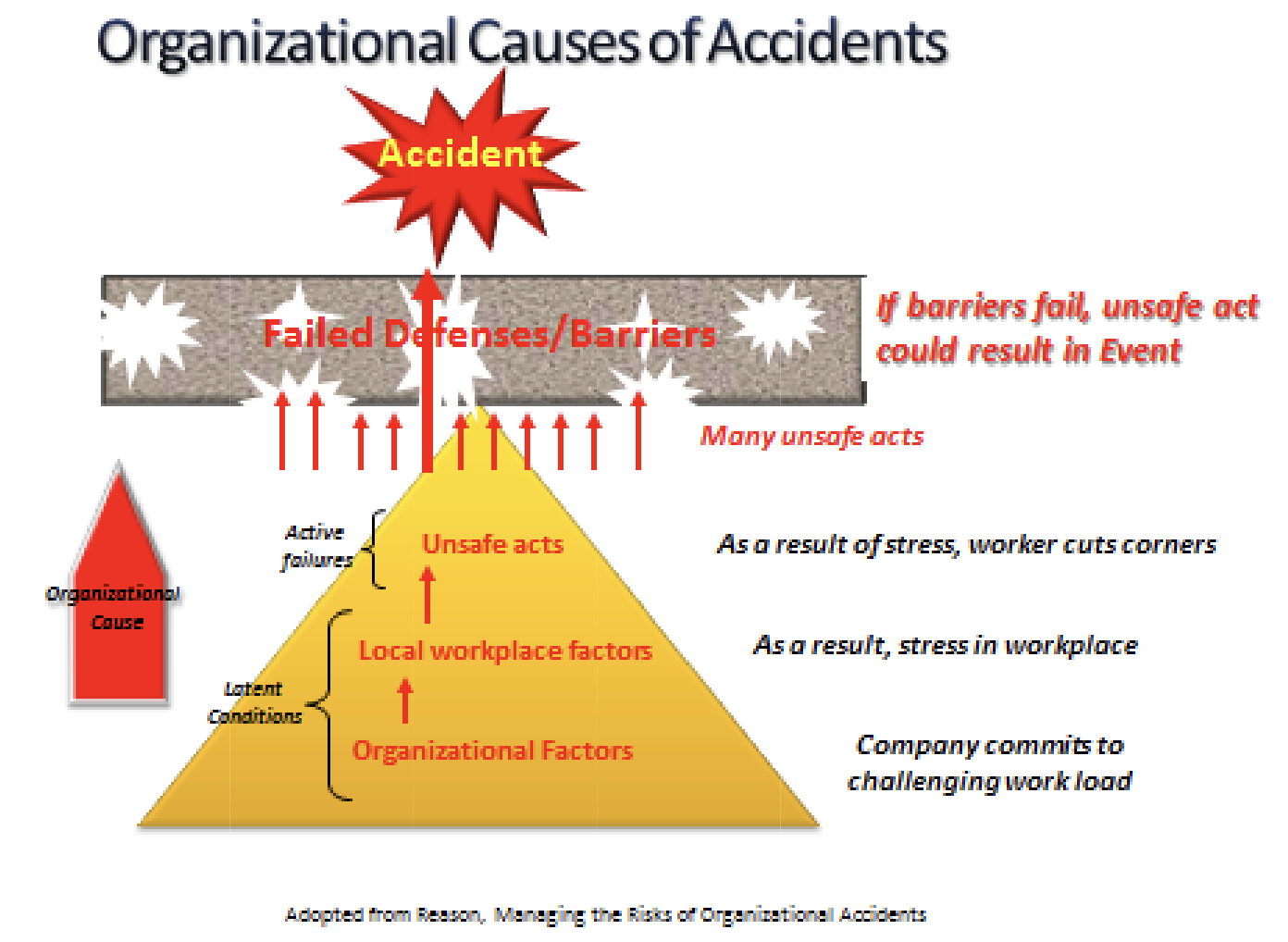
Kurt Lewin’s Behavioral Theory from the 1940’s can be summarized as B = f(P, E). This means that Behavior is a function (f) of:
1) the person (P) (i.e., their internal traits, history) and
2) their environment (E) (i.e., physical, social, and psychological)
This means unsafe acts should NOT be blamed solely on the individual; they are highly influenced by environmental and psychological factors. His framework for understanding behaviors in relation to safety relies on two (2) core theories that explain how individuals and groups interact in dangerous or high-risk situations.
Lewin’s Field Theory suggests that everything influencing a person at any given moment creates their “life space”. In a safety context:
The Person (P): The worker’s physical capacity, risk-taking habits, knowledge, and current psychological state (e.g., fatigue, stress).
The Environment (E): Physical hazards, equipment design, social pressure, and management expectations.
Changing a worker’s habits (retraining) is rarely effective if the physical or social environment remains flawed. True safety requires designing environments that naturally encourage safe habits.
Force Field Theory
Any given situation remains in balance (equilibrium) due to two (2) opposing forces:
1) Driving Forces:  Factors that push toward change (e.g., safety incentive programs, clear protocols, hazard awareness).
2) Restraining Forces:  Factors that resist change or maintain the status quo (e.g., cutting corners to meet production goals, peer pressure, cumbersome safety gear).
To promote long-term safety behavior, management MUST REDUCE restraining forces (e.g., remove production pressure) rather than merely increase driving forces, which can lead to stress or burnout.
To establish a functional safety culture, Lewin proposed a three (3) stage change model:
1) Unfreezing: Dismantling the status quo by convincing the team that current unsafe behaviors or complacency are unsustainable.
2) Moving (Changing): Implementing new safety protocols, introducing new tools, and empowering workers to establish safe routines.
3) Refreezing: Stabilizing the new behaviors so they become the organizational norm and are safe from regression.