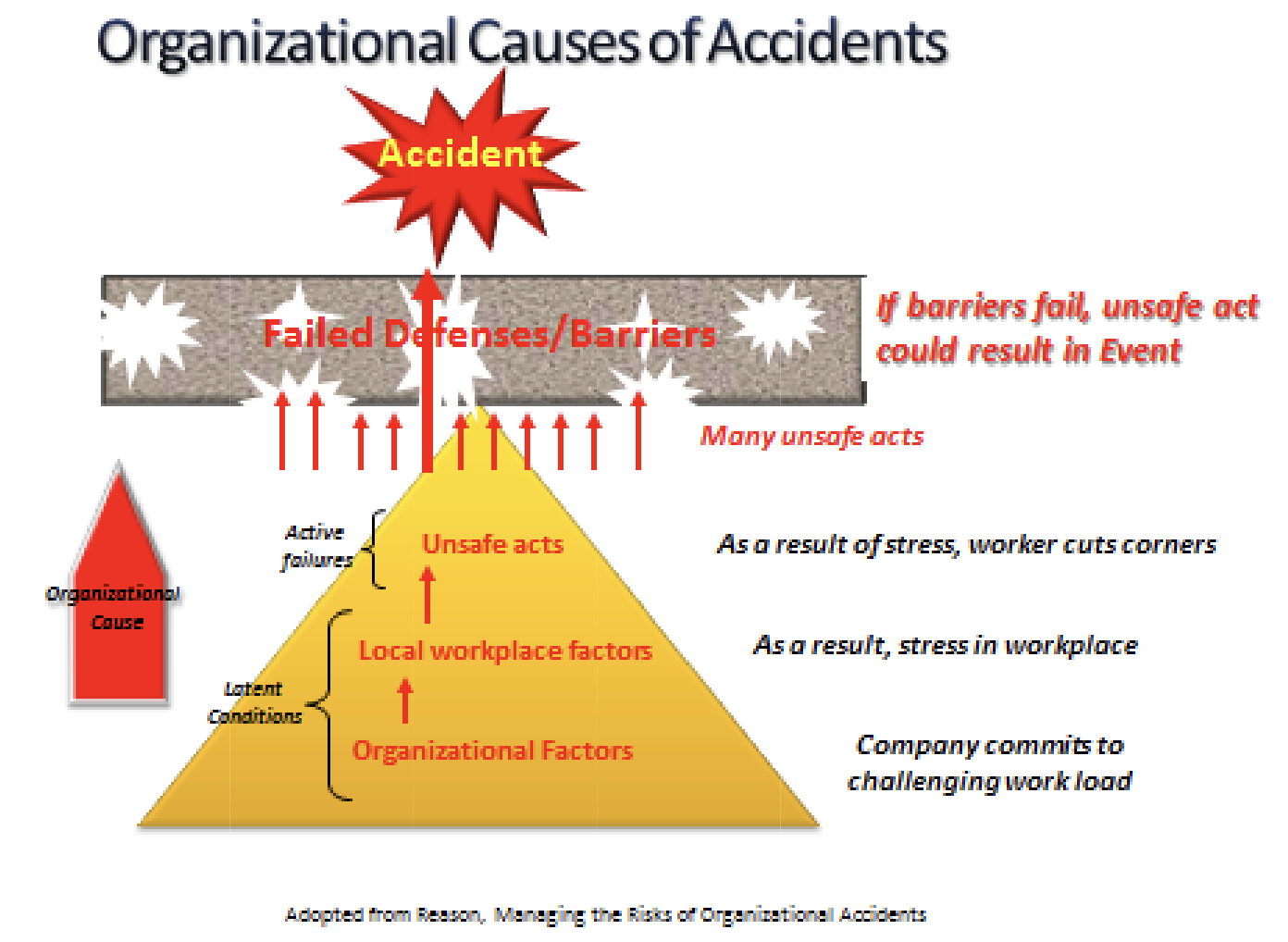
In 2001, Dr. Patrick Hudson, Centre for Safety Science – The Netherlands published a paper on safety cultures. His work has stood the test of time, as many authors today still reference his 2001 research paper. In his paper, he explains there are five (5) different types of safety cultures and explains a number of characteristics that go to make up such a safety culture. These are:

- an INFORMED CULTURE – one in which those who manage and operate the system have current knowledge about the human, technical, organizational and environmental factors that determine the safety of the system as a whole,
- a REPORTING CULTURE – a culture in which people are willing to report errors and near misses,
- a JUST CULTURE – a culture of “no blame” where an atmosphere of trust is present and people are encouraged or even rewarded for providing essential safety-related information- but where there is also a clear line between acceptable and unacceptable behavior and,
- a FLEXIBLE CULTURE which can take different forms but is characterized as shifting from the conventional hierarchical model to a flatter professional structure.
- a LEARNING CULTURE – the willingness and the competence to draw the right conclusions from its safety information system, and the will to implement major reforms when the need is indicated.
Here is a link to his full paper. You may have to pay for it if you are not a research member, but it is worth the $ and your time to read if you are looking to better understand safety cultures and what drives them.
https://www.researchgate.net/publication/235050886_Safety_Culture_-_Theory_and_Practice