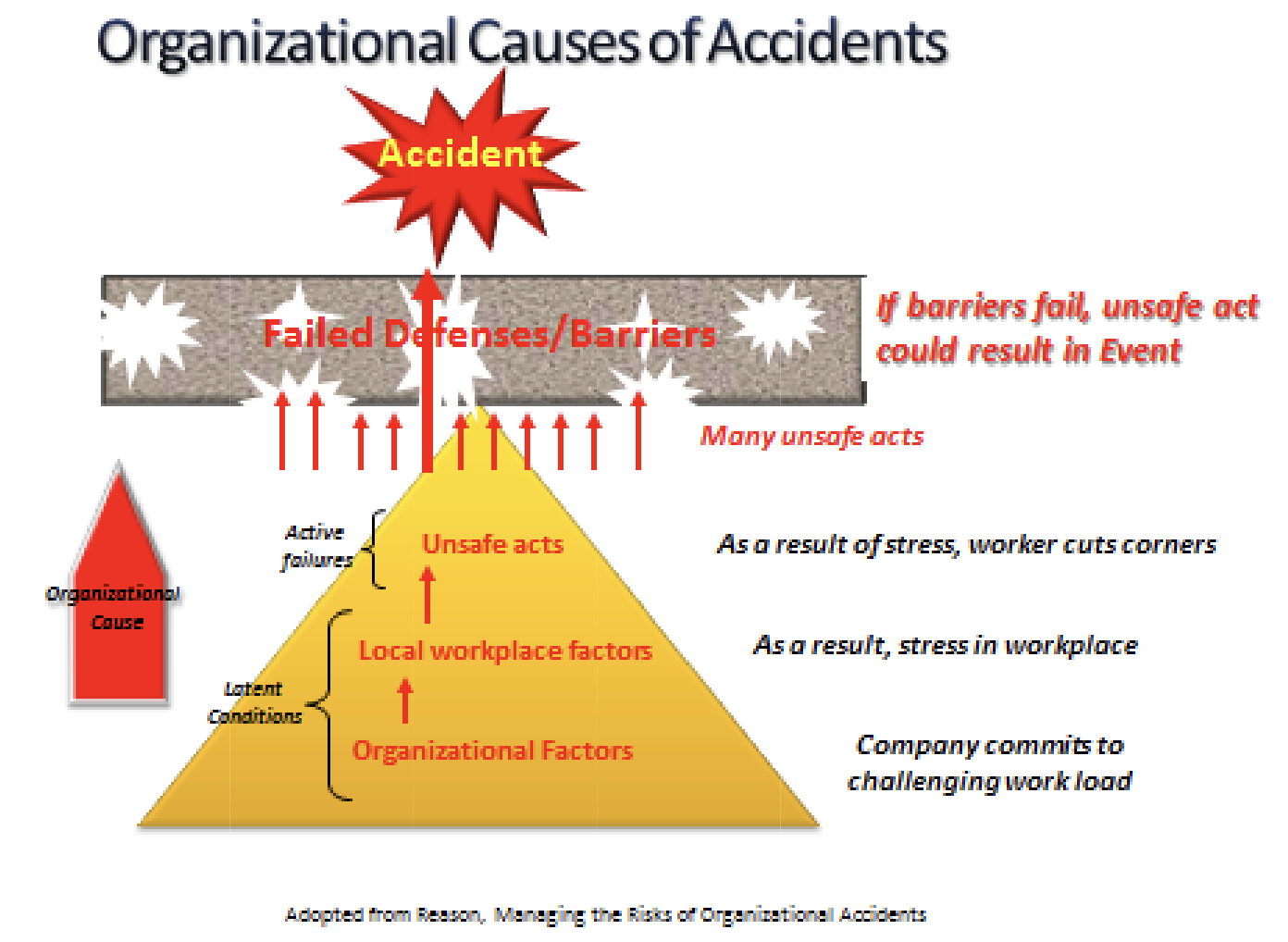
The establishment of a positive culture of safety within an organization is dependent on the following:
MANAGEMENT COMMITMENT: This commitment produces higher levels of motivation and concern for safety throughout the organization. It is indicated by the proportion of resources (time, money, people) and support allocated to safety management and by the status of safety versus delivery/output, cost, etc. The active involvement of senior management in the safety system is vital.
VISIBLE MANAGEMENT: Senior managers and leaders must be seen to lead by example regarding safety. Good leaders appear regularly on the ‘shop floor’, talk about safety and visibly demonstrate their commitment through their actions. Leaders must be seen as committed to safety through their words and actions.
GOOD COMMUNICATION BETWEEN ALL LEVELS OF PERSONNEL: In a positive culture, questions about safety should be part of everyday work conversations. Leaders should not only ask but listen actively to what they are being told by personnel about safety and take what they hear seriously. Active personnel participation in safety is important to build ownership of safety at all levels and exploit personnel’s unique knowledge of their work. This can include active involvement in workshops, risk assessments, plant design, etc. In organizations with a good safety culture, personnel and leaders will be consistent, and safety is seen as a joint exercise to help change things for the better.
EFFECTIVE DECISION MAKING: Safety must be fully embedded within all aspects of an organization’s evidence-based decision-making processes to ensure that the safety impact of any decisions is considered and understood.