It is a standard error made in Behavior Based Safety Processes (BBSP)… we celebrate the % Safe while the real value lies in the % Unsafe. I am all for celebrating the successes once they have been validated as real; however, to get the potential value from our BBSP, we need to utilize the unsafe behaviors to create a LEARNING CULTURE within our organizations. Even when the unsafe percentage is 3%, there is a TON OF OPPORTUNITY to intervene in those behaviors, but first, we have to recognize this opportunity. I have written a lot about “causal analysis” as it relates to our incident investigations. Still, those causal analysis tools can be used in many other ways, such as formally analyzing our “unsafe acts”.
We need to understand what is driving these unsafe acts. And most importantly, just like we need to validate our % safe, we need to validate our % unsafe before we begin our analysis. Nothing is more frustrating than spending time working with bad data! But once we have validated our data, we begin to look for trends in our UNSAFE behaviors. Once we have identified trends, we must understand WHY that behavior trend(s) is occurring. Remember, the behaviors are a reflection of what the problem most likely is. People behave for a reason – we need to understand the reason(s) behind these unsafe behaviors.
You may be surprised to learn that although the behaviors are widespread, they all come back to a few but very similar management failures. Of course, we will have the renegades who act alone and just throw all caution to the wind, but those are usually very limited in scope. Using our causal analysis tools, we can cut through all the personal biases shown by management in their attempt to defend and deflect their involvement in these behaviors in their areas of responsibility.
In my 30 years, I have come to believe that the men and women who do the dangerous work AND the managers and supervisors overseeing them play EQUAL roles in the % unsafe behaviors. In some cases, the workers have just decided that X and Y are a waste of time, and thus we can do our tasks without them, and they hide these deviations the best they can. But even in these situations, I believe it is the role of management to aggressively seek out these deviations and intervene before a negative consequence occurs. A well-managed BBSP can be this tool, and these behaviors will show up in the % Unsafe. We must appreciate the % Unsafe as a golden opportunity to reduce injuries.
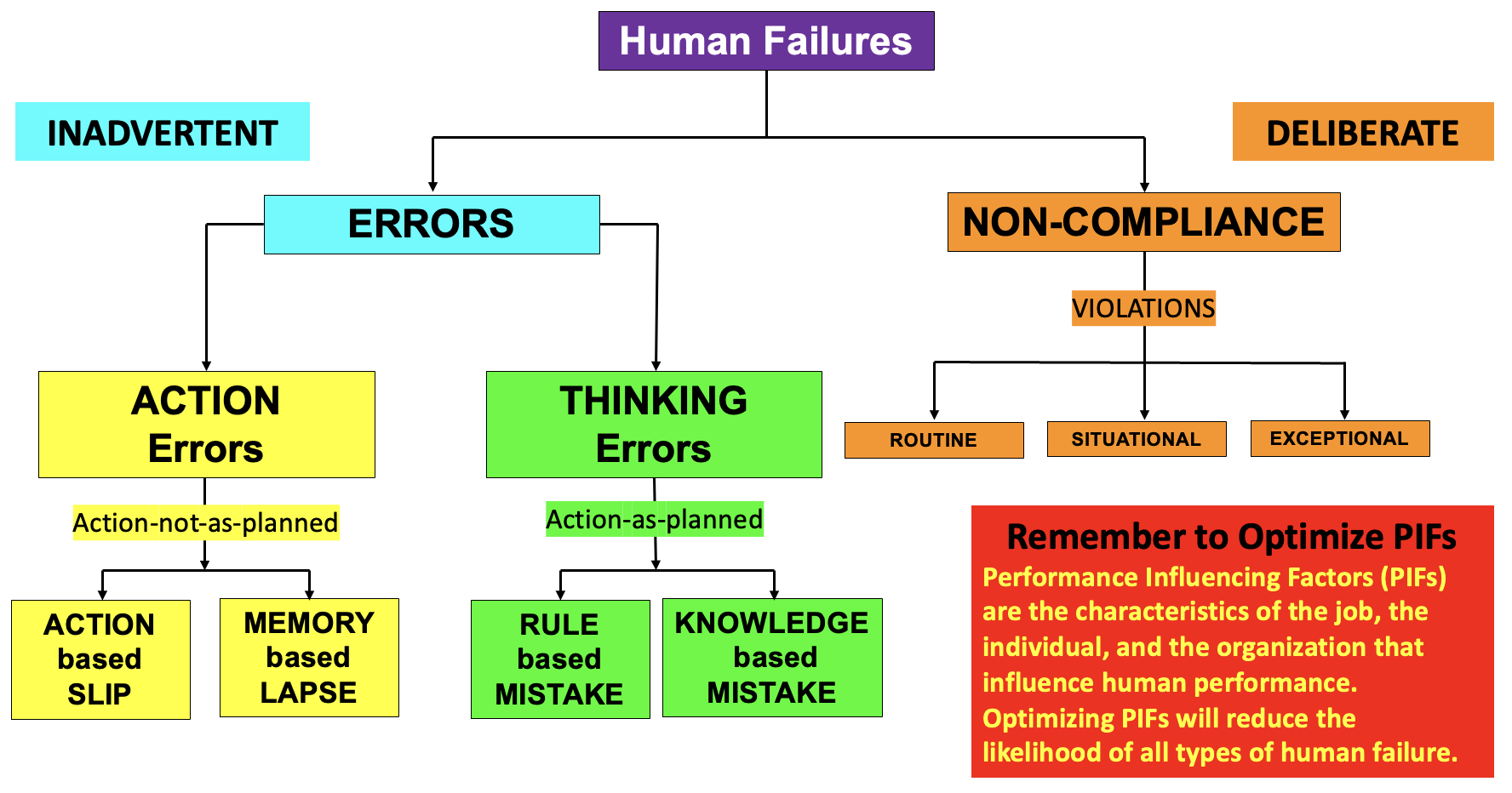
This is where I am a fan of using James Reasons Human Failure Model (shown below) in helping management understand how these unsafe behaviors begin and take root in everyday activities. Since so many managers immediately go to “their breaking rules,” and thus they want to hold the workers “accountable” for these behaviors – never realizing that these “Violations” fit into three (3) categories:
- Routine
- Situational
- Exceptional
All three (3) are deliberate acts against established norms/procedures. But as we have discussed many times, most of these acts will fall into ROUTINE and SITUATIONAL violations, and these are direct reflections of management’s level of involvement in safety.
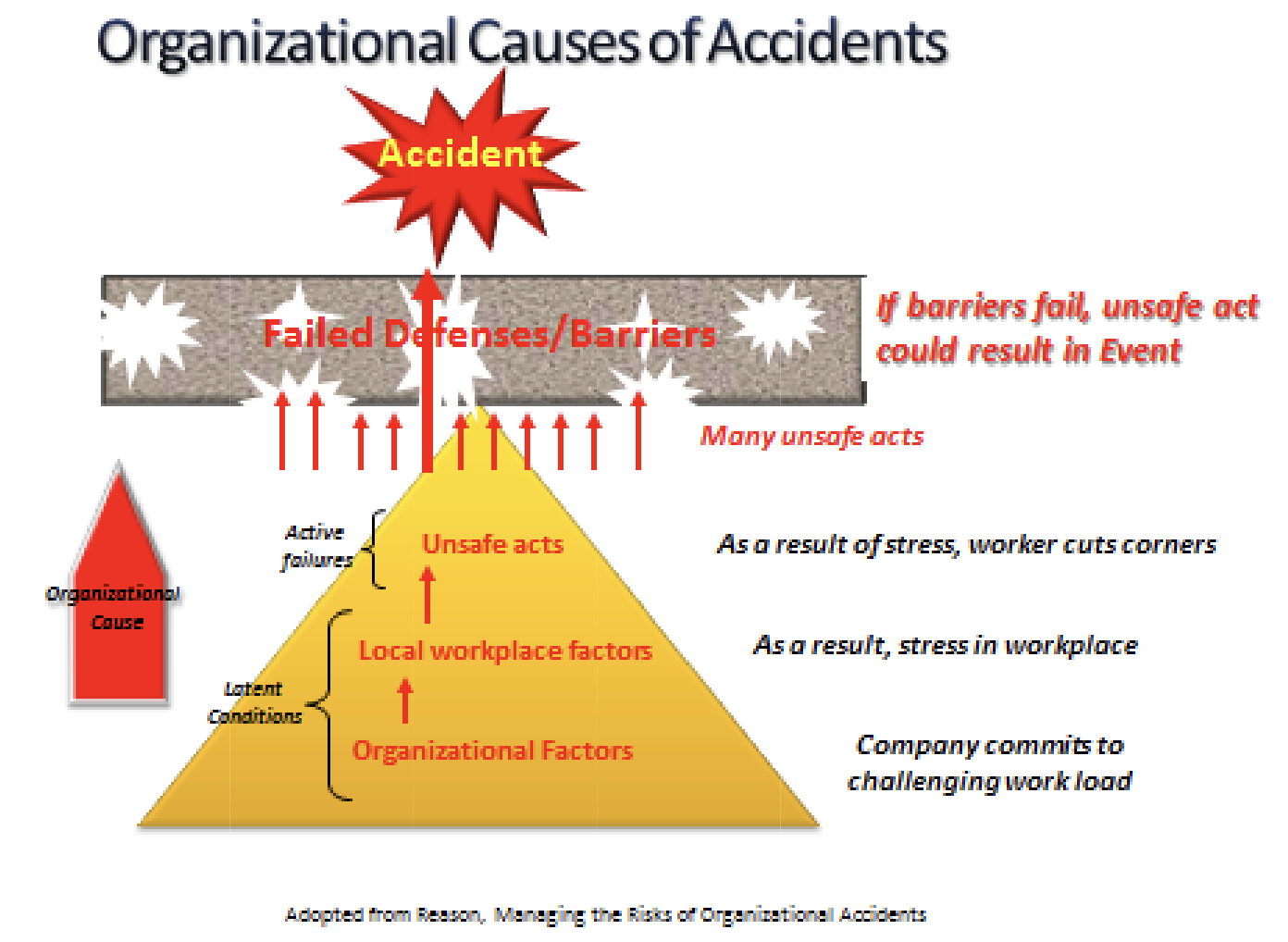
Routine violations are those that nearly everyone in the working group knows take place. They have become so common that “observers” within the working group may even fail to identify them in their observations. These typically have become “routine” because they bring about positive rewards without any negative consequences… until that day when they result in a negative consequence (e.g., an injury or property damage, most likely). This event usually will place focus on the ACTIVE failures and not the LATENT ORGANIZATIONAL failures – even though everyone would admit they too had been committing this “violation” so often that it had become “habit” (e.g., no longer realizing they were behaving unsafely).
Situational violations are the next most abundant type of unsafe behavior. These behaviors are almost always traceable back to a management system failure. This behavior occurs when workers are put into a situation where they knowingly deviate from procedures/rules/norms to complete a task. Lack of adequate/required staffing, tools/equipment, yet they are expected to get the same results. So to meet this demand, they will knowingly, and oftentimes with managements blessings, violate rules/procedures based on their current situation. When this is done, and it is done repeatedly with success, this can lead to management seeking to change the rules/procedures based on their assessment that it is safe to “officially” do X in this manner. They are using the lack of a consequence to define safety! But it is a common fallout from “situational violations.” In an immature SMS, management will admit to their violations and use the lack of consequences as evidence that changes can be made.
Exceptional violations are those rogue workers who, on their own, decide that the rules do not apply to them and behave in the manner they believe to be “safe.” This is rare, as most violations will fall into either situational or routine. And because of this, the key to improving these behaviors lies with MANAGEMENT.