
Leadership’s role in Safety Management System

Leadership and culture are two sides of the same coin; neither can be realized without the other.  Leaders create and manage the culture in their organizations by maintaining safety as a VALUE, communicating their safety expectations to the workers, setting the standard for safety through actions, not talk (walk the talk), and leading needed change by:

  • defining the current state,
  • establishing a vision,
  • developing a plan, and
  • implementing the plan effectively

Leaders:
  • CULTIVATE TRUST to engender ACTIVE PARTICIPATION in safety and to establish feedback on the effectiveness of their organization’s safety efforts. 
  • ensure plans integrate safety into ALL ASPECTS OF AN ORGANIZATION’S ACTIVITIES considering the consequences of operational decisions for the entire life-cycle of operations and the safety impact on business processes, the organization, the public, and the environment.
  • understand their business and ensure the systems employed provide the requisite safety by identifying and minimizing hazards, proving the activity is safe, and not assuming it is safe before operations commence.
  • consider safety implications in the change management processes.
  • model, coach, mentor, and reinforce their expectations and behaviors to improve safe business performance.
  • value employee involvement, encourage individual questioning attitude, and instill trust to encourage raising issues without fear of retribution.
  • assure employees are trained, experienced and have the resources, the time, and the tools to complete their job safely.
  • hold personnel accountable for meeting standards and expectations to fulfill safety responsibilities.
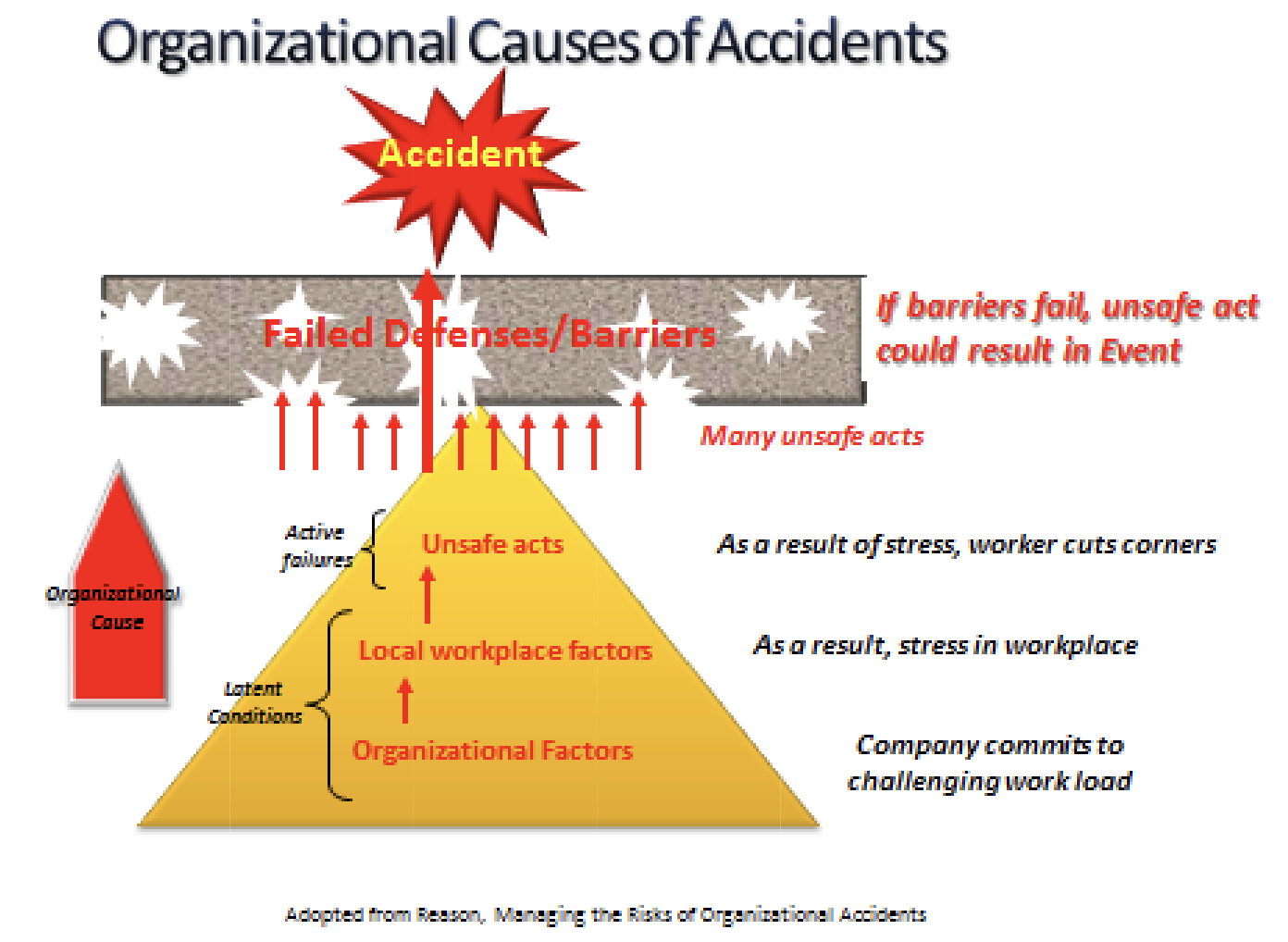
  • insist on conservative decision making with respect to the proven safety system and recognize that production goals, if not properly considered and clearly communicated, can send mixed signals on the importance of safety.
  • recognize that humans make mistakes and take actions to mitigate this.
  • develop healthy, collaborative relationships within their organization and between their organization and regulators, suppliers, customers, and contractors.
Scroll to Top