Leading indicators can become a numbers game

I am a huge proponent of building a safety process, formally called a Safety Management System, that establishes some critical indicators of how well the process functions.  This is done in the same spirit as how a business measures its production, quality, costs, etc.  But as we all know, anything that gets measured WITHOUT VALIDATION can be manipulated.  Even “leading indicators” can become a numbers game, hence the CRITICAL role of our QA/QC function and the data validation we do within this element of the SMS.  There is a fine line we must walk between the quantity of activity and the quality of those activities.  And unfortunately, this fine line is like walking a tightrope that is very loose and has many twists and turns along the way; hence the crucial role of validating the numbers and quality.

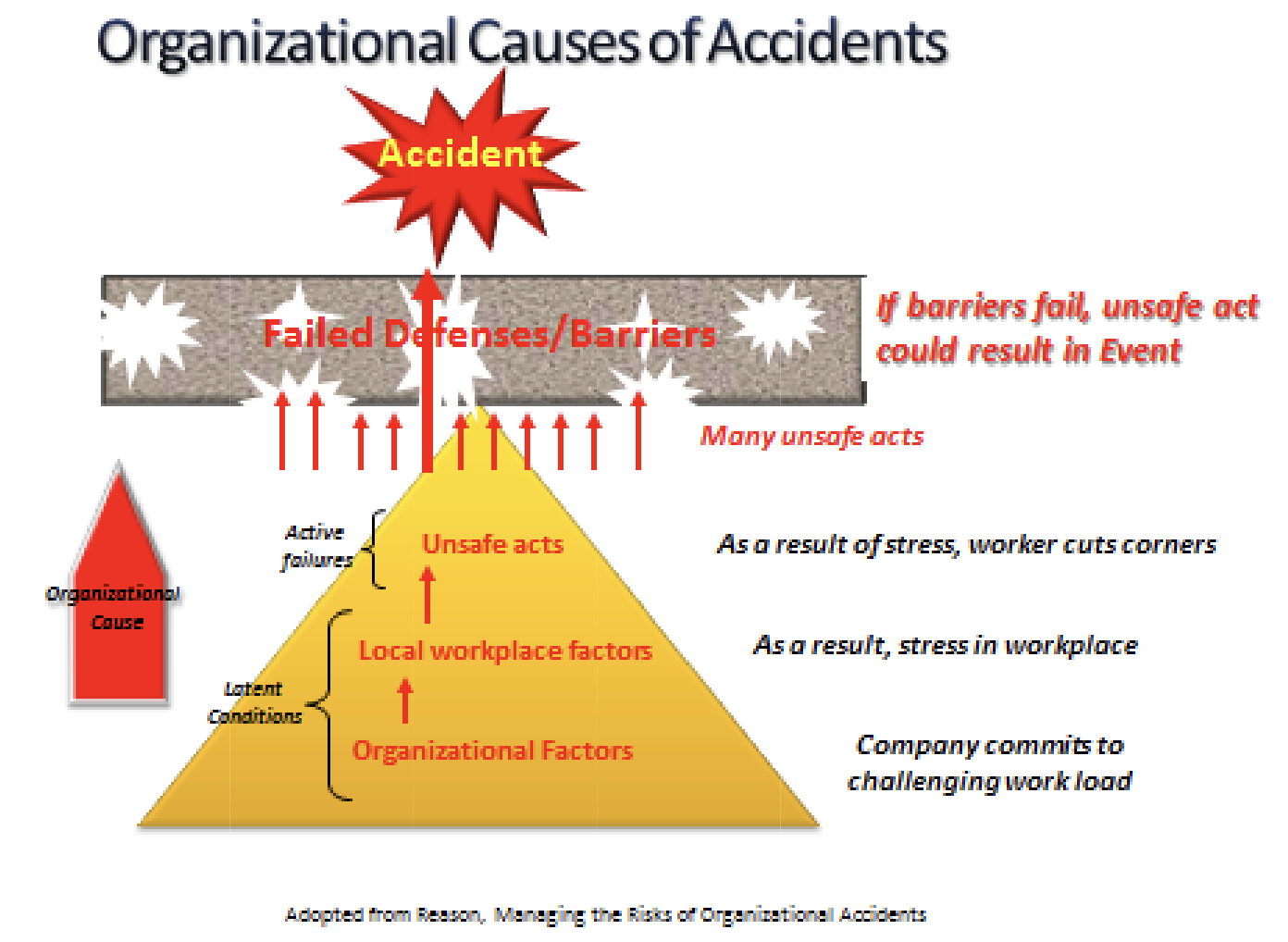
If we simply state “Managers must do X number of Y activities; there is a chance that we will get the X; but is the activity accomplishing what we set out for it to?  I have experienced a lot of pencil whipping in my days when implementing by “safety process/SMS” and unfortunately, it took me years to understand the critical role of data validation. 

I also learned that in the early days of implementing this process, we should never set monthly goals; rather they should be weekly or at the longest, every other week.  We want these activities to become a “way of doing business” so we want the activities to be 5/week –  not 20/month.  Trust me, set the goal for the month and monitor the activities weekly and you will understand what I am talking about.  I have seen 1,000 BBS observations be done in 2 days (the last two days of the month) when there were not enough employees/contractors to mathematically happen!  But we got our 1,000 observations done!!!!

The magic to this safety process/SMS metrics is to give and take to find the balance between quantity and quality for each element.  And as time goes by and things happen (accidents, new managers, new risks identified, etc.) these metrics will ebb and flow to meet the needs of the facility.  Just realize that if we think for a second that managers and supervisors have all this free time and we are going to load them up with new safety activities and all will go as planned – we have a rude awakening ahead.  We need to ensure that the activities and time spent doing them will have lasting and meaningful impacts on:

  1. performance
  2. culture, and
  3. the SMS/Process

Yes we need activities and we need to measure the frequency and the quality, but most important is that we have these men and women spending their time on things that will make a difference.  Oftentimes, this means there is a trade-off on what used to be done in the name of safety for these new activities.  This implies that we may need to offer some training on these new activities to ensure this group has the skills and knowledge to properly execute these new activities and management may have to pony up some new tools for this group to best manage their time.

With all this said, NEVER lose sight that leading indicators can become a numbers game just like chasing injury rates has become.  Just because we change the target, don’t think for a second that the data we are receiving is any more valid than what we were measuring in terms of injury rates.  At least not until we have validated the numbers and the quality of the activities.

Scroll to Top