Learning Opportunity vs Discipline

There’s a massive difference that may require massively different approaches in how we respond to failures in administrative controls such as LOTO.

Scenario #1: a worker with less than a year of experience, is tasked with isolating a PRCS that has 29 isolation points. It was his first time to do this isolation and was asked to “step up” by his supervisor since they were “short-handed” and dealing with a continuing upset process. He missed one (1) of the 29 isolation points and this energy source was NOT shown on the out-of-date P&ID he was provided for the task. The pre-entry atm monitoring identifies an oxygen-deficient atmosphere The missed energy source was a N2 purge line.

Versus

Scenario #2: a worker with more than 10 years of experience, is tasked with clearing a jam on a machine. The Lockout procedure identifies two (2) energy sources for this task. Two (2) locks are provided at the machine for use. The worker locks out only the electrical and receives a partial amputation of a finger (tip).

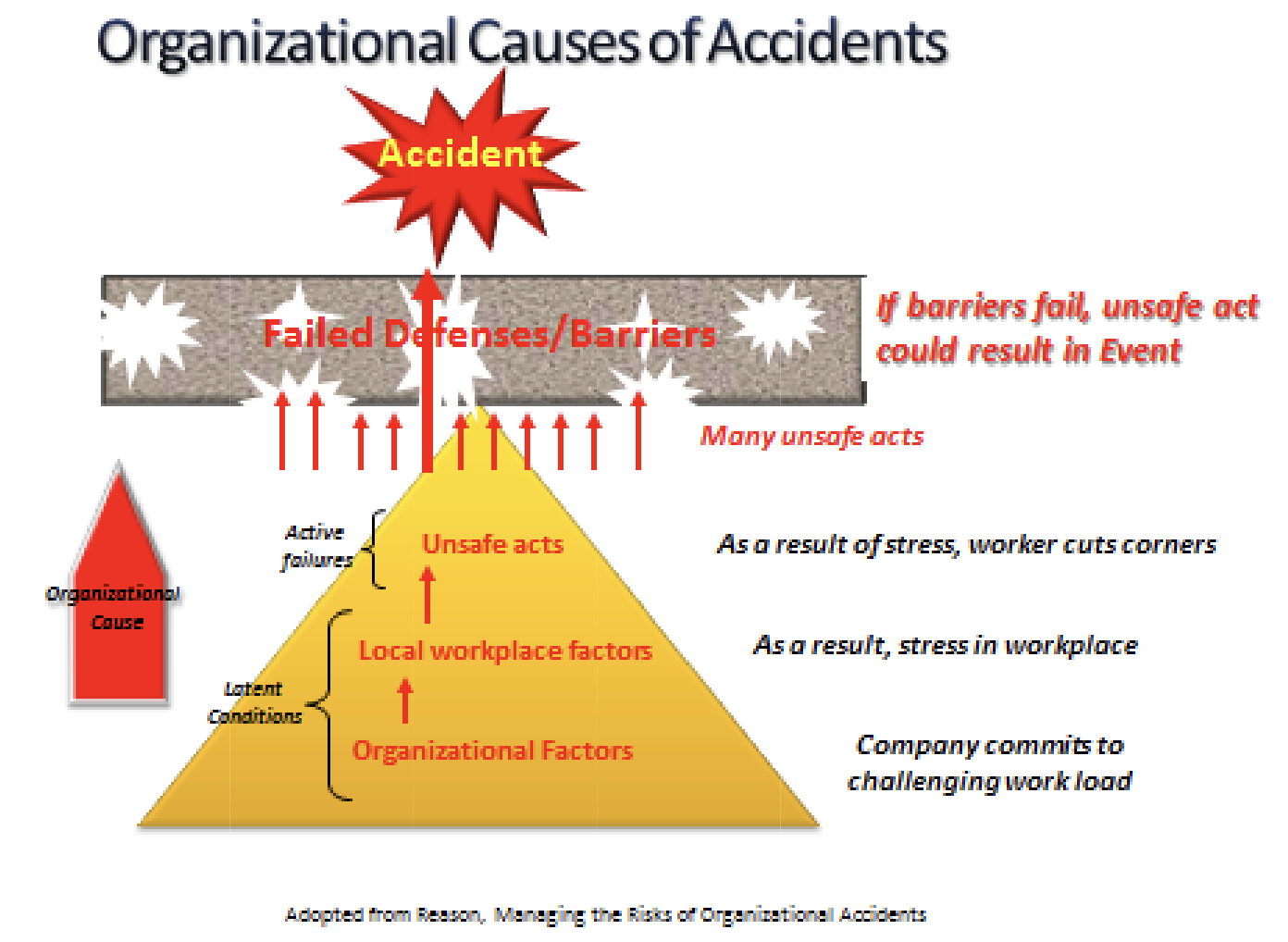
One is a “mistake” with plenty of Organizational failures and One is a “violation” that could be a “routine, situational, or exceptional”.

Do you recommend discipline in either event?

Which one and what would be the chain of events that would push you to suggest discipline for the event?

What if you knew the amputation event was a “routine violation” witnessed by video footage of the machine over weeks of time Would this change your view of the injured worker’s actions? Would you go back in time and issue the same discipline to those who violated LOTO but received no injury?

Do we take the LEARNING OPPORTUNITY approach or the disciplinary approach in both or which one? Why

Scroll to Top