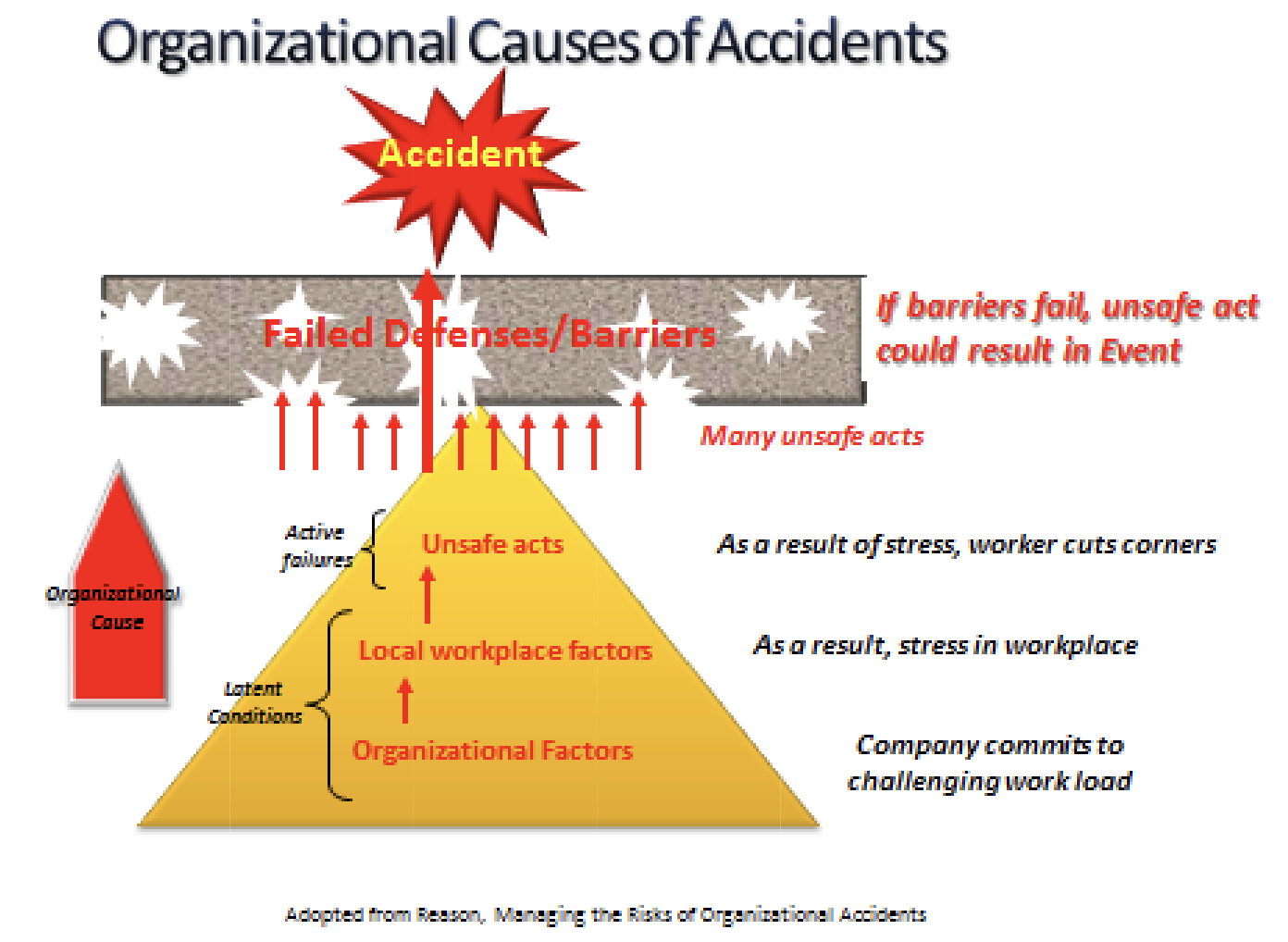
We cannot eliminate risk. It’s a consequence of the uncertainty in our situations and the world around us. It’s essential to think about how we can mitigate risks in the workplace. Also, consider the tools we can provide to make our colleagues more aware of risk in themselves and others. Risk assessments are a useful way of identifying and mitigating risks in the workplace. There are six (6) steps to conducting a practical risk assessment:
- Identify Hazards – anything that has the potential to cause harm is a hazard.
- Identify Risk – A risk is the likelihood that a hazard (something that can cause a harmful effect) will occur.
- Assess the Level of Risk – decide who might be harmed, how serious it might be, and how likely the event will happen.
- Mitigate the Risk – see if you can remove the hazard altogether or put in place controls to minimize the impact or the likelihood of something going wrong.
- Record and Communicate – it may be necessary to record your process in a formal risk assessment or at least to make sure others are aware.
- Review – make sure you review the risk assessment at regular periods to ensure that the assessment is still relevant.
Risk assessments can be formal and informal. Formal risk assessments are documented and often completed as part of workplace procedures. Informal risk assessments are held in our daily lives as we mentally weigh up the risks of our actions. They can be affected by the individual factors. You can reduce risk normalization by ensuring the same person is not always completing the risk assessment.
Risk normalization means becoming used to seeing high-risk situations without realizing the possible consequences of risky behavior. One way to avoid complacency is to arrange for training in the human perception of risk for yourself and your seafarer colleagues. If we’re introducing new equipment, consider how it will affect risk awareness and manage this appropriately.
The hierarchy of risk control is a framework that is used to minimize exposure to hazards. Controlling risks and reducing hazards is a safety-critical responsibility, and while this is the focus of those working in roles that affect the delivery and culture of shipboard operations, all need to implement this framework.
Hierarchy of Controls
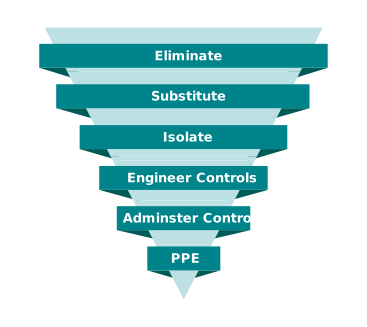
1. Eliminate – Remove the cause of the danger.
2. Substitute – Replace the hazardous work practice or machine with an alternative.
3. Isolate – Separate the hazard from those at risk of injury.
4. Engineer controls – Make physical changes, such as adding safeguards by redesigning the machine.
5. Administer controls – For instance, install signs or rotate jobs.
6. PPE – Provide relevant personal protection equipment such as gloves or earplugs.
When a situation occurs, a worker may not have the time to consider all factors that affect decision-making before planning a course of action. Decision-making models such as TDODAR, which stands for
Time,
Diagnose,
Options,
Decide,
Act or Assign,
Review
provide a step-by-step process that you can use to help make decisions even in high-stress situations.
TDODAR is commonly used in the aviation industry, but many decision-making models serve different purposes. It’s crucial to find one that a worker can remember and that works for them.
The TDODAR decision-making model
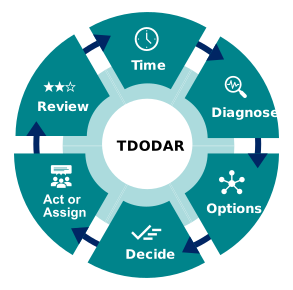
1. Time – Work out how much time you have to make a decision and keep this in mind as you go through the next steps.
2. Diagnose – Diagnose the problem: figure out what is happening by collecting information from a range of sources including relevant experts.
3. Options – Using all the information you have collected so far, make a decision. What option would have the best outcome? Would it solve the problem?
4. Decide – Using all the information you have collected so far, make a decision. What option would have the best outcome? Would it solve the problem?
5. Act or assign – Decide who should act on the decision and assign roles if necessary.
6. Review – Think about how effective your actions and decisions were in solving the problem. Has the problem occurred again and if so consider whether your solution was effective.